The True Post (Web News) After the approval of the 27th Constitutional Amendment, the statement of the United Nations Human Rights Office once again raised this question.
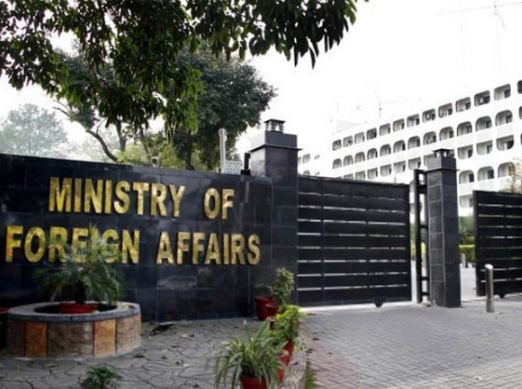
How cautious are international organizations in expressing their opinions on the internal affairs of a country? Pakistan has rejected this statement, saying that it is baseless, politically biased and contrary to facts. The strong stance of the Foreign Office has not only clarified Pakistan’s constitutional sovereignty but also made it clear that democratic demands and the right to legislate are vested only in elected representatives.
The fact is that the Parliament of Pakistan passed the 27th Amendment with a two-thirds majority, which was a regular and transparent democratic process as per the constitutional procedure. In such a situation, if any international organization raises objections to this process, it is not only tantamount to challenging the sanctity of the Parliament but also creates the impression of interfering in Pakistan’s sovereignty.
Pakistan’s position is absolutely right that every sovereign state has full authority to legislate in the light of its constitution**. The role of international forums like the United Nations is undoubtedly important, but it is the responsibility of these organizations to examine the facts with full seriousness and impartiality. Before making any statement or criticism, it is important to understand the constitutional, political and public process that the country is going through.
The Foreign Office also said that Pakistan is committed to protecting human rights and fundamental freedoms. Pakistan’s constitution and judicial system guarantee civil liberties and history is witness that the country’s institutions have taken several steps to improve human rights. In such a situation, the UN High Commissioner’s statement not only appears to be based on **poor information** but has come at a time when Pakistan is moving towards democratic stability internally.
It is also worth noting that statements by international institutions are considered more effective and serious when they are issued impartially, research-based and taking into account the position of the country concerned. Unilateral comments not only cause anxiety at the diplomatic level, but those institutions themselves also come under criticism.
In the end, it is fair to say that Pakistan, as a responsible state, has fulfilled democratic requirements within its constitutional boundaries**. All international institutions, including the UN High Commissioner, should respect Pakistan’s constitutional decisions and avoid unsubstantiated, biased statements. Mutual respect and realism at the global level are the foundation of better relations and shared goals — and this is the only way forward.
 Ishtiq Ahmed Send an email November 30, 2025