Baasma Wafa | June 27, 2026
The True Post (Web News) Europe is once again facing an intense summer heatwave, with soaring temperatures affecting millions of people across several countries. Meteorologists have warned that this latest spell of extreme heat could become one of the most severe in recent years, placing pressure on healthcare systems, energy grids, agriculture, and emergency services.
From Southern Europe to parts of Central Europe, authorities have issued heat alerts as temperatures continue to climb well above seasonal averages. Cities known for their historic charm are now grappling with scorching conditions that are forcing residents and tourists alike to alter their daily routines.
Rising Temperatures Across the Continent
Countries including Spain, Italy, Greece, Portugal, France, and parts of the Balkans are experiencing unusually high temperatures, with some regions expected to exceed 40°C (104°F). Weather experts attribute the prolonged heat to a persistent high-pressure system trapping hot air over much of the continent.
Increased Wildfire Threat
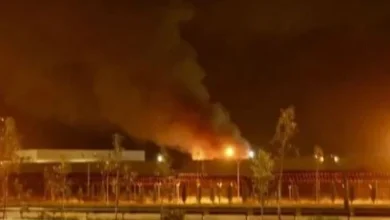
The extreme heat has significantly elevated the risk of wildfires, particularly in Mediterranean countries where dry vegetation and strong winds create dangerous conditions. Firefighters remain on high alert as emergency crews work tirelessly to contain blazes before they spread to populated areas.
Recent years have demonstrated how quickly wildfires can devastate forests, wildlife habitats, and local communities, making prevention efforts more critical than ever.
Pressure on Healthcare Systems
Hospitals across affected regions are reporting an increase in heat-related illnesses such as dehydration, heat exhaustion, and heatstroke. Medical professionals are urging citizens to stay hydrated, avoid strenuous outdoor activities, and regularly check on elderly relatives and neighbours.
Public health agencies are also reminding people that prolonged exposure to high temperatures can worsen existing cardiovascular and respiratory conditions.
Economic Impact
Beyond the immediate health concerns, the heatwave is also affecting Europe’s economy.
Agricultural sectors are facing reduced crop yields due to prolonged drought conditions, while electricity demand continues to rise as households and businesses rely heavily on air conditioning. Energy providers are monitoring electricity consumption closely to prevent strain on national power grids.
Tourism, one of Europe’s largest industries, has also been affected. While many travellers continue their vacations, sightseeing schedules have shifted toward early mornings and evenings to avoid dangerous midday temperatures.
Climate Change in Focus
Scientists emphasise that while individual heatwaves are influenced by natural weather patterns, climate change is making such extreme events more frequent, longer-lasting, and more intense.
According to climate researchers, Europe is warming faster than the global average, increasing the likelihood of severe heatwaves becoming a recurring summer challenge. Policymakers across the European Union continue to debate stronger climate adaptation measures, including improved urban planning, expanded green infrastructure, and investments in renewable energy.
Safety Tips During Extreme Heat
Authorities recommend several simple precautions to stay safe during periods of extreme heat:
- Drink plenty of water throughout the day.
- Stay indoors during the hottest hours (typically 11 a.m. to 5 p.m.).
- Wear lightweight, light-coloured clothing.
- Never leave children or pets inside parked vehicles.
- Check regularly on elderly family members and neighbours.
- Follow official weather advisories and emergency updates.
Weather experts expect the current heatwave to continue affecting large parts of Europe over the coming days, although localised thunderstorms may provide temporary relief in some regions. Officials remain cautious, warning that high temperatures and wildfire risks could persist well into the summer season.
As Europe adapts to increasingly frequent extreme weather events, the latest heatwave serves as another reminder of the growing challenges posed by a changing climate. Governments, businesses, and communities are being urged to strengthen resilience measures to protect public health, infrastructure, and the environment in the years ahead.