Muhammad Amanullah | August 18, 2026
The True Post (Web News) — A drone attack targeting the office of the Prime Minister of Iraq’s semi-autonomous Kurdistan Region has added another layer of concern to an already tense regional situation.
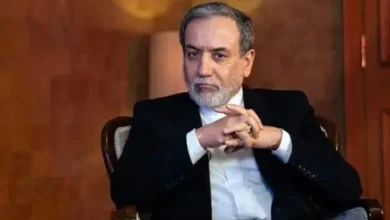
Iranian Foreign Minister Abbas Araghchi strongly condemned the attack and warned Kurdish officials and residents to remain alert to possible “false-flag operations” that could be intended to create divisions and conflict between neighboring countries.
Although the attack caused no casualties, its significance goes beyond the drone strike itself. The Kurdistan Region is located in a strategically sensitive area where the interests of Iraq, Iran, Turkey and Syria intersect. Any attack on a sensitive government facility can therefore immediately raise questions about who carried it out, why the location was targeted and what political consequences could follow.
Iranian Foreign Minister Takes a Cautious Position
Abbas Araghchi described the attack as a “reckless act” in a statement posted on the social media platform X. However, he stopped short of directly accusing any particular party.
The Iranian foreign minister urged the people and authorities of Kurdistan to remain cautious about possible false-flag operations. He suggested that such incidents could be intended to create disagreements between friendly neighboring countries and fuel instability in the region.
The cautious approach is significant because assigning blame without evidence immediately after an attack could further escalate tensions.
Two Drones Targeted the Government Office
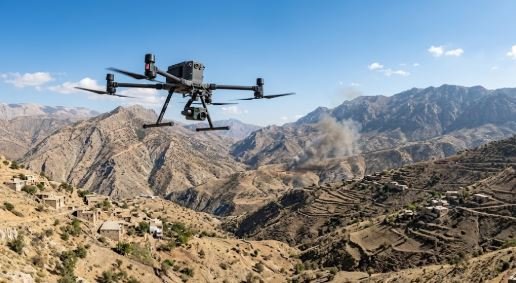
According to the Kurdistan Regional Government, two drones targeted the regional Prime Minister’s office.
No casualties were reported, but the targeting of a sensitive government facility has raised security concerns.
The full circumstances surrounding the attack and the motives behind it remain unclear. This is also why Iran has raised the possibility of a false-flag operation rather than directly blaming a particular country or group.
Iran’s Relationship With Kurdistan
Iran has maintained relations with Iraq’s Kurdistan Region for decades. The relationship includes political and economic ties, while border security remains another important issue.
The presence of a large Kurdish population in northern Iraq and Iran’s long border with the region have made security cooperation an important part of relations between the two sides.
In his statement, Araghchi referred to Iran’s support for Kurdish people during the rule of Saddam Hussein and during the fight against ISIS.
He also thanked Kurdistan for helping maintain security along Iran’s border. His comments indicate that Tehran is seeking to protect its relationship with Kurdistan from further tensions.
Why the False-Flag Concern Matters
A false-flag operation generally refers to an action carried out in a way that creates the impression that another party was responsible, potentially influencing political or military responses in a particular direction.
In a complex region such as Iraq and the wider Middle East, such concerns are particularly sensitive because the interests of armed groups, regional powers and international actors often overlap.
If a country or organization is incorrectly blamed for an attack, the consequences could extend far beyond the original incident.
A Region Already Facing Serious Security Challenges
The drone attack in Kurdistan comes at a time when the wider Middle East is facing significant security challenges.
The increasing availability of drone technology has made it easier for non-state actors and armed groups to target sensitive locations. Government buildings, military facilities, energy infrastructure and other strategic sites can all face potential drone threats.
The Kurdistan Region is particularly sensitive because of its geographic position and its connections to several regional powers. A major security incident there could therefore have consequences beyond Iraq’s borders.
Why Did Iran Avoid Directly Assigning Blame?
The fact that Iran’s foreign minister did not identify a specific party is also noteworthy.
Although Tehran has frequently taken strong positions on regional security issues, its latest statement emphasized caution rather than directly blaming another country or group.
This could indicate that Iran wants to avoid an immediate response that could further increase regional tensions.
By raising the possibility of a false-flag operation, Iran also appeared to be warning against immediately using the attack as a basis for accusations or action against a neighboring country.
Who Was Behind the Attack?
The most important unanswered question is who carried out the drone attack and what the intended objective was.
Until investigations are completed, assigning responsibility to a particular party would remain speculation.
However, targeting a sensitive government office suggests that the attackers may have had information about the location or selected the site for a specific purpose.
If investigators eventually establish the involvement of an organized group or an outside actor, the incident could develop beyond a security matter and acquire broader diplomatic and regional implications.
Caution Needed to Prevent Further Escalation
The fact that the drone attack caused no casualties is a positive development, but such incidents should not be treated as insignificant.
Araghchi’s warning about possible false-flag operations highlights the importance of conducting thorough investigations and establishing facts before taking action or making accusations.
For Kurdistan, the immediate challenge is to strengthen its security while avoiding becoming involved in a wider confrontation that could potentially be exploited by outside actors for their own interests.
The attack by two drones may appear to be a limited incident, but the questions surrounding it could prove far more significant for relations between regional powers and the broader security situation in the Middle East.