The True Post (Web News) | MUHAMMAD AMANULLAH | October 16, 2026
The war involving Iran has reportedly placed growing pressure on the United States’ advanced missile defense stockpiles, with concerns that supplies of Terminal High Altitude Area Defense (THAAD) and Patriot interceptors could remain significantly below desired levels until 2030.
According to a report by US media outlet CBS News, the extensive use of defensive missiles during the conflict could make replenishing American stockpiles a major challenge for the US military. The situation has raised questions about the country’s ability to maintain its missile defense readiness while meeting ongoing security commitments in multiple regions.
The report indicates that the US military has had to use missile defense systems during the conflict with Iran while also supplying defensive weapons to Ukraine and Israel. These overlapping demands have placed additional pressure on American defense inventories and increased concerns about the availability of advanced missile interceptors.
Large Numbers of Patriot Missiles Reportedly Used
According to CBS News, the United States had approximately 2,300 Patriot interceptor missiles at the beginning of 2026.
During the war with Iran, an estimated 1,050 to 1,430 of those interceptors had reportedly been used.
These figures suggest that a substantial portion of the initial Patriot inventory may have been expended during the conflict.
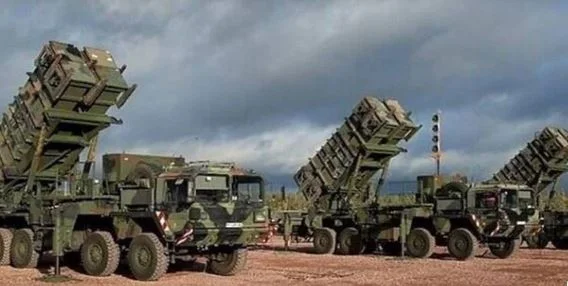
The Patriot missile defense system is designed to intercept incoming aerial threats, including certain ballistic and cruise missiles, as well as aircraft. Its interceptors are an important component of America’s broader air and missile defense capabilities.
The reported level of expenditure could create significant challenges for US military planners, particularly if the pace of operations remains high.
Replacing the missiles will depend on manufacturing capacity, supply chains, available funding, and the time required to deliver newly produced interceptors.
If demand continues to outpace production, rebuilding stockpiles to their desired levels could become a major defense planning challenge.
THAAD Missile Stockpiles Also Under Pressure
CBS News also reported that the United States had approximately 355 THAAD interceptors before the war with Iran began.
According to the report, an estimated 190 to 290 interceptors may have been used during the conflict.
THAAD, short for Terminal High Altitude Area Defense, is one of the United States’ advanced missile defense systems. It is designed to intercept incoming ballistic missiles during the final phase of their flight, including at high altitudes and, in some circumstances, outside the atmosphere.
Because THAAD interceptors are specialized weapons with limited inventories and complex production requirements, large-scale use can complicate efforts to meet future defense needs.
The reported pressure on both THAAD and Patriot stockpiles has raised concerns about how quickly the United States can replenish its supplies while maintaining operational readiness.
The report suggests that restoring these inventories to desired levels could take several years, with shortages potentially continuing through 2030.
However, the actual timeline will depend on production rates, future military requirements, procurement decisions, and the accuracy of the reported expenditure estimates.
General Randy George Had Previously Raised Concerns
According to CBS News, former US Army Chief of Staff General Randy George had warned the administration about potential shortages of defense weapons approximately two months before the war with Iran began.
The report stated that an assessment of defense stockpiles prepared by George was also included in the Pentagon’s fiscal year 2027 Global Force Management Plan.
This suggests that concerns about weapons availability and future military requirements were already part of US defense planning before the conflict began.
The issue has become more pressing as the US military seeks to balance its own defense requirements with commitments to allies and partners in different parts of the world.
In a major conflict, the rapid expenditure of missile interceptors can increase dependence on industrial production and the availability of specialized components.
Replenishing advanced defensive weapons can take considerable time, making stockpile management an important element of long-term military readiness.
Removal of General Randy George Raises Questions
The report also stated that US Secretary of Defense Pete Hegseth removed General Randy George from his position after the war with Iran began.
The discussion of George’s earlier assessment of defense stockpiles and his subsequent removal has drawn attention to the broader debate surrounding US military preparedness.
However, the available information does not establish that George was removed because he warned about potential shortages of missile interceptors.
Without additional evidence, any direct connection between his removal and his assessment of weapons inventories would be speculative.
The issue highlights the importance of distinguishing between reported events and conclusions that have not been independently established.
Pentagon Disputes Concerns About US Weapons Shortages
The Pentagon, meanwhile, has rejected concerns that declining weapons stockpiles would prevent the United States from carrying out its military operations.
The US Department of Defense has maintained that American forces have the weapons necessary to conduct operations at any time and in any location.
This position contrasts with the concerns described in the CBS News report, which highlights the reported use of large numbers of Patriot and THAAD interceptors and the possibility that inventories could remain below desired levels until 2030.
The two positions address different aspects of military readiness. The Pentagon’s assurances concern the military’s ability to conduct required operations, while questions about stockpile replenishment relate to the longer-term sustainability of those capabilities.
The ability to carry out current operations does not, by itself, establish how quickly depleted inventories can be restored or whether future demands could exceed production capacity.
Further information about current inventories, manufacturing schedules, procurement contracts, and projected operational requirements would be needed to assess the full extent of any shortage.
What the Reported Missile Shortages Could Mean for US Defense Readiness
The reported expenditure of Patriot and THAAD interceptors has renewed attention on the challenges of maintaining advanced missile defense capabilities during a prolonged conflict.
The United States must balance its immediate operational needs with the requirement to preserve sufficient defensive weapons for future contingencies.
Large-scale use of interceptors can place pressure on manufacturing facilities, specialized supply chains, procurement budgets, and delivery schedules.
The situation also highlights the wider strategic importance of industrial capacity in modern warfare. Even countries with advanced military technology can face difficulties replenishing sophisticated weapons when demand rises sharply.
For Washington, the challenge is to ensure that current operations, commitments to allies, and future defense requirements can all be supported without undermining long-term readiness.
Overall, the Iran war has brought renewed scrutiny to US missile defense stockpiles, particularly the availability of Patriot and THAAD interceptors.
While reports point to substantial weapons expenditure and the possibility of shortages extending toward 2030, the precise condition of current inventories and the timeline for replenishment remain dependent on further verified information.
The coming years will be important in determining whether the United States can expand production sufficiently to rebuild its missile defense reserves while maintaining its global military commitments.