The International Court of Justice ruled on Thursday that Myanmar committed genocide against its Rohingya minority during the military’s 2017 clearance operations in northern Rakhine State, in a landmark judgment that marks the first time the court has found a state responsible for genocide.
The court, the United Nations’ highest judicial body, delivered its verdict at the Peace Palace in The Hague after a case that began in November 2019, when The Gambia accused Myanmar of breaching its obligations under the 1948 Genocide Convention.
A First in the Court’s 80 Year History
By nine votes to six, the judges found that Myanmar’s security forces acted with intent to destroy a substantial part of the Rohingya population. Delivering the judgment, court president Judge Yuji Iwasawa said the court was fully convinced that Myanmar committed acts under the Genocide Convention with an intent to destroy a substantial part of the Rohingya population in Myanmar.
The judges estimated that around 10,000 Rohingya were violently killed during the 2017 operations, and that around 815,000 Rohingya had lived in northern Rakhine State before the campaign began. The court also found that Myanmar’s forces killed thousands of civilians, committed widespread sexual violence and carried out extreme acts of violence against children.
The court heard arguments on the merits of the case in January 2026, more than six years after The Gambia filed its claim with the backing of the Organisation of Islamic Cooperation. Myanmar denied genocide throughout the proceedings, arguing that its forces were responding to attacks by the Arakan Rohingya Salvation Army.
What the Court Ordered
The judgment carries a series of binding orders. The court directed Myanmar to allow and facilitate the safe, voluntary and dignified return of Rohingya refugees to their places of residence, and to provide reparations, with the amount to be determined at a later stage.
By the same nine to six margin, the court ordered Myanmar to provide assurances and guarantees that it will not repeat its violations of the Genocide Convention. It also found, by 11 votes to four, that Myanmar had violated its obligation to punish genocide, and by 14 votes to one that it had failed to enact the legislation needed to give effect to the convention.
The court further held that Myanmar had failed to take significant steps to investigate those responsible, had interfered with international investigations and destroyed crucial evidence, and had provided no remedies to the victims.
A Binding Ruling With No Enforcement
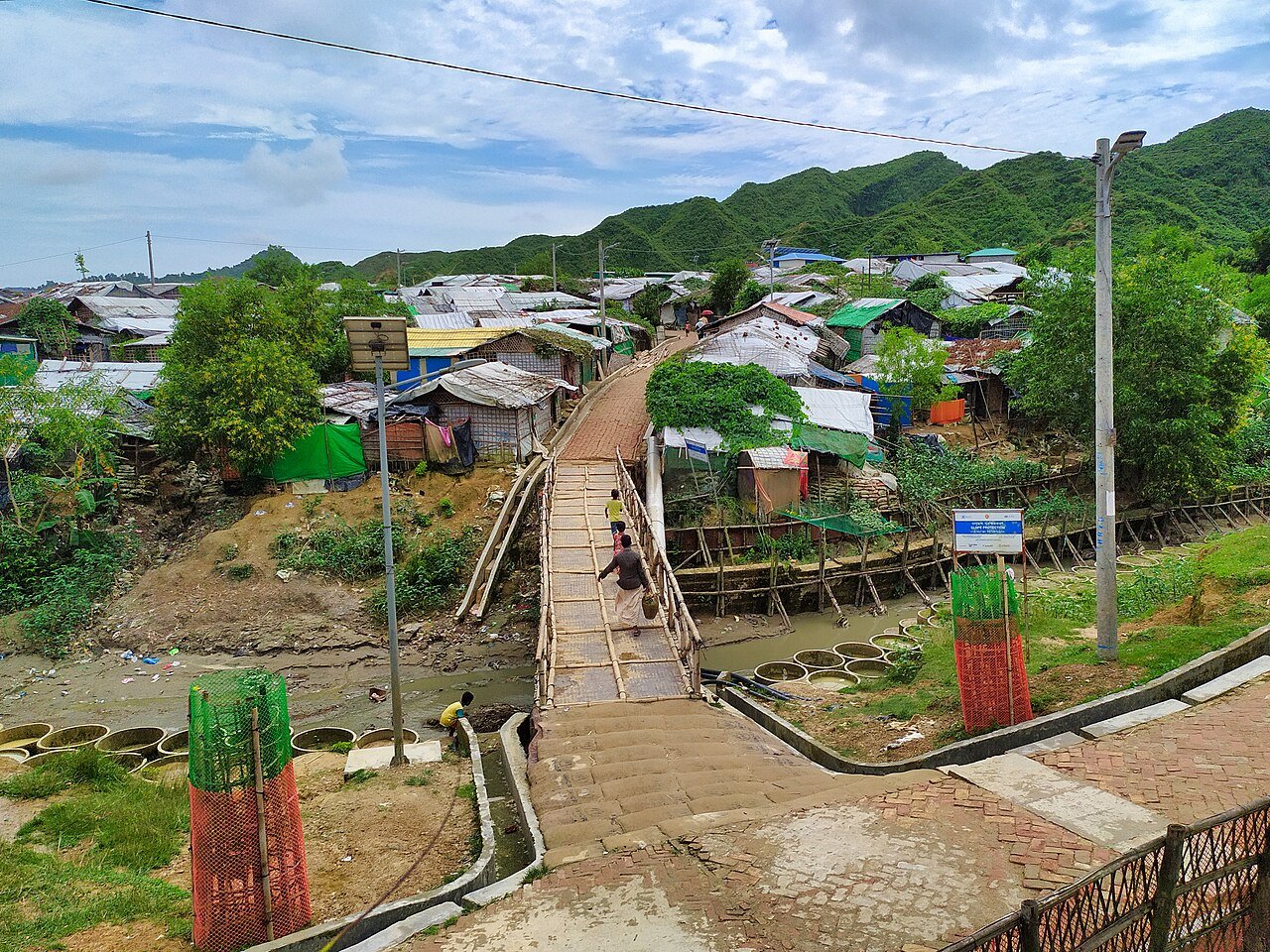
The ruling is final and cannot be appealed, but the court has no mechanism to enforce it, and it remains to be seen whether Myanmar’s rulers will comply. Hundreds of thousands of Rohingya remain in refugee camps in Bangladesh, where many watched the judgment being read out on screens in Cox’s Bazar.
Human rights groups welcomed the verdict. Amnesty International called it a rare victory for survivors, while Fortify Rights said the judgment would give significant momentum to efforts to hold individual perpetrators criminally accountable. The man who oversaw the 2017 campaign, former armed forces chief Min Aung Hlaing, is now Myanmar’s president following engineered elections.
The ruling establishes the responsibility of the state of Myanmar under international law. Individual criminal responsibility for the atrocities must be determined in separate proceedings, including before the International Criminal Court, where prosecutors have sought an arrest warrant for Min Aung Hlaing.