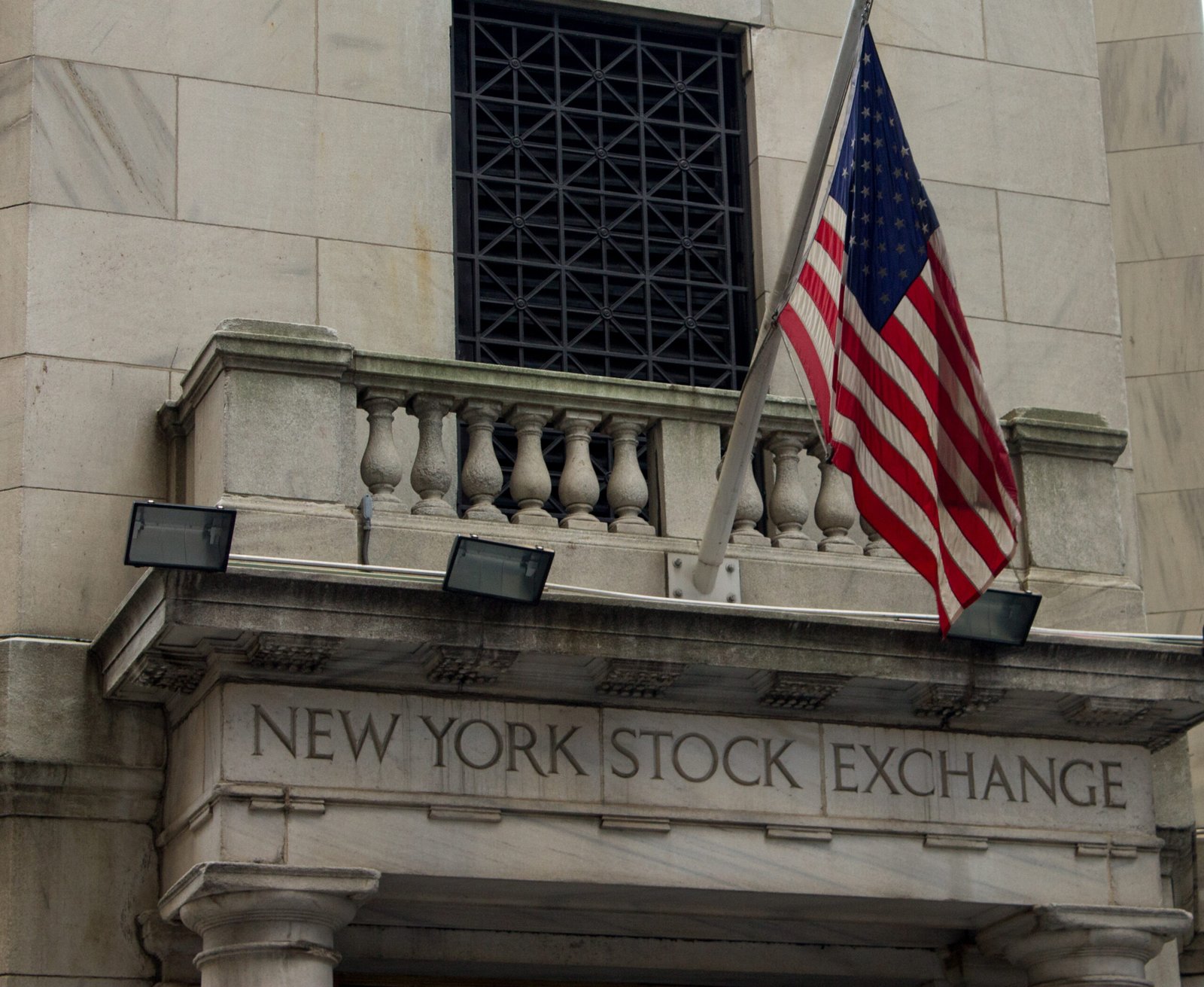
Wall Street closed a brutal week on Friday, November 20, as the Nasdaq Composite erased every gain it had made in 2026 and the S&P 500 and the Dow Jones Industrial Average both slid into correction territory. The selloff, led by artificial intelligence and chip stocks, capped the market’s worst week since April 2025 and raised fresh doubts about the rally that had carried stocks to record highs only weeks ago.
A Brutal Friday on Wall Street
The Nasdaq Composite plunged 1,261.47 points, or 5.28 percent, to close at 22,617.73, its second worst day of the year. The drop left the index down about 2.7 percent for 2026, after it had been up almost 19 percent through early October. The S&P 500 fell 265.44 points, or 3.7 percent, to 6,910.39, its seventh straight daily loss and its longest losing streak since February 2020. The Dow dropped 949.73 points, or 1.93 percent, to 48,147.33. Both the S&P 500 and the Dow are now more than 10 percent below their recent record highs, the standard definition of a correction. The S&P 500 last set a record on October 6 and is now 11.6 percent below that peak. For the week, the S&P 500 lost 8.6 percent, the Dow 8 percent and the Nasdaq 10 percent. The Nasdaq 100 fell 5.6 percent on Friday and 10.4 percent for the week, its worst week since March 2020, and is now about 20 percent below its peak.
The AI Trade Unwinds
The selling was concentrated in the stocks that had powered the rally. Nvidia, the bellwether of the artificial intelligence boom, plunged about 14 percent on Friday after a Reuters report that regulators are examining accounting issues at the chipmaker. Anthropic, whose record breaking stock market debut had thrilled investors only a day earlier, fell about 9 percent on its second day of trading. The Philadelphia Semiconductor Index fell 10.7 percent on Friday and 17.1 percent for the week. Investors are questioning whether the multitrillion dollar buildout of artificial intelligence infrastructure can keep growing at its recent pace, and whether the returns will justify the spending. Hawkish minutes from the Federal Reserve’s October meeting, released on Wednesday, added to the pressure by signalling that interest rates may rise further rather than fall.
Fear Gauge Jumps as Investors Seek Safety
The Cboe Volatility Index, Wall Street’s fear gauge, jumped about 26 percent to near 36, its highest level since April 2025. Bitcoin fell about 5 percent and gold also slipped. Even so, the damage so far is a correction, not a collapse. The S&P 500 is still up about 0.9 percent for the year and the Dow about 0.2 percent, while smaller companies, measured by the Russell 2000, are up about 4 percent in 2026. Markets will look next to earnings reports and Federal Reserve signals for any sign that the selling has run its course.