A magnitude 6.7 earthquake struck central Peru on Friday evening, shaking buildings in the capital, Lima, and across the central Andes. Officials said no deaths were reported and early assessments listed only minor damage.
A deep quake that limited the damage
The United States Geological Survey said the quake struck at 7:09 p.m. local time on Friday, November 20. Its epicentre was in the Andes, about 34 kilometres north of Junin, at a depth of 108 kilometres. Peru’s Geophysical Institute put the epicentre about 30 kilometres northwest of Junin and the depth at 129 kilometres. Both agencies agreed on the size, magnitude 6.7. The depth mattered. At more than 100 kilometres down, much of the energy faded before it reached the surface, which is why a quake of this size caused so little harm.
Shaking felt across eight regions
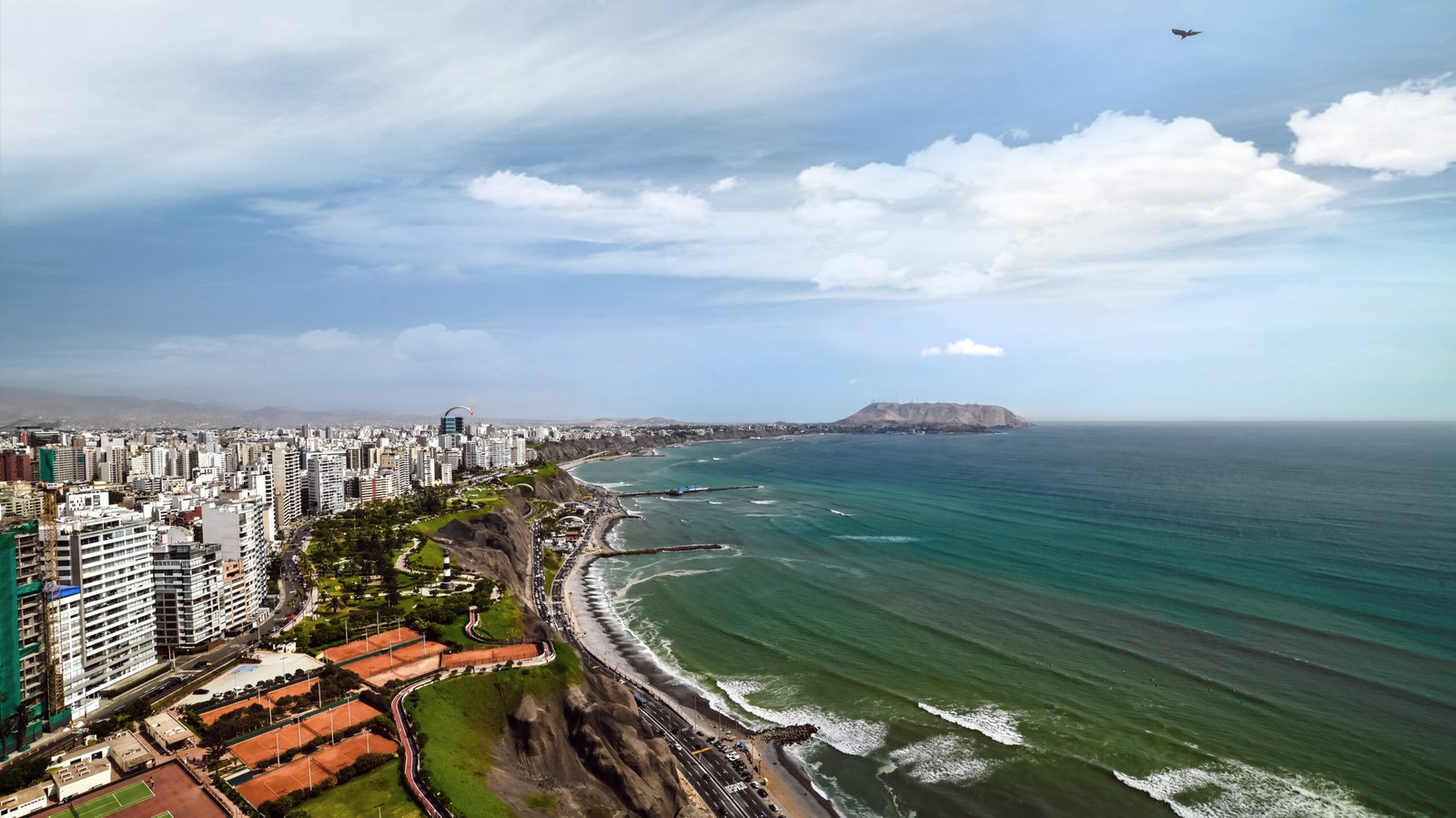
People felt the shaking in Lima, about 300 kilometres from the epicentre, where residents poured out of apartments, shops and office towers into the streets. In the Miraflores district, dozens of buildings swayed. The tremor interrupted business in the Congress building. The shaking was also felt in Ancash, Ica, Ucayali, Cerro de Pasco, Huanuco and Callao. Peru’s National Emergency Operations Centre said the quake was felt with moderate intensity in several regions. The United States Tsunami Warning System said there was no tsunami warning, advisory or watch in place.
Minor damage, and checks continue
Peru’s Geophysical Institute said at first that no damage or casualties had been reported. Later tallies from the civil defence institute listed about 34 damaged houses in several communities, rockfalls blocking stretches of the Central Highway and the Costa Verde coastal road, power outages in towns such as Pichanaqui and Satipo, and structural cracks at a university campus in La Merced. At least one person was reported injured in Lima. Officials said assessments were still under way in remote Andean villages near the epicentre, and residents remained on alert for aftershocks. The quake was the strongest in Peru in more than four months. Peru sits on the Pacific Ring of Fire, one of the most seismically active zones in the world, and the Junin region lies at the heart of the country’s mining belt. Peru is the world’s third largest producer of copper.