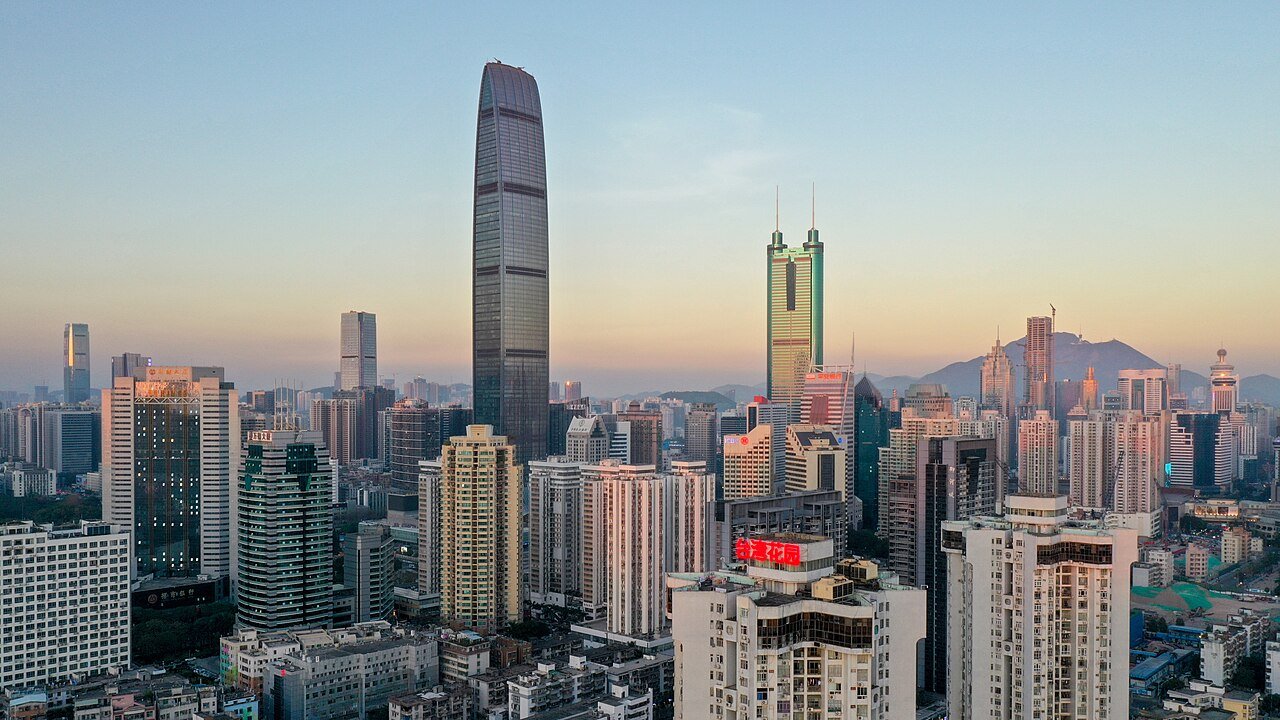
The leaders of the United States, China and Russia met on Thursday in the Chinese city of Shenzhen for the first trilateral summit in history, issuing a joint declaration on nuclear risks, energy supplies and reform of the United Nations. The meeting brought together US President Donald Trump, Chinese President Xi Jinping and Russian President Vladimir Putin for 90 minutes at Kylin Villa, on the sidelines of the Asia Pacific Economic Cooperation summit. It was the first time the heads of state of the three largest nuclear powers have sat down together without other leaders present. Trump also met Putin separately ahead of the trilateral session, their first meeting since August 2025.
A First Meeting of the Three Nuclear Powers
Xi chaired the meeting, which was reportedly proposed by Putin. For the Russian leader, the gathering carried particular weight, since it was his first time since the start of the war in Ukraine taking part in an international meeting attended by leaders from countries including Canada, Japan and Australia. For Xi, hosting the summit underlined Beijing’s claim to a central role in shaping a multipolar world order. For Trump, it was a chance to pursue his faith in personal diplomacy with adversaries, raising nuclear risks, the war in Ukraine, tensions with Iran, energy security and trade. While the three leaders talked in Shenzhen, the war continued, and the Ukrainian capital Kyiv came under Russian drone attack.
What the Declaration Says
The four point Declaration toward Peace issued after the meeting was deliberately modest. The three leaders reaffirmed that a nuclear war cannot be won and must never be fought, and agreed to pursue dialogue on reducing nuclear risks and preventing proliferation. They also pledged to support increased production and supply of refined petroleum products, and committed themselves to reform of the United Nations so it can respond more effectively to modern challenges. The declaration further said that the principle of state consent and respect for the immunities of state officials is of paramount importance, and that the International Criminal Court and similar bodies must not abuse their jurisdiction. Trump called the court out of control in his public remarks.
Symbolism Over Substance
Analysts were quick to note what the declaration did not contain. It set no limits on warheads, no verification arrangements and no timetable for negotiations, and it made no mention of Ukraine or Iran, despite their prominence in the wider discussions. China, with an estimated 620 warheads compared with more than 5,000 held by each of the United States and Russia, has long resisted joining trilateral arms talks, and the summit produced no commitment to replace the New START treaty, which expired earlier in 2026. The meeting was widely described as more style than substance, yet it still mattered as a signal. It reopened leader level channels between the three powers and showed that, in their own eyes, the management of the international order remains a great power enterprise.