Muhammad Amanullah — September 9, 2026
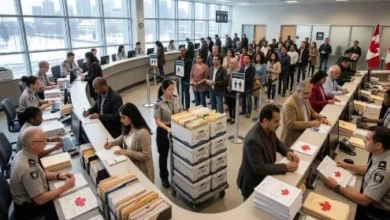
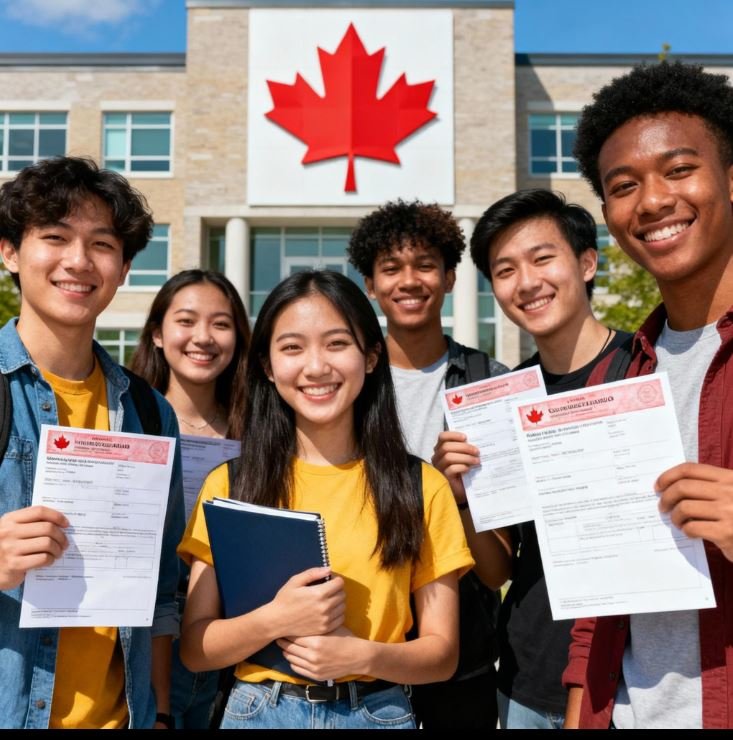
Canada’s immigration system is facing renewed scrutiny as more than 1,500 international students, including Indian nationals, face the risk of removal after their applications for Post-Graduation Work Permits (PGWPs) were refused under updated eligibility rules.
The developments come as Canada continues to reduce the number of temporary residents and tighten its international student programme. The federal government has also introduced higher financial requirements and stronger document verification measures for students applying for study permits in 2026.
More Than 1,500 Students Face Removal Risk
The dispute centres on students who graduated from programmes that are no longer considered eligible for a Post-Graduation Work Permit.
Immigration, Refugees and Citizenship Canada (IRCC) clarified on June 24, 2026, that graduates of certain non-credit programmes do not qualify for PGWPs. A number of affected students argue that they enrolled before the clarification and had been told by their educational institutions that they would remain eligible.
The issue has triggered protests and calls for the government to review the cases individually. More than 250 rights organisations have reportedly called for an independent review and a pause on removal orders affecting students.
Calgary Protest Raises Further Concerns
The immigration dispute escalated during a protest in Calgary in August.
Canadian border officials checked the identities of protesters and identified 12 people as potentially inadmissible. Those individuals were subsequently interviewed and some received removal orders.
Student groups and their supporters have criticised the enforcement action, arguing that people who believed they had a legitimate pathway to remain in Canada were placed under significant immigration pressure.
Affected students are seeking judicial reviews and asking federal authorities to reconsider how the eligibility rules were applied to people who had already started their studies.
Canada Introduces Stricter Study-Permit Requirements
The controversy comes at a time when Canada is already tightening its international student programme.
From September 1, 2026, students applying for study permits have faced updated financial requirements. The government says the changes are intended to ensure that international students have enough money to support themselves while studying in Canada.
Canada has also strengthened verification of admission documents and introduced tighter controls aimed at protecting the integrity of the international student system.
Canada Limits International Student Numbers
Canada has set a target of up to 408,000 study permits for 2026.
Of that total, approximately 155,000 are intended for newly arriving international students, while another 253,000 are allocated for extensions involving current and returning students.
The 2026 target is lower than previous years as Ottawa attempts to reduce pressure on housing, public services and the broader temporary-resident system.
The government has also created exemptions for some graduate students. Master’s and doctoral students enrolled at eligible public designated learning institutions do not need a provincial or territorial attestation letter under the 2026 rules.
Study-Permit Refusal Rates Have Also Increased
Official Canadian government data shows that obtaining a new study permit has become more difficult.
The refusal rate for new study-permit applications increased to 59 per cent during 2025, compared with 52 per cent in 2024. By January 2026, the refusal rate for new applications had reached 62 per cent, according to information provided by IRCC.
At the same time, the number of international students in Canada has declined. IRCC reported approximately 691,215 study-permit holders at the end of 2025, compared with about 928,430 at the end of 2024.
Canada Still Wants Highly Skilled Students
Despite the tougher rules, Ottawa has not closed the door on international students.
The government says international students remain important to Canada’s economy, research sector and labour market. The new policies are instead aimed at reducing unsustainable growth and ensuring that students entering Canada have genuine educational plans and sufficient financial resources.
Canada is also providing more favourable treatment to selected graduate-level programmes. Eligible master’s and doctoral students at public institutions are among those receiving exemptions from some of the new attestation requirements.
Global Immigration Policies Also Becoming Stricter
Canada’s policy shift comes amid a broader international debate over immigration.
The United States has also intensified immigration enforcement, while visa processing and immigration procedures have become more restrictive in several areas. The UK is simultaneously reviewing migration and visa policies, while Australia is debating tighter controls and lower migration levels.
The global trend reflects growing pressure on governments to balance immigration with housing availability, labour-market requirements, public services and border management.
For international students and skilled workers, the changing environment means that visa eligibility can no longer be viewed as a straightforward pathway to permanent residence.
What the Changes Mean for Future Applicants
For people planning to study or work in Canada, immigration experts increasingly stress the importance of choosing an eligible programme and institution before submitting an application.
Applicants should carefully verify current IRCC requirements, financial documentation, programme eligibility and work-permit rules because immigration policies can change after an applicant has already made educational and financial commitments.
Canada’s official study-permit guidance confirms that most foreign nationals require a study permit and generally need an acceptance letter from a designated learning institution before applying.
Immigration System Faces Growing Pressure
The dispute involving international graduates highlights the challenges created when immigration rules change while students are already studying in Canada.
For the affected graduates, the issue is not simply about obtaining a work permit. Many say their education, finances and future plans were based on the expectation that they could legally work in Canada after graduation.
For Ottawa, however, controlling temporary migration has become an increasingly important policy objective.
As Canada continues to reduce international student numbers while attempting to attract highly skilled talent, the coming months are likely to bring further debate over fairness, immigration enforcement and the country’s long-term approach to international students and temporary residents.