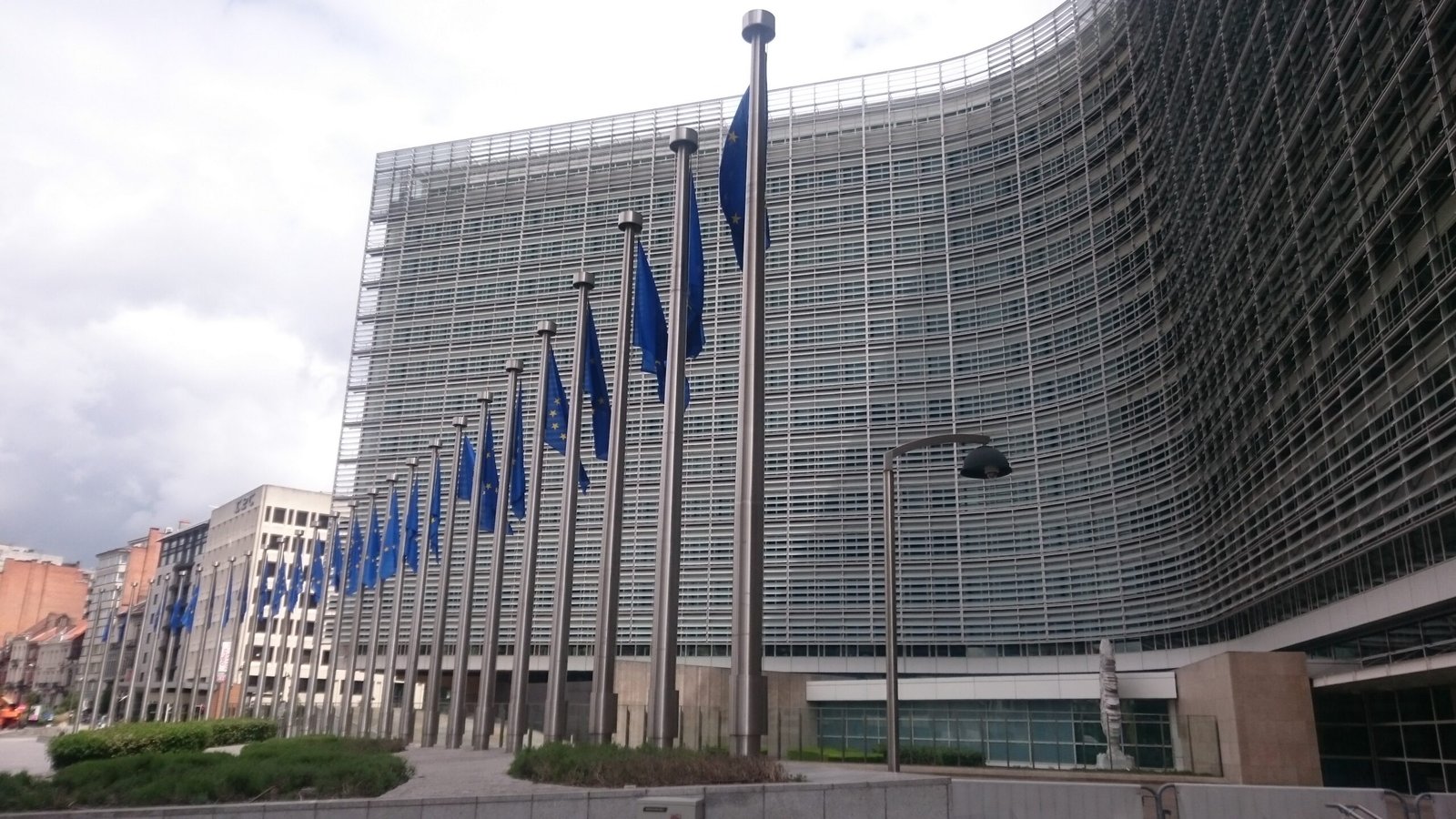
The European Union and Indonesia have signed a comprehensive trade agreement and an investment protection agreement in Brussels, closing nearly ten years of negotiations and opening one of the largest new trade corridors in the Indo-Pacific.
The European Commission said the two agreements were signed on Saturday, 21 November, after talks that began in July 2016 and were concluded in September 2025. European Union governments had authorised the signature on 18 November. The deal still needs approval from the European Parliament and the completion of internal procedures on both sides before it can take effect, which is expected in early 2027.
Duties to disappear on almost all goods
Under the Comprehensive Economic Partnership Agreement, known as CEPA, both sides will remove import duties on more than 90 percent of products, rising to 98.5 percent of tariff lines over time. Indonesia will eliminate duties on 96 percent of its tariff lines for European goods, while 90.4 percent of Indonesian tariff lines will enjoy zero tariffs from the very first day the agreement applies.
Indonesia will also phase out its duty of up to 50 percent on cars made in the European Union within five years, and will remove duties on most European agricultural exports. The European Commission estimates the deal will save EU exporters about 650 million euros a year in customs duties. EU agri-food exports to Indonesia are already worth about 1 billion euros a year.
The agreement protects 221 EU geographical indications, so names such as French Roquefort cheese and Greek Kalamata olive oil can only be used for products genuinely made in their designated regions. It also gives Indonesia an export duty free quota for crude palm and palm kernel oil, which are strategic inputs for European industry.
A push to offset US tariffs
The deal is part of the European Union’s effort to diversify its trade and offset the impact of tariffs imposed by US President Donald Trump. Indonesia is Southeast Asia’s largest economy and the world’s fourth most populous nation, while the EU is a single market of 450 million people.
The timing matters for Jakarta. Both sides aim to bring the agreements into provisional application as swiftly as possible, ahead of 1 January 2027, when Indonesia graduates from the EU’s generalised scheme of preferences and its exports will no longer benefit from preferential tariffs under that scheme.
What happens next
The agreements will now go to the European Parliament for approval. The investment protection agreement sets legal safeguards for long term investors and protects EU investments against unjustified discrimination.
For businesses on both sides, the deal also opens new opportunities in services, public procurement, electric vehicles, electronics and pharmaceuticals, and it sets clearer and simpler food safety rules for European exporters.