
The True Post (Web News) A new controversy regarding Indigenous identity has emerged in Canada, which has not only shaken the courtrooms but also sparked a wide-ranging debate among Indigenous communities and public circles.
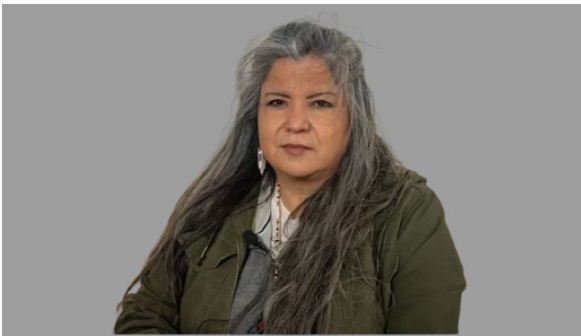
Four women and their mother have filed a defamation lawsuit in Yukon Supreme Court against a First Nations woman, Crystal Semagans. The plaintiffs allege that Semagans has irreparably damaged their reputation, careers and peace of mind by calling them “pretenders,” or false claimants of Indigenous identity. The case is not just a legal matter but also a social issue that is tied to Indigenous identity, rights and the distribution of resources in Canada.
Details of the case and the position of the plaintiff women
The plaintiffs include Manda Buffalo, Krista Reed, Amyris Menderscheid and their mother, Louise Darroch. The women say that Semagans launched a “baseless and malicious campaign” against them on social media after October 2024. They allege that Semagans portrayed them as “fraudulent,” “liars,” “racists” and “resource-robbers.” According to them, it all started when Semagans researched their family background and concluded that they were of Ukrainian descent, not Indigenous. The plaintiffs say that the campaign not only affected their personal and social lives, but also destroyed their professional opportunities, educational futures and business connections. They are seeking damages of more than C$500,000 and a written apology to restore their dignity.
I stand to protect my community, Semagans.
On the other hand, Crystal Semagans, also known as “Michelle Christine Cameron,” describes herself as a First Nations activist and head of the “Ghost Warrior Society.” She is a Sixth Scopes survivor, meaning she is one of thousands of Indigenous children who were forcibly removed from their families and raised in non-Indigenous homes between 1951 and 1991. Semagans says her work is to expose “false claimants” within Indigenous communities who, through their false identities, take advantage of resources and opportunities reserved for genuine Indigenous people. She claims that if “pretendency” is not stopped, it could threaten the very existence of communities. She says > “If we keep having false claimants, the genuine people of our communities will go home in doubt and distrust. It’s not just a question of identity, it’s a question of survival.”
“Sixties Scope” and the Identity Crisis
To understand this conflict, it is important to understand the context of the “Sixties Scopes.” This was a period in Canada when thousands of Indigenous children were removed from their homes and placed with non-Indigenous families, resulting in the loss of their language, culture and traditions. Semagans believes that many “pretenders” use this historical tragedy as an excuse to prove their Indigenous identity in order to seize facilities, platforms and financial resources reserved for Indigenous communities. According to him, this trend has grown rapidly in the past few years and is creating more difficulties for actual Indigenous people.
The position of the plaintiff women
The plaintiffs, through their lawyer Tina Yang, told the court that Semagans’ research was flawed and inadequate. According to them, Semagans questioned their ethnicity and identity based on a few unverified documents and then destroyed their reputation through a systematic campaign on social media. According to them, as a result of this campaign, they faced severe mental stress, financial loss, loss of professional opportunities and social boycott. They call the matter not just a personal dispute but a matter of protecting their honor and identity.
Legal aspects and questions raised in court
This case raises several important legal questions: 1. Does calling someone a “pretender” constitute freedom of expression or is it defamation? 2. Is there a clear and reliable standard for determining Indigenous identity? 3. Can a court determine the racial identity of an individual or group, or is it only the right of the community? 4. Is it legally permissible to publicize research on social media and publicly call individuals “liars”?
These questions are not only a challenge for the court, but have also become a topic of major debate for Canadian society.
Indigenous leaders’ stance and national debate
This case is not just a dispute between a few individuals, but reflects a broader issue. In recent years, the Indigenous identity of several prominent figures, such as **Buffy St. Marie** and **Mary Ellen Tripp-Lafond**, has been questioned, resulting in distrust and divisions within Indigenous communities.
Social Impact: Crisis of Trust
The case has reignited the debate about how to protect and recognise Indigenous identity. There is growing concern in many communities that “pretenders” are taking away opportunities from genuine Indigenous people. On the other hand, there is also the risk that those who are genuinely experiencing an identity crisis may be viewed with suspicion. The case could also affect relations between Indigenous and non-Indigenous communities, as identity disputes have sparked many family and social conflicts in the past.
Concerns and question marks for the future
1. Will the court make a decision in this case that will set a precedent for all future identity disputes? 2. Will there be a national formal system of Indigenous identity in Canada?
3. Does social media need to be regulated for such sensitive debate? 4. And the most important question: Will this case bring Indigenous communities closer together or further divided?
The case, which is being heard in Yukon Supreme Court, may seem like a dispute between a few women and an activist, but it is actually a reflection of questions surrounding Indigenous identity, resources, rights and freedom of expression across Canada. Crystal Semagans sees herself as a defender of the community, while the women who are litigating describe themselves as fighters for dignity and identity.
August 31, 2025