The True Post (Web News) | By MUHAMMAD AMANULLAH | October 22, 2026
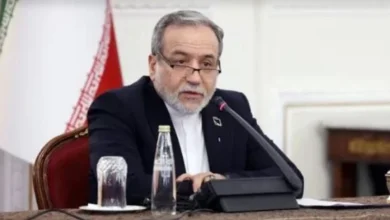
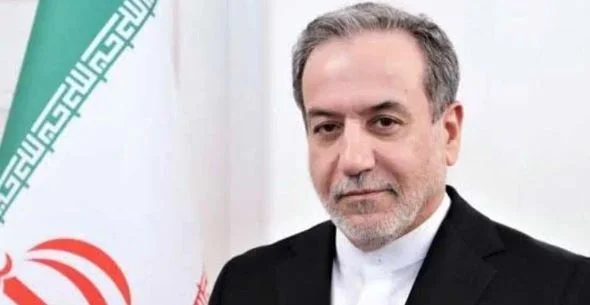
Iran has reiterated that progress in negotiations with the United States and the reopening of the Strait of Hormuz depend on Washington meeting Tehran’s demands. Iranian Foreign Minister Abbas Araghchi has questioned the US government’s sincerity, saying Iran has limited expectations for progress in talks and does not trust Washington’s claims about seeking peace.
At the same time, Iranian officials have adopted a firm position on national defence, stressing that the country will respond to potential threats through military preparedness and strength rather than statements alone.
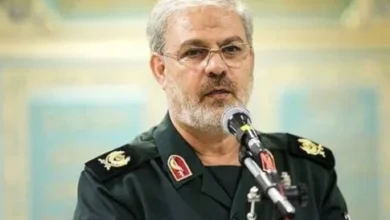
Iranian Defence Minister Mehrdad Akhlaghi said the country would not compromise on protecting its territory and was focused on strengthening its defensive capabilities.
US Sincerity Will Be Judged by Its Actions, Araghchi Says
Araghchi said Iran’s position on negotiations with the United States was clear and that Washington’s seriousness would be judged by the extent to which it acted on Tehran’s conditions.
According to the foreign minister, Iran does not expect a major breakthrough in talks with the United States. He said Tehran remained unconvinced by Washington’s declarations about peace and would not base its expectations on statements alone.
Iran maintains that the United States must demonstrate a genuine commitment to resolving the dispute. Tehran argues that meaningful progress requires practical steps addressing Iranian demands rather than relying on unilateral conditions.
Iran’s Conditions for Reopening the Strait of Hormuz
The Strait of Hormuz remains a major point of contention between Washington and Tehran. Iran says reopening the strategically important waterway and advancing negotiations depend on the United States meeting its demands.
According to reports, those demands include ending the US blockade of Iranian ports, lifting restrictions on Iranian oil exports and ending hostilities on various fronts across the region.
Araghchi has previously indicated that Iran’s proposal to reopen the Strait of Hormuz remains on the table, but implementation depends on US actions. Tehran wants initial negotiations to focus on reopening the waterway and ensuring the security of maritime traffic.
The United States, meanwhile, wants Iran’s nuclear programme included in the early stages of negotiations. This disagreement remains a significant obstacle to diplomatic progress between the two countries.
Iran Will Not Compromise on Territorial Defence
Iranian Defence Minister Mehrdad Akhlaghi has also taken a firm stance, saying Tehran will not compromise when it comes to protecting Iranian territory.
According to his remarks, Iran is focused on strengthening its defence capabilities to deal with potential threats. He said the country would demonstrate its capabilities through preparedness and strength rather than relying solely on verbal warnings.
Akhlaghi also referred to the use of advanced technology to strike targets, highlighting the importance Iran places on technological capabilities in its military strategy.
The defence minister said Iran was prepared to withstand pressure and threats rather than abandon its position. His remarks signalled that Tehran intends to rely on its defensive readiness in response to any potential military action or threats.
Diplomacy and Military Tensions Continue Side by Side
Iran’s latest statements come as both diplomatic efforts and the risk of further military escalation remain central to relations between Tehran and Washington.
On one hand, Iran is insisting that its conditions be addressed before negotiations can advance. On the other, Iranian officials continue to emphasise their readiness to respond if the country faces another attack.
Tehran maintains that the diplomatic path remains open, but says progress depends on concrete steps by Washington. Major disagreements over Iran’s nuclear programme, sanctions, the blockade of Iranian ports and regional conflicts remain unresolved.
The Strait of Hormuz is particularly significant because disruptions to shipping through the waterway could affect global energy supplies and oil markets. Any decision concerning its reopening could therefore have substantial regional and international economic consequences.
For now, Iran’s message is that progress in negotiations and the reopening of the Strait of Hormuz depend on meeting its conditions. Tehran is also emphasising military preparedness as a central element of its response to potential threats.
No final agreement or confirmed diplomatic breakthrough between Iran and the United States has been announced in the information provided.