Iran launched missile and drone attacks on United States military positions in Bahrain on Saturday, while two oil tankers were struck in the Strait of Hormuz, in the sharpest escalation yet of the open conflict between Tehran and Washington in the Gulf.
Bahrain Reports Fire and Two Injured
Bahrain’s Interior Ministry said an Iranian attack hit a civilian industrial facility and set it on fire. Civil Defence teams worked to contain the blaze. On Sunday, the ministry said two people were injured in the attacks, a Bahraini citizen in stable condition and a Pakistani resident in critical condition. Residents told the AFP news agency they saw smoke over Sitra Island, home to several industrial sites. Bahrain’s Defence Force said its air defences intercepted a number of Iranian aerial attacks, and falling debris caused material damage. Saudi Arabia and other Gulf states condemned the attack.
Iran Says It Hit U.S. Radars
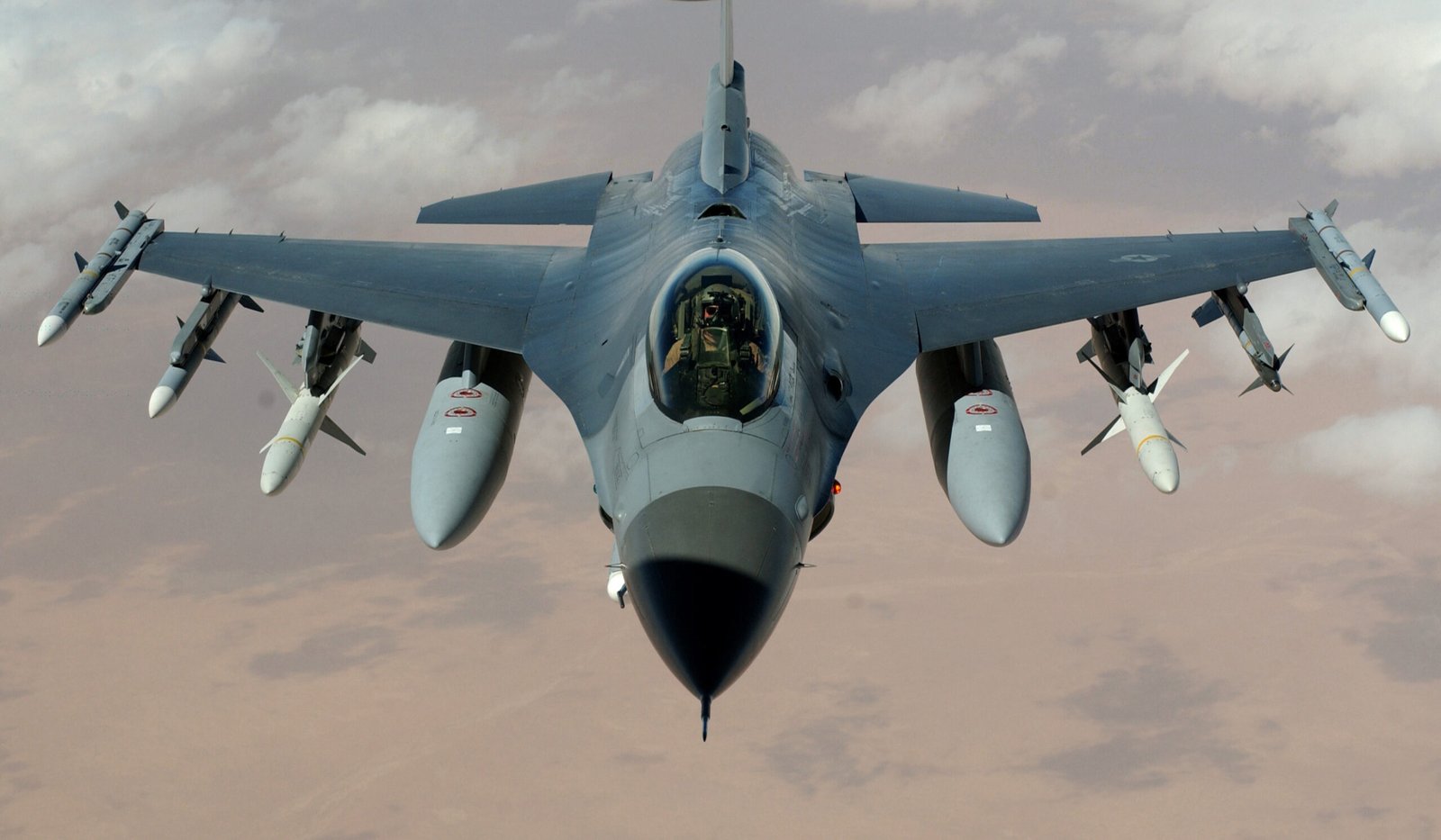
Iran’s Islamic Revolutionary Guard Corps said its aerospace force carried out a combined missile and drone attack on U.S. positions at the Al Riffa and Awali bases in Bahrain. The Guards said the attack hit the radars of two U.S. Patriot air defence systems. Tehran described the operation as retaliation for what it called repeated violations of Iranian airspace by U.S. drones, and for an attack on a radar installation on Hengam Island. The Guards said two U.S. drones, an MQ-1 Predator and an MQ-9 Reaper, had entered Iranian airspace earlier on Saturday. U.S. Central Command did not immediately respond to requests for comment, and there was no independent confirmation that any U.S. equipment was damaged. Central Command did deny a separate Iranian claim that a missile had damaged a U.S. F-16 over the Gulf on Friday, calling it false.
Tankers Struck in the Strait of Hormuz
On the same day, the British maritime agency UKMTO reported that two tankers were struck by unidentified projectiles in the Strait of Hormuz near Oman. One tanker was hit in the stern about 20 kilometres north of Khasab, and a second was hit in its engine room about 31 kilometres east of the port town. No casualties were reported on either vessel. Iran’s navy said separately that a third tanker caught fire after striking a naval mine east of the strait, after entering a restricted zone with its identification systems switched off. That claim could not be independently verified. The Strait of Hormuz is the world’s most important oil chokepoint, carrying about a fifth of the world’s seaborne oil, and the attacks raised fresh fears for energy supplies and shipping safety.
A Conflict Now in Its Ninth Month
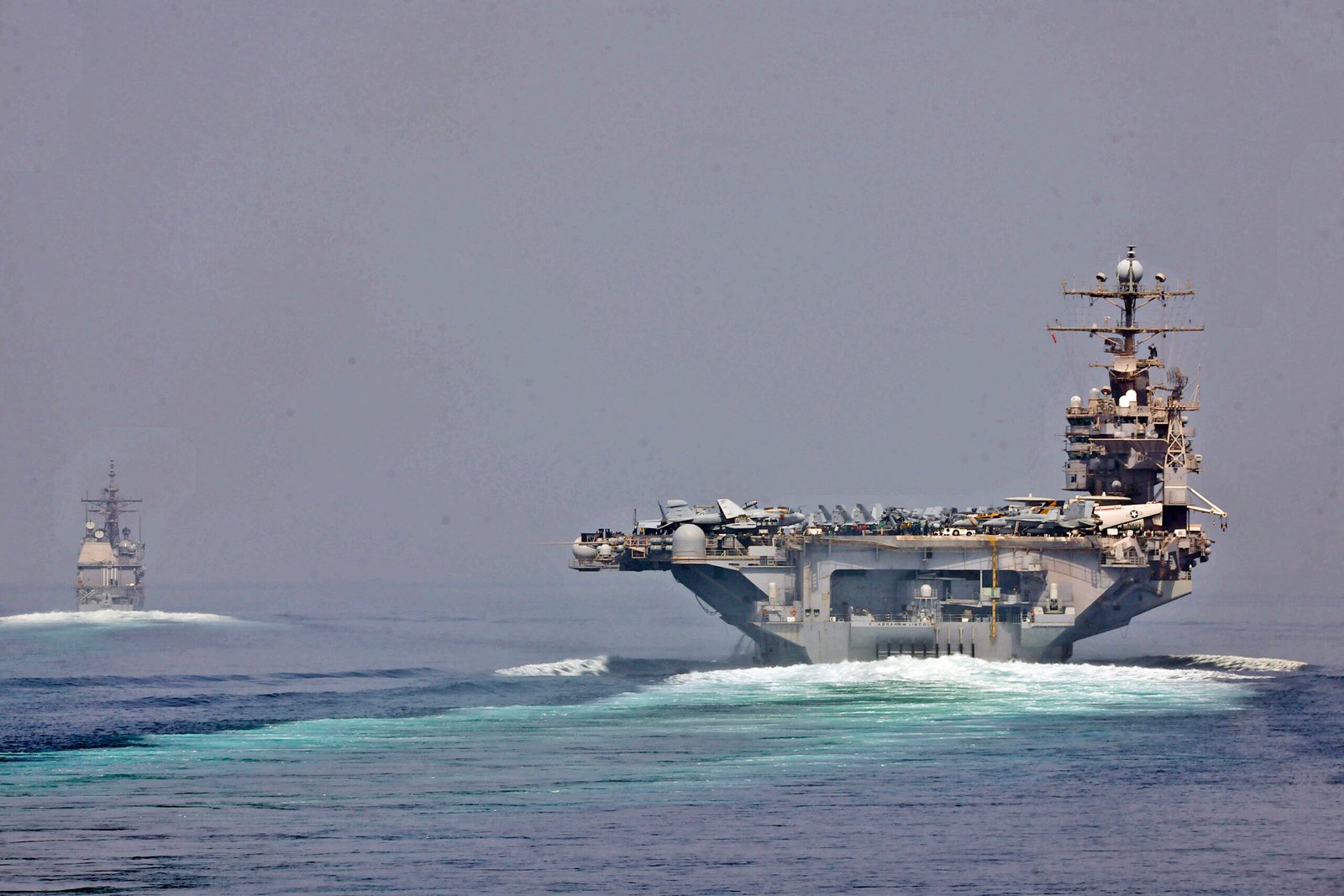
The fighting began in late February, when the United States and Israel attacked Iran. Since then, Iran has repeatedly targeted shipping in the Gulf and U.S. positions in Gulf states, while Washington has kept a naval blockade in place to pressure Tehran over its oil exports. Iran is reported to be preparing a convoy of tankers to challenge the blockade, although no official order to sail has been confirmed. With both sides now striking across the Gulf, diplomats warn that the risk of a wider regional war is growing.