Muhammad Aman Ullah
August 4, 2026
The True Post – Technology & Science News
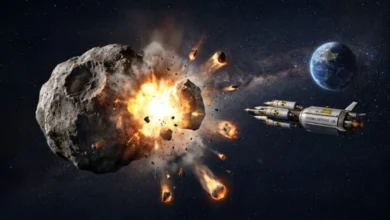
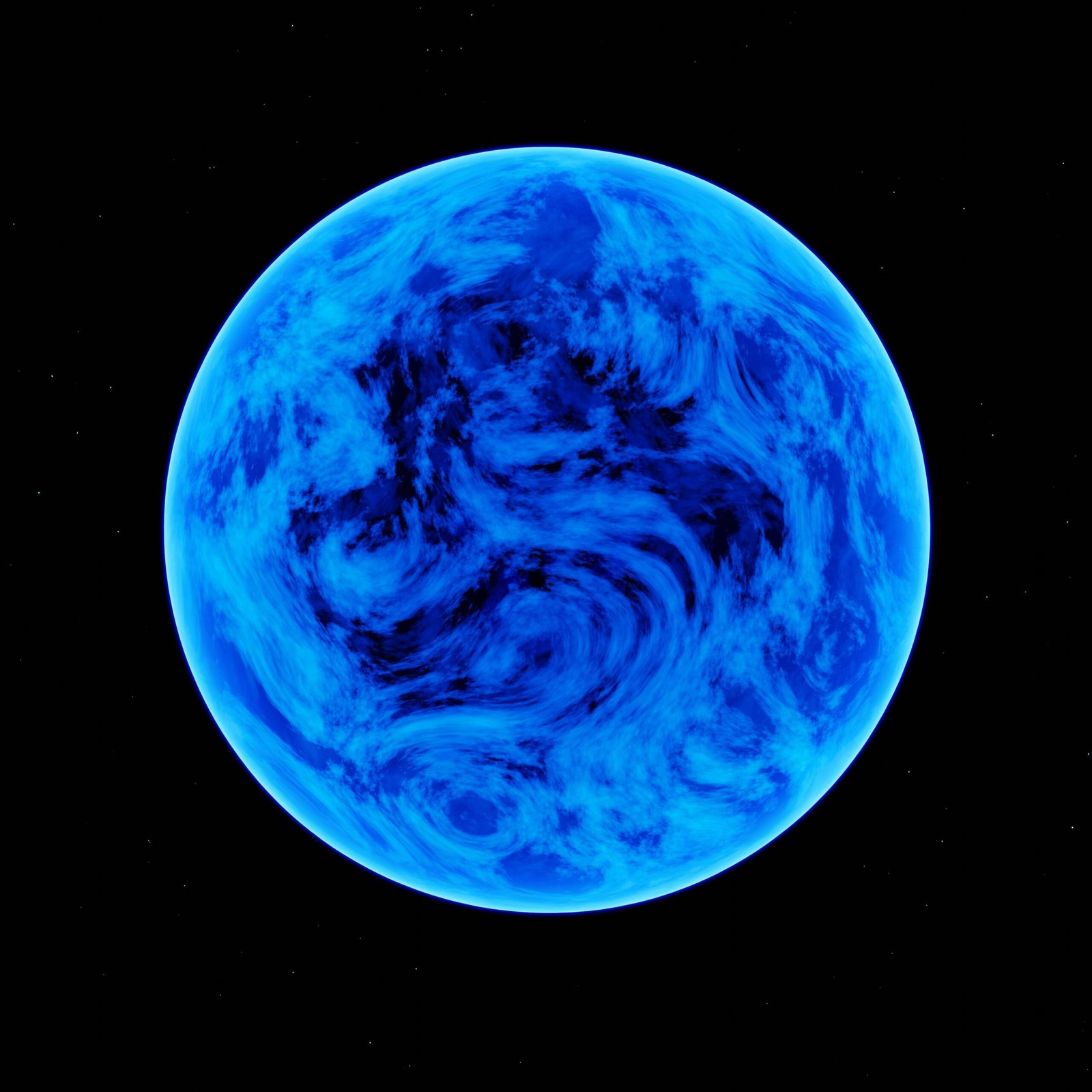
Scientists have uncovered new evidence suggesting that Neptune, the eighth and most distant planet in the Solar System, was struck by a Pluto-sized object billions of years ago. Researchers believe the massive collision destroyed several ancient celestial bodies that once orbited the planet.
James Webb Telescope Provides New Clues
The discovery is based on new observations made by NASA’s James Webb Space Telescope (JWST), which has provided fresh insights into Neptune’s ancient history.
Researchers say the findings offer valuable evidence about the planet’s early evolution and the violent events that shaped the outer Solar System.
Study Examined Neptune’s Moons and Rings
During the study, scientists closely examined Neptune’s three inner moons—Proteus, Larissa, and Galatea—as well as the planet’s faint, dusty ring system.
They identified mineral signatures typically found only in celestial bodies where rocks remained in contact with liquid water over long periods.
Evidence of a Powerful Impact
Lead researcher Riley Davis, a planetary scientist at the University of California, San Diego, said the discovery of magnesium-rich clay minerals strongly suggests that Neptune experienced a massive collision in its distant past.
According to the researchers, the impact likely shattered several ancient moons or other orbiting bodies, dramatically reshaping Neptune’s surrounding environment.
Unlocking the Solar System’s History
Scientists believe the findings could improve our understanding of how the Solar System formed and evolved billions of years ago.
The research may also help answer longstanding questions about the role of giant collisions in shaping planets, moons, and other celestial objects during the Solar System’s early history.
A New Era of Space Exploration
Researchers say the advanced capabilities of the James Webb Space Telescope continue to reveal previously hidden details about distant planets and their moons.
They believe future observations will provide even deeper insights into the origins of the Solar System and the processes that shaped the universe as we know it today.