Muhammad Amanullah — September 4, 2026
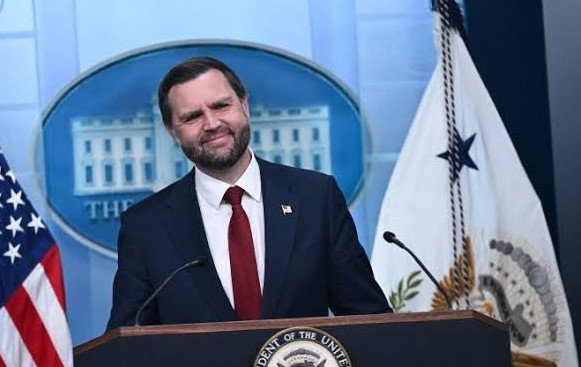
US Vice President JD Vance has said he does not know whether the ongoing war with Iran will be over by the time Americans head to the polls for the November midterm elections.
Speaking during a media briefing at the White House, Vance discussed US military operations against Iran, the situation in the Strait of Hormuz, global energy markets and Washington’s strategy to increase economic pressure on Tehran.
Vance said there was no definitive timeline for ending the current confrontation with Iran. He said the United States would continue taking measures to protect its interests and that all options remained on the table, although details of potential military and national security measures would not be made public.
China Expected to Cooperate
Vance claimed that China was prepared to cooperate with US efforts to economically isolate Iran.
He pointed out that China is a major purchaser of Iranian oil and said Beijing could therefore play an important role in Washington’s efforts to increase economic pressure on Tehran.
According to Vance, US pressure on Iran is not limited to military action but also includes measures on the economic front.
He said Iran’s oil revenues represent an important source of income for the country, making the international purchase and transportation of Iranian oil an important part of the US strategy to put pressure on Tehran.
Why Oil Prices Have Risen
The US vice president attributed part of the increase in oil prices to attacks involving Iranian oil tankers.
He said the continuing tensions in the Middle East and risks facing commercial shipping were affecting global energy prices.
Vance also claimed that despite the war, oil shipments through the Strait of Hormuz had returned close to pre-war levels.
According to the vice president, a significant volume of oil passed through the strategic waterway the previous day, indicating that energy shipments through the Strait had not been completely halted.
US Measures in the Strait of Hormuz
Vance said the United States was working extensively to address the situation in the Strait of Hormuz and was taking steps to protect commercial vessels travelling through the waterway.
He said Iranian attacks or threats against commercial shipping were one of the factors contributing to higher gas and oil prices.
Vance stressed that safe maritime traffic through the Strait of Hormuz was critical to maintaining stability in global energy markets.
He said Iran’s effective control over the strategic waterway had been significantly undermined, but added that a full return to normal conditions would require Tehran to stop firing on commercial and other vessels.
US Rules Out Talks With Iran for Now
Vance said the United States would not engage in talks with Iran unless the Iranian side stopped firing on ships.
He said Washington’s position on negotiations was clear and that Tehran would first have to take steps to ensure the safety of vessels travelling through the Strait of Hormuz.
The vice president reiterated that all options remained on the table regarding Iran, while stressing that details related to US national security and military strategy would not be disclosed.
US Will Not Allow Iran to Obtain Nuclear Weapons
Vance again made clear that the United States would not allow Iran to obtain nuclear weapons.
He said Iran’s nuclear capabilities remained a fundamental concern in US policy and that Washington was maintaining its position on the issue.
According to Vance, the US objective is to prevent the threat posed by Iran’s nuclear capabilities, and no potential course of action has been completely ruled out.
Denial of Targeting Civilians
Asked about reports of an alleged attack on a wedding ceremony in Iran, Vance denied that US military operations deliberately target civilians.
He said the United States never intentionally targets civilians in its military operations.
Vance also expressed doubts about reports concerning the incident carried by Iranian state media, saying US Central Command was investigating the matter.
He said clearer information about the incident would become available once the investigation was completed.
War and US Politics
Vance’s comments come as the November midterm elections in the United States draw closer.
Questions have been raised about how long the war with Iran could continue and what impact the conflict could have on the US economy, energy prices and domestic politics.
However, the vice president declined to say whether the war would end before the midterm elections.
He said it was impossible to predict when the conflict would end, adding that the United States was continuing to adjust its policies and military actions according to developments on the ground.
Vance said oil shipments through the Strait of Hormuz were continuing and that the United States was taking measures to protect commercial vessels.
He said the threats facing shipping from Iran needed to end in order to reduce pressure on global energy supplies and prices.
The US vice president maintained that Washington’s position on Iran had not changed. Preventing Tehran from obtaining nuclear weapons remains a major US priority, while ensuring the security of maritime traffic through the Strait of Hormuz and maintaining global energy supplies are also key elements of the American strategy.