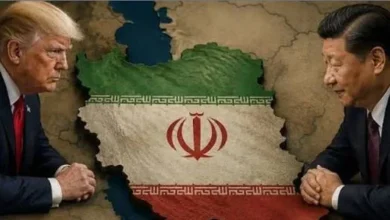
Global oil prices have stabilised after US President Donald Trump indicated a reduced likelihood of further military strikes against Iran. However, concerns over escalating tensions in the Middle East and attacks on ships near the Strait of Hormuz continue to raise fears of disruptions to international oil supplies.
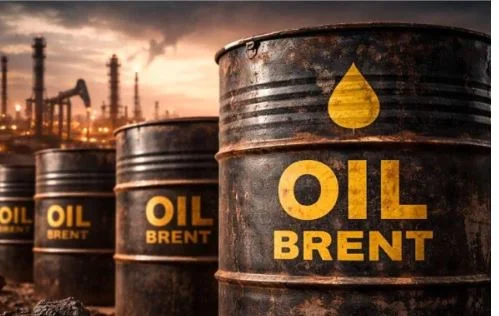
Brent crude recorded a slight increase of three cents, reaching $98.35 per barrel. Meanwhile, US West Texas Intermediate (WTI) crude rose by 0.5 per cent to $91.30 per barrel.
Brent Crude Records Major Weekly Decline
According to the report, Brent crude prices fell by 16 per cent over the previous week, marking their largest single-week decline since the beginning of the COVID-19 pandemic.
The recent stabilisation has been linked to Trump’s comments and growing expectations that tensions in the Middle East could ease.
However, market analysts have cautioned that stable prices should not be interpreted as a sign that regional risks have disappeared.
Attacks on commercial vessels near the Strait of Hormuz and threats to major shipping routes continue to create uncertainty over the global supply of crude oil.
Middle East Risks Remain High
Sugandha Sachdeva, founder of New Delhi-based research firm SS WealthStreet, said diplomatic developments had raised hopes of progress, but geopolitical risks in the Middle East remained elevated.
She warned that the possibility of renewed military escalation could not be ruled out.
According to Sachdeva, global oil markets are currently pricing in a relatively optimistic possibility of reduced tensions, even though the United States and Iran have yet to reach a comprehensive agreement.
Diplomatic Progress Could Ease Pressure on Oil Prices
Market experts say successful diplomatic efforts between Washington and Tehran could help reduce pressure on oil prices.
However, any fresh military action or further attacks on vessels near the Strait of Hormuz could trigger renewed volatility in international energy markets.
The Strait of Hormuz is one of the world’s most important energy shipping routes, carrying substantial volumes of crude oil and other energy products to markets across the globe.
Any major disruption to traffic through the strategic waterway could affect international oil supplies and push prices sharply higher.
For now, markets appear to be balancing hopes of diplomatic progress against the continuing risk of a wider regional conflict.