

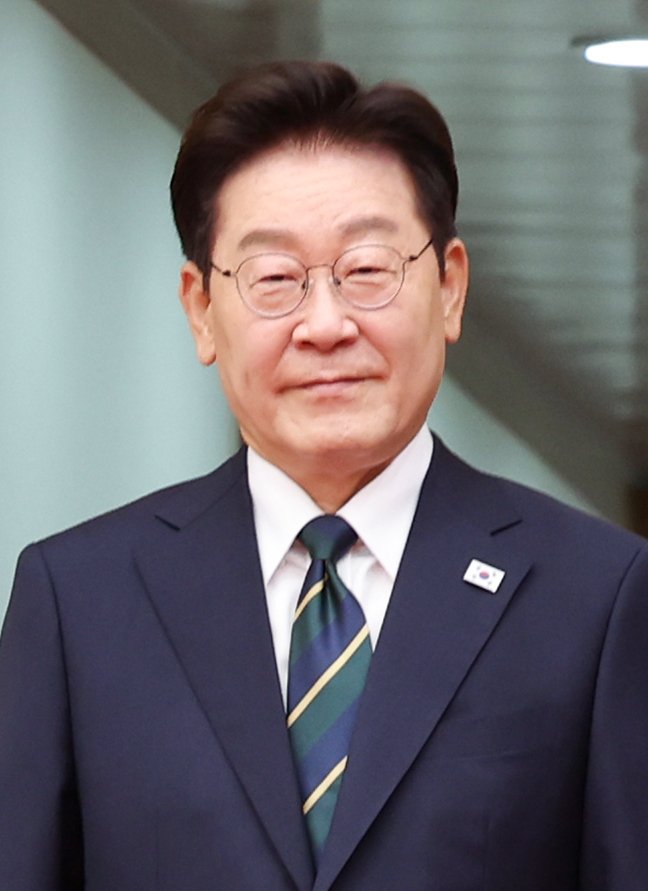
South Korean President Lee Jae Myung reshuffled his cabinet on Monday, nominating former justice minister Kang Kum-sil to lead the National Intelligence Service in a sweeping overhaul of the country’s foreign affairs and security leadership.
If appointed, Kang would become the first woman to head South Korea’s spy service since its predecessor, the Korean Central Intelligence Agency, was created in 1961. She would replace current spy chief Lee Jong-seok as the second intelligence chief of Lee’s administration.
A First for the Intelligence Service
Kang served as Korea’s first female justice minister under the liberal Roh Moo-hyun administration, after spending 13 years as a judge. She later opened a private legal practice and was active as vice president of Lawyers for a Democratic Society. Since early this year she has served as the government’s global climate and environment ambassador.
Presidential chief of staff Lim Kwang-hyun announced the nominations at a briefing at the presidential office in Seoul. He said Kang was chosen because of her firm commitment to maintaining the neutrality of state institutions, and called her the ideal candidate to strengthen democratic oversight of the intelligence service and to address emerging security challenges, such as cyber threats, through international cooperation.
Foreign and Unification Ministers Replaced
Lim Woong-soon, the second deputy national security adviser, was named foreign minister, replacing Cho Hyun. Hong Ihk-pyo, a former lawmaker, was nominated as unification minister to lead Seoul’s ties with North Korea.
The president also named Democratic Party Representative Han Jun-ho as minister of the interior and safety, and senior presidential spokesperson Kang Yu-jung as minister of culture, sports and tourism.
Focus on the United States Alliance
The reshuffle is being read as a signal that Lee intends to tighten his grip on foreign and security policy and to better manage the alliance with Washington. Lim said the changes would bring fresh, forward looking leadership into state affairs, speed up policy execution, and help the public feel the results.
Cabinet and spy chief nominees must go through parliamentary nomination hearings, but they do not face confirmation votes.
The reshuffle also followed the acceptance of the education minister’s resignation the previous day, with the presidential office saying it would speed up the selection of a successor.

