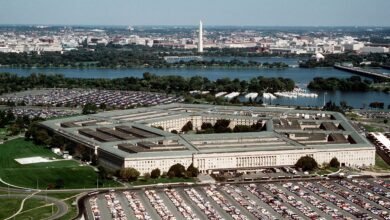
The United States has imposed new restrictions on military cooperation with Canada in a classified Pentagon memo, the Washington Post reported on Friday, in the latest sign of strain between the two longtime allies.
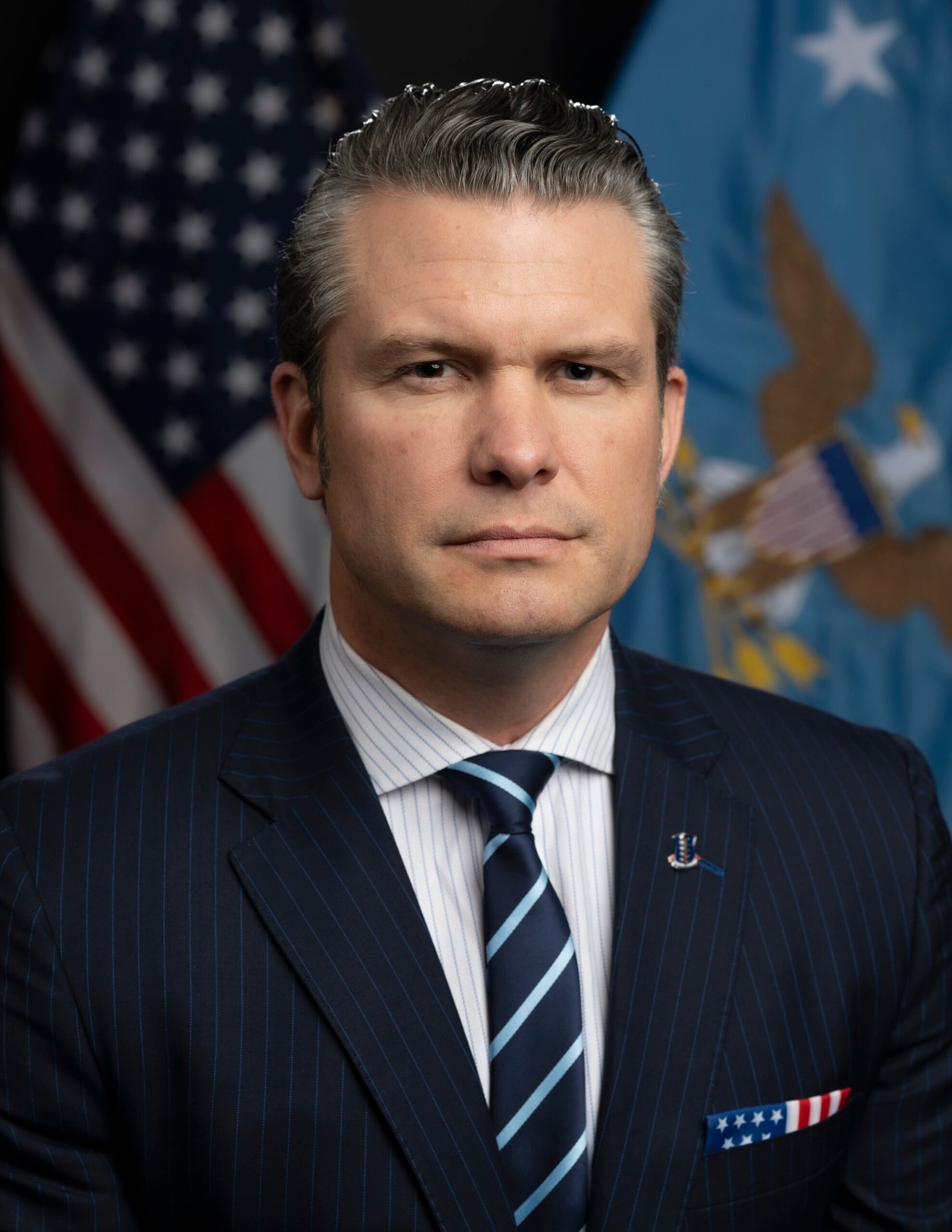
The memo was circulated last week by Defense Secretary Pete Hegseth and sets out limits on certain forms of contact between the two countries’ military officials, according to officials familiar with the directive who spoke to the newspaper on condition of anonymity. The Post said it had not seen the memo itself.
What the memo covers
One official told the newspaper the move was sure to be seen as a “slap in the face” to Canadians and raised questions about how the two militaries’ interaction would be curtailed.
Pentagon spokesman Sean Parnell said the department is taking steps to ensure its engagements with Canada advance tangible U.S. defense objectives and support what he called a reinvigorated defense relationship.
Parnell stressed that the guidance does not affect defense intelligence cooperation, the two countries’ joint North American Aerospace Defense Command, known as NORAD, or their cooperation through NATO.
Ottawa says it has seen no change
Canada’s Defence Minister David McGuinty said on Saturday that he had not seen the document and had detected no change in military cooperation.
Speaking to reporters on the sidelines of the Halifax International Security Forum, McGuinty said Canadian and American forces continue to work closely together, including Canadian vessels working alongside American ships to intercept drug trafficking in the Caribbean.
“I’ve checked with our top military officials. They’ve seen no evidence of change,” McGuinty said. “As far as we’re concerned, it’s business as usual.”
Republican U.S. Senator Mike Rounds, who was also in Halifax, said the memo mainly limits flag officer meetings to those that advance U.S. defense objectives and requires permission for think tank events or social engagements. He said it has no operational impact on U.S. personnel in Canada and does not affect NORAD, NATO operations or the Five Eyes intelligence sharing partnership.
A relationship under strain
The report comes as relations between Washington and Ottawa remain tense over a trade dispute and President Donald Trump’s repeated threats to make Canada the 51st U.S. state. Trump again accused Canada of unfair trade practices at a White House news conference shortly before the memo was reported.
Democratic Senator Tim Kaine called the directive’s tone “bad” and “unnecessary”, while Senator Chris Coons said the United States should do nothing to further aggravate the distance between the two close allies.
McGuinty said Canada decided 18 months ago to diversify its military relationships and now aims to buy less hardware from the United States, produce more at home and partner with like minded countries where it cannot.
He pointed to more than 70 years of military cooperation between the two countries and said that, as far as Ottawa is concerned, the defense relationship remains strong.