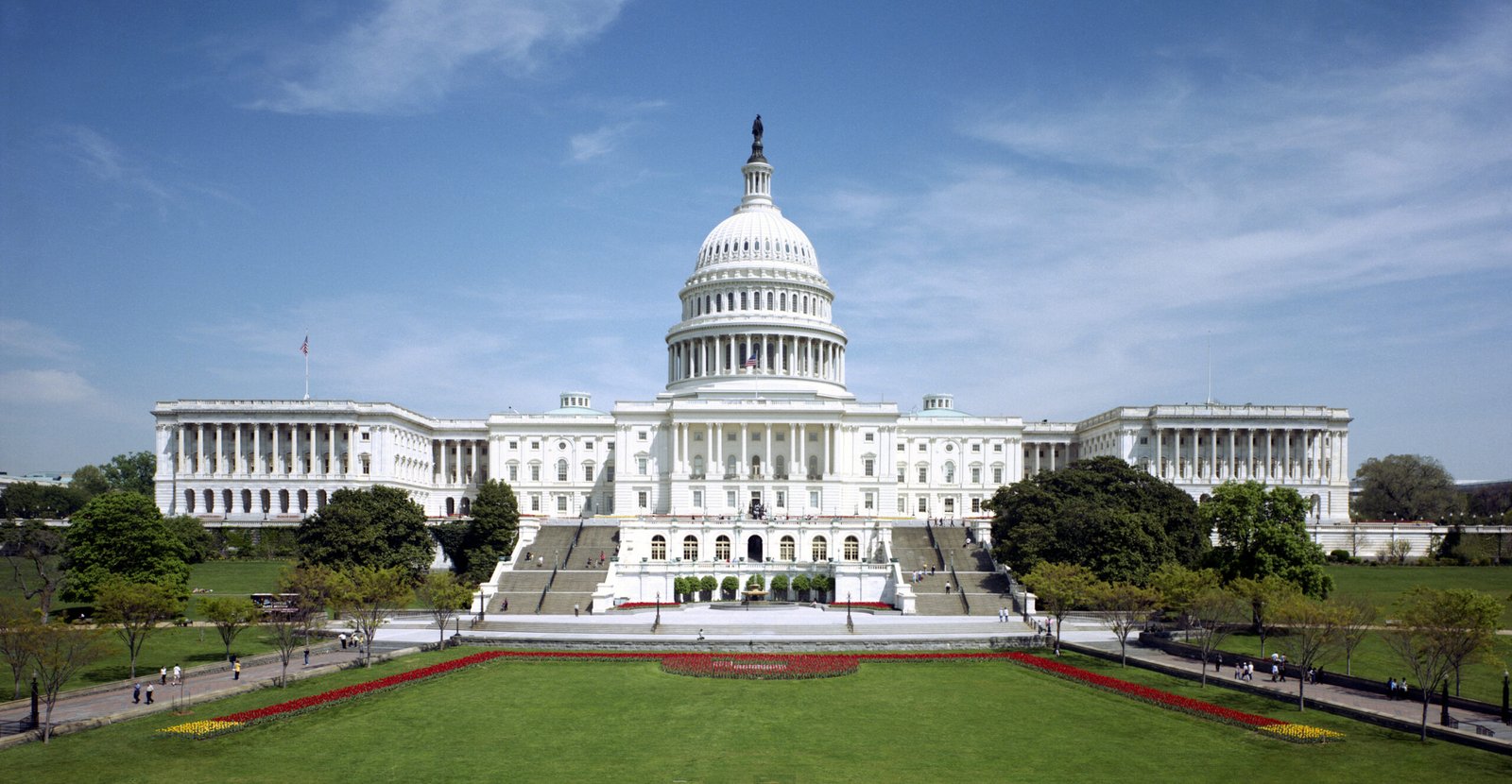
The United States Senate has passed a sweeping bipartisan bill to speed up approvals for large energy projects, including power plants, transmission lines and data centres, in a vote of 62 to 33 on Thursday.
The Bipartisan American Affordability and Jobs Act, known as BAAJA, now heads to the Republican controlled House of Representatives. It is the most significant effort in years to ease the permitting bottlenecks blamed for rising energy costs, and the first major action by Congress since the midterm elections.
What the Bill Would Change
The bill would set tighter deadlines for federal environmental reviews and speed up planning and construction of transmission lines. It would also limit the circumstances in which permits can be revoked or challenged in court. The changes reach several bedrock environmental laws, including the National Environmental Policy Act, the Clean Water Act and the Endangered Species Act. The legislation reforms the Federal Energy Regulatory Commission’s backstop authority over interstate transmission lines and removes the Energy Department’s National Interest Electric Transmission Corridor framework. Supporters say the changes will give businesses greater certainty, because one administration will no longer be able to easily reverse permits approved by a previous one.
Data Centres Must Pay Their Share
A central part of the bill addresses the surge in electricity demand driven by artificial intelligence. Large AI data centres would have to cover a greater share of the grid upgrade costs linked to their power needs, and grid operators would be barred from shifting those incremental costs on to other customers. The bill was written by two Democrats and two Republicans, and won the support of 15 Democrats, including Senate Minority Leader Chuck Schumer. Two Republicans, Josh Hawley of Missouri and Mike Rounds of South Dakota, voted against it. “Tonight, the passage of permitting reform in the Senate finally became reality and we took a major step towards addressing the affordability concerns of the American people,” said Senator Shelley Moore Capito of West Virginia, one of the bill’s authors.
Critics Warn of Weaker Protections
Environmental groups say the bill weakens protections for clean air and water while making it easier to approve oil and gas projects and energy hungry data centres. “Make no mistake: This backroom deal will pave the way for even more fossil fuel projects like gas power plants for data centers, oil and gas pipelines and liquefied natural gas terminals while sacrificing fundamental and common sense public health and environmental protections,” said Jen Duggan, executive director of the Environmental Integrity Project. Supporters, including Senator Martin Heinrich of New Mexico, one of the Democratic authors, argue the bill will also speed up solar, wind and battery projects and bring down energy costs for ordinary Americans.
What Happens Next
The bill now goes to the House, which approved a more limited, industry friendly version last year. The Senate authors had hoped to pass the legislation before a new Congress begins in January. President Donald Trump has endorsed the bill, saying it would ensure the United States can build pipelines, mines and power plants more quickly while lowering energy costs for American families. If the House changes the Senate version, the Senate would have to vote again before the bill can reach the president’s desk.