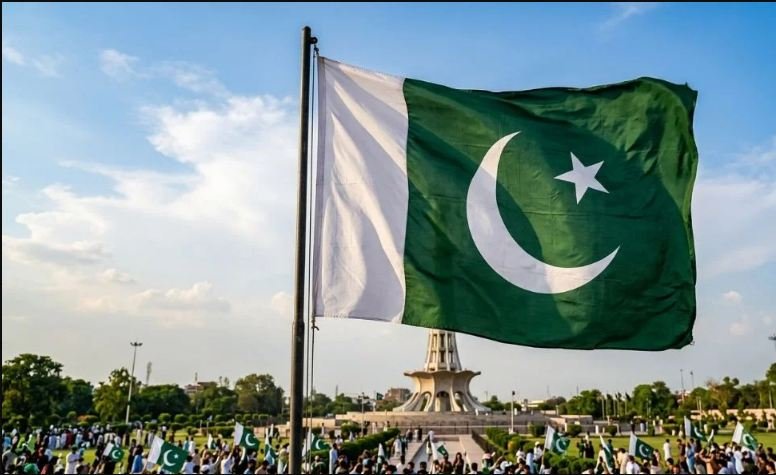
The True Post (Muhammad Amanullah) Foreign affairs experts and defense analysts have strongly rejected the narrative by some quarters that Pakistan is a “subordinate” or “subordinate” state of the United States, calling it untrue and misleading.
They say that historical evidence and strategic facts refute this claim. According to analysts, Pakistan is the only Islamic country in the world that not only acquired nuclear capability but also openly declared its defense sovereignty by conducting successful nuclear tests. This move reflects the determination of a sovereign country rather than a dependent state.
Moreover, the absence of permanent US military bases on Pakistani soil also weakens the impression that the country is under the influence of any external power. International defense experts have also admitted on several occasions that Pakistan’s military leadership makes independent decisions, putting national interests first. In the context of Afghanistan, some American analysts also admitted that one of the reasons for Pakistan’s failure to achieve US goals was its own strategic priorities and decisions, which were not always in line with Washington’s policy.
Pakistan’s foreign policy has also seen clear differences with the US on several occasions. Some allegations, such as possible nuclear cooperation with Iran, however controversial, reinforce the impression that Pakistan has taken an independent path in some matters.
At the regional level, Pakistan also faced challenges in which some rival countries were perceived to have the support of the United States, especially in the context of limiting the growing influence of China. In contrast, Pakistan further strengthened its defense and strategic relations with China, which reflects its independent foreign policy.
International observers, even some Indian defense analysts, describe Pakistan’s military as a well-organized and effective institution that plays a key role in the stability and unity of the country. According to experts, portraying Pakistan as a mere American “proxy” is not only contrary to reality but also tantamount to ignoring the complexities of global politics. They say that differences with Pakistan’s policies are possible, but they should be seen only in the context of sovereign decisions. Analysts stressed that for a serious dialogue, it is necessary to move beyond slogans and take into account the realities on the ground, because Pakistan’s policies clearly have an element of strategic autonomy, not subservience to any external power.
 Ishtiq Ahmed Send an email March 24, 2026