Baasma Wafa | June 16, 2026
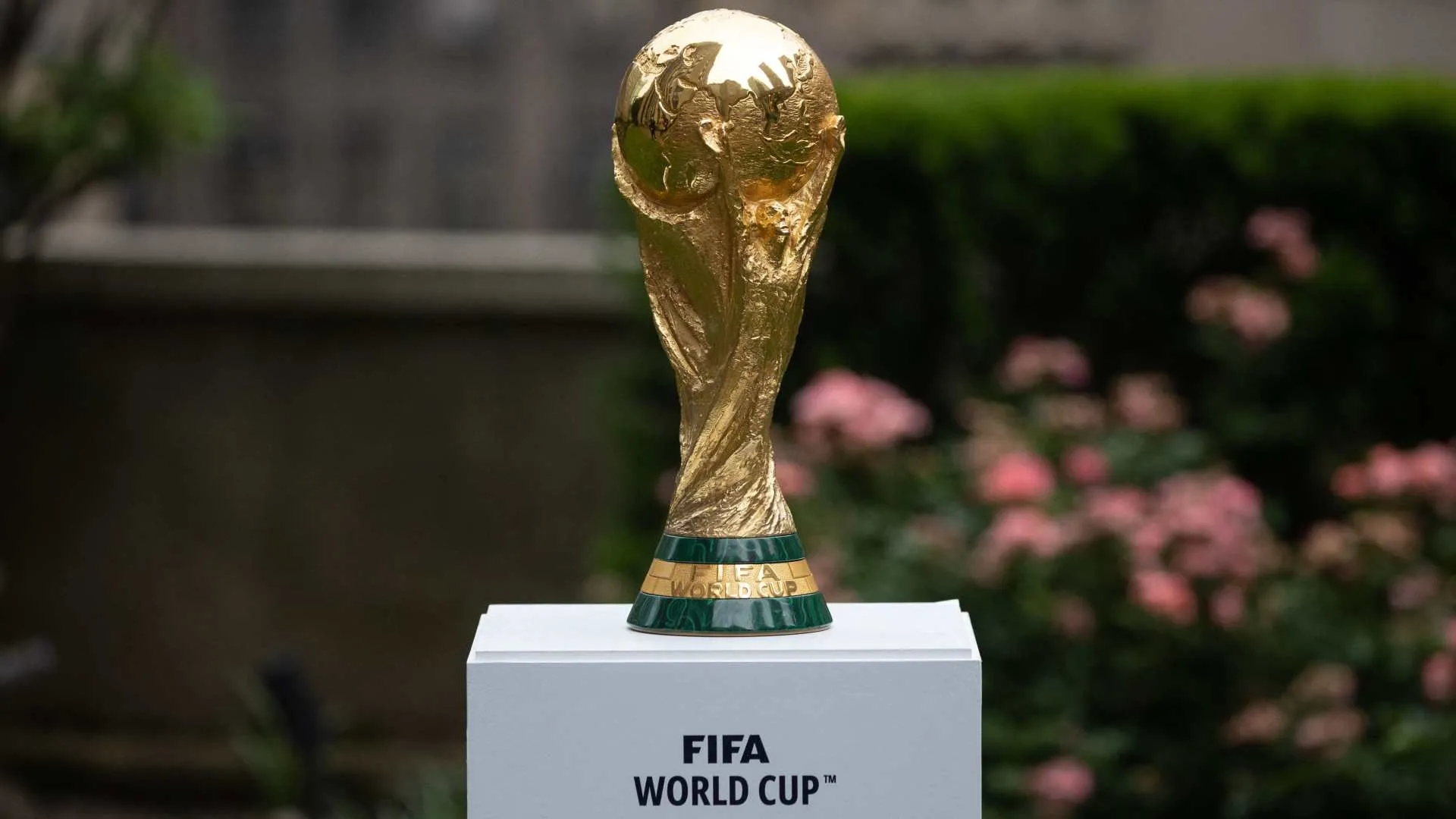
The True Post (Web News) Every four years, something remarkable happens. People who rarely watch football suddenly find themselves checking scores, discussing matches with friends, and staying awake late into the night to support their teams. For a few weeks, the FIFA World Cup becomes more than a sporting event. It becomes a shared global experience.
Most fans focus on what happens on the pitch, but the tournament’s influence stretches far beyond the game itself. Cities welcome waves of visitors, local businesses see increased activity, and entire communities come alive with a sense of excitement that is difficult to replicate. From crowded cafes to public viewing areas, the World Cup creates an atmosphere that turns ordinary places into gathering points for celebration.
What makes the competition truly special is its unpredictability. Unlike club football, where the biggest teams often dominate year after year, the World Cup regularly delivers surprises. Underdogs challenge giants, unknown players emerge as stars, and moments that seem impossible become part of football history. These unexpected stories are often what fans remember long after the trophy has been lifted.
For many countries, the tournament is about much more than winning. Simply qualifying can become a source of national pride. It offers smaller nations a chance to stand alongside football’s traditional powers and show the world what they are capable of. For millions of supporters, seeing their flag represented on the biggest stage is an achievement in itself.
The World Cup also has a unique way of creating memories that connect generations. Parents share stories of legendary matches with their children, while young fans experience unforgettable moments for the first time. Decades later, people may forget the details of a particular season, but they often remember exactly where they were when their country scored a famous goal or pulled off a historic victory.
In today’s fast moving digital world, it is rare for billions of people to focus on the same event at the same time. Yet the World Cup continues to do just that. It sparks conversations across continents, brings strangers together, and reminds us that sport can still create moments of genuine connection.
That is why the World Cup remains far more than a football tournament. It is a celebration of identity, hope, and shared experiences that reaches far beyond the boundaries of the game itself.