Baasma Wafa | June 19, 2026
The True Post (Web News) Global oil prices have fallen sharply this week as signs of de-escalation in the Middle East eased concerns over supply disruptions. The decline follows recent diplomatic developments involving Iran and the reopening of shipping traffic through the Strait of Hormuz, one of the world’s most critical energy corridors.
During the height of the crisis, fears that the Strait of Hormuz could remain closed sent oil prices soaring, as nearly 20 percent of global oil supplies pass through the narrow waterway. Markets reacted strongly to the possibility of prolonged disruptions, pushing Brent crude close to the $100-per-barrel mark earlier this month.
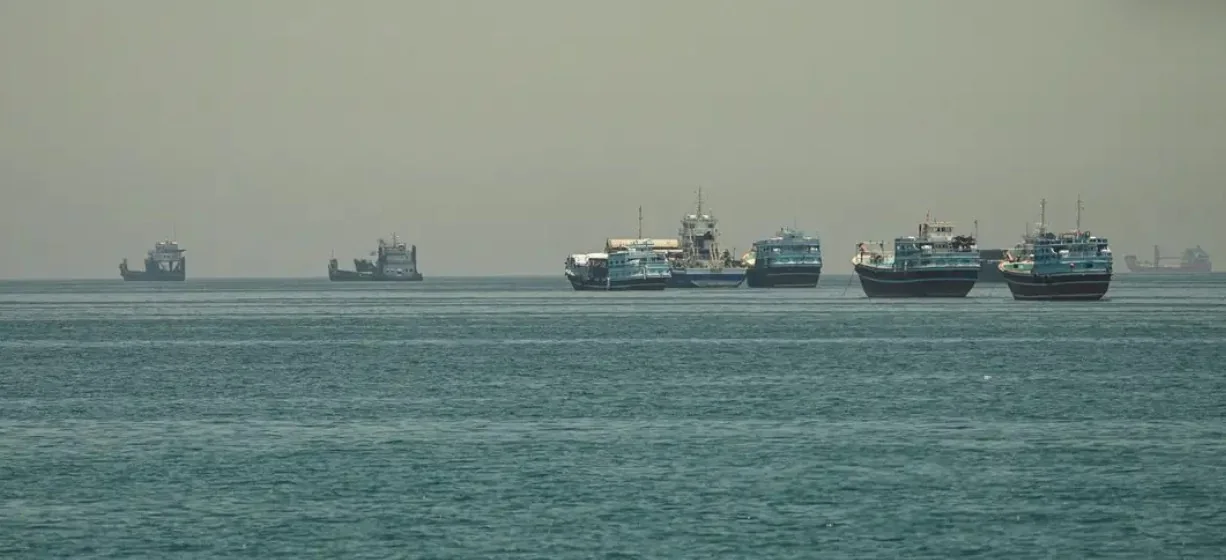
However, the situation has changed significantly in recent days. Following ceasefire agreements and renewed diplomatic engagement, oil tankers have resumed moving through the Strait of Hormuz. Shipping activity has increased, helping restore confidence in global energy markets and reducing fears of an immediate supply shortage.
Brent crude is now on track for one of its largest weekly declines in months, with analysts reporting an expected weekly drop of around 8–9 percent. The market is reacting to expectations that millions of barrels of previously stranded oil could soon return to international markets as regional tensions ease.
Energy experts believe that the reopening of the Strait of Hormuz could release substantial oil supplies that were delayed during the conflict. Several Gulf producers have already begun increasing exports, while Iranian oil shipments to Asian markets are gradually resuming.
Despite the positive market reaction, uncertainty remains. Iran has introduced new regulations governing vessel transit through the Strait, creating concerns among shipping companies and insurers. Any renewed geopolitical tensions or disruptions could quickly reverse the current downward trend in oil prices.
For oil-importing countries such as Pakistan, lower crude prices could provide relief from inflationary pressures. Reduced fuel costs may help stabilize transportation expenses, manufacturing costs, and consumer prices if the downward trend continues in the coming weeks.
Looking ahead, investors will closely monitor diplomatic negotiations, shipping activity in the Gulf, and the pace of oil exports returning to global markets. While current indicators point toward greater stability, the Middle East remains a key factor influencing global energy prices and economic confidence.
The latest developments highlight how quickly geopolitical events can impact energy markets. As tensions ease and supply routes reopen, oil prices are moving lower, offering temporary relief to consumers and businesses worldwide while reminding markets of the strategic importance of the Strait of Hormuz.