![]New Era of Global Alliances](/wp-content/uploads/2026/07/Why-the-World-Is-Entering-a-New-Era-of-Global-Alliances.jpg)
Baasma Wafa | July 02, 2026
The True Post (Web News) For decades, the global order was largely shaped by a handful of powerful alliances that emerged after the Second World War and later evolved during the Cold War. Today, however, the international landscape is changing at a pace not seen in generations. Countries are strengthening old partnerships, forming new strategic relationships, and redefining their national interests in response to an increasingly uncertain world.
From Europe to the Indo-Pacific and the Middle East, governments are adapting to a reality where security is no longer measured solely by military power. Economic resilience, access to technology, energy security, and supply chain stability have become equally important. This shift is creating a new era of global alliances that will influence international politics for years to come.
A World Facing Multiple Challenges
Unlike previous decades, governments are no longer dealing with a single dominant geopolitical issue. Instead, they face a combination of overlapping challenges that require cooperation across multiple fronts.
Armed conflicts continue to threaten regional stability, while economic uncertainty has placed pressure on governments to protect domestic industries and strengthen international trade partnerships. At the same time, cyber attacks, misinformation campaigns, and competition over emerging technologies have introduced entirely new dimensions to global security.
These challenges cannot be addressed by any one country alone. As a result, alliances are becoming broader, extending beyond military cooperation to include technology, infrastructure, intelligence sharing, climate initiatives, and economic investment.
NATO’s Expanding Role
One of the clearest examples of this transformation is the changing role of the North Atlantic Treaty Organization. Originally established as a military alliance, NATO has increasingly focused on responding to hybrid threats that include cyber warfare, digital infrastructure protection, and emerging technologies.
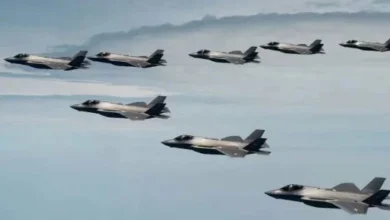
Member states have also increased defence spending as security concerns continue to evolve. Many European governments are investing in modern military capabilities while strengthening coordination with allies to improve collective readiness.
The alliance’s renewed focus demonstrates that modern security requires cooperation across multiple sectors rather than relying solely on conventional military forces.
The Indo-Pacific Is Becoming a Strategic Priority
While Europe remains a central focus of global politics, attention has increasingly shifted toward the Indo-Pacific region.
The region has become a critical center for international trade, semiconductor manufacturing, maritime commerce, and technological innovation. As competition between major powers intensifies, countries including Japan, Australia, India, and South Korea are expanding defence cooperation while strengthening economic partnerships.
Rather than choosing sides outright, many nations are pursuing balanced diplomatic strategies that allow them to maintain productive relationships with multiple global powers while protecting their own national interests.
This approach reflects a growing preference for flexibility instead of rigid political blocs.
The Middle East Is Redefining Regional Diplomacy
The Middle East has also entered a period of significant diplomatic change.
Countries that were once defined primarily by regional rivalries are increasingly pursuing economic cooperation, investment partnerships, and infrastructure development alongside traditional security arrangements.
Energy diversification, renewable investments, and large-scale development projects have encouraged governments to prioritize long-term economic stability in addition to political influence.
Although tensions remain in several areas, regional diplomacy has become more focused on practical cooperation than in previous decades.
Economics Is Driving Foreign Policy
International politics is no longer shaped only by military alliances.
Governments increasingly view economic strength as a foundation of national security. Access to critical minerals, advanced manufacturing, semiconductor production, artificial intelligence, and secure supply chains now influence foreign policy decisions as much as traditional defence concerns.
Trade agreements have become strategic tools rather than purely economic arrangements. Countries are seeking reliable partners capable of reducing dependence on vulnerable global supply networks while ensuring access to essential resources.
This economic dimension has fundamentally changed how alliances are formed.
Technology Has Become a Strategic Asset
Artificial intelligence, cybersecurity, quantum computing, and space exploration have become central to international competition.
Governments are investing billions of dollars to secure technological leadership while collaborating with trusted partners on research, innovation, and digital infrastructure.
Protecting sensitive technologies has become a major priority, leading many countries to introduce stricter investment screening and export controls.
Technology partnerships are now considered just as important as military agreements in determining long-term strategic influence.
Climate Security Is Reshaping Cooperation
Climate change has emerged as another factor influencing international alliances.
Extreme weather events, water shortages, food insecurity, and rising sea levels increasingly affect political stability and economic development.
Countries are cooperating on renewable energy projects, disaster preparedness, and sustainable infrastructure to reduce future risks.
Climate diplomacy has therefore become an important component of modern foreign policy, bringing together nations that may disagree on other political issues but share common environmental challenges.
The Rise of Flexible Partnerships
Perhaps the most noticeable feature of today’s geopolitical environment is the rise of flexible partnerships.
Rather than relying exclusively on permanent alliances, many countries now participate in issue-specific cooperation.
A government may collaborate with one group of nations on defence, another on trade, and yet another on climate or technology initiatives.
This flexible approach allows countries to adapt more quickly to changing global circumstances while preserving strategic independence.
It represents a significant departure from the rigid alliance structures that defined much of the twentieth century.
Challenges That Lie Ahead
Despite growing cooperation, significant challenges remain.
Geopolitical rivalry between major powers continues to create uncertainty for global markets. Regional conflicts still threaten international stability, while economic competition has intensified over access to resources and advanced technologies.
There is also growing concern about the fragmentation of global governance as countries increasingly prioritize national interests over multilateral institutions.
Balancing cooperation with strategic competition will remain one of the defining challenges of international politics during the coming decade.
Looking Toward the Future
The international system is entering a period of profound transformation.
The alliances that emerge over the next several years will shape global security, economic development, technological innovation, and diplomatic cooperation for decades to come.
Success will depend not only on military strength but also on the ability of nations to build resilient economies, develop advanced technologies, respond to climate challenges, and maintain productive international partnerships.
As governments continue adapting to a rapidly changing world, global alliances will remain one of the most important forces influencing the future of international politics.