Muhammad Aman Ullah
July 30, 2026
WASHINGTON — Differences have reportedly emerged between senior U.S. military leaders and political officials over the future direction of military operations against Iran, according to American media reports. The disagreement centers on whether Washington should significantly expand its military campaign or adopt a more restrained approach to avoid a broader regional conflict.
The reported policy divide highlights growing debate within the U.S. administration as tensions in the Middle East continue to escalate.
Central Command Reportedly Supports Broader Military Action
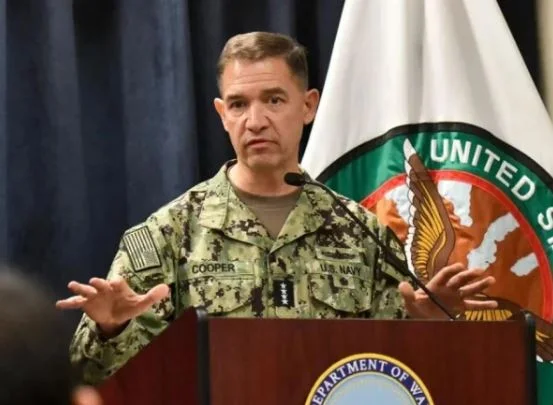
According to U.S. media reports, Admiral Brad Cooper, commander of U.S. Central Command (CENTCOM), has advocated for a broader air campaign against Iran.
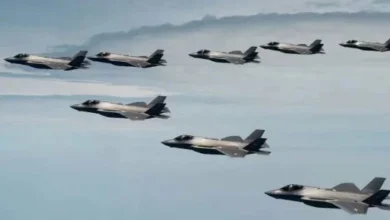
The reported proposal would involve sustained airstrikes over approximately two weeks, targeting Iran’s military infrastructure, strategic facilities, and defense capabilities in an effort to further reduce Tehran’s operational capacity.
Supporters of the strategy argue that maintaining military pressure could weaken Iran’s ability to threaten U.S. interests and regional allies.
Pentagon Officials Favor a More Cautious Approach
Other senior defense officials are reportedly urging greater restraint.
Reports indicate that Chairman of the Joint Chiefs of Staff General Dan Caine and U.S. Defense Secretary Pete Hegseth favor preserving key military assets, including missile interceptors, air defense systems, and weapons stockpiles.
Officials supporting the cautious approach reportedly believe that expanding military operations could strain American military resources and reduce readiness for future crises or larger conflicts.
Trump Expected to Make Final Decision
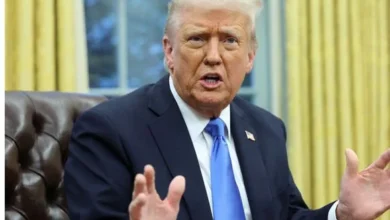
The reported differences have placed President Donald Trump in the position of deciding whether current military operations should remain limited or be expanded.
Analysts say the decision could significantly influence not only U.S. foreign policy but also the broader security environment across the Middle East.
Jordan Base Incident Adds to Tensions
The debate comes after President Trump signaled a strong response following reports of Iranian missile attacks targeting a U.S. military installation in Jordan.
In a television interview, Trump claimed that U.S. air defense systems intercepted the incoming missiles within minutes and emphasized that the United States would take all necessary measures to protect its military personnel and national interests.
Regional Impact
Defense analysts believe the reported strategic disagreements reflect the complexity of Washington’s decision-making process regarding Iran.
A larger military campaign could further escalate tensions across the Middle East, while advocates of a restrained strategy argue that limited military action combined with diplomatic pressure may better serve long-term U.S. interests.
Attention is now focused on President Trump’s next move, which could shape the future balance of power in the region.