

Muhammad Amanullah | August 9, 2026
Iran has presented six major conditions to the United States for the full reopening of the Strait of Hormuz, making it clear that normal maritime traffic will not be fully restored unless Washington changes its policies toward Tehran.
Mohammad Bagher Zolqadr, Secretary of Iran’s Supreme National Security Council, said the full reopening of the strategic waterway would depend on U.S. actions and behavior.
Iran has also emphasized that it will not abandon its core positions or national interests, whether the situation develops through negotiations or continued conflict. Recent reports also confirm that Tehran has linked the reopening of the strait to demands including an end to threats, compensation for war damages and the lifting of sanctions.
What Are Iran’s Six Conditions?
1. End Threats Against Iran
Iran’s first demand is that the United States stop threatening Iran and refrain from using threatening or insulting language against the Iranian nation.
Tehran has made clear that it does not want continued threats to be part of any future diplomatic relationship with Washington.
2. Permanently End the War
Iran has demanded a permanent end to the war and military actions against Iran and its regional allies.
Tehran’s position is that a temporary ceasefire would not be sufficient. Iran wants an arrangement that prevents military operations from being resumed.
3. End the Naval Blockade
The third condition concerns the lifting of the naval blockade around Iran.
Iran wants restrictions on its maritime movement removed and U.S. military pressure around the Strait of Hormuz reduced.
4. Withdraw U.S. Forces
Iran is also demanding the withdrawal of U.S. military forces from areas surrounding Iran.
According to Tehran’s position, the continued presence of American naval and air forces in the region represents a security threat and must be reduced for the situation around the Strait of Hormuz to return to normal.
5. Compensation for War Damages
Iran’s fifth demand is full compensation for damage it says it suffered during the conflict.
Tehran has called for the damages to be compensated without reductions or additional conditions. Recent reporting has also identified compensation as one of the central Iranian demands linked to reopening the waterway.
6. Lift Sanctions and Release Frozen Assets
Iran’s sixth condition is the lifting of U.S. sanctions and the unconditional release of frozen Iranian assets.
Tehran argues that the sanctions imposed on Iran are unjust and should be removed as part of any broader settlement.
Hormuz Will Not Fully Reopen Without U.S. Action
Zolqadr has warned that the Strait of Hormuz will not be fully reopened unless the United States changes its current behavior.
Iran’s leadership has maintained that it will not abandon its fundamental positions under pressure, whether negotiations continue or the conflict remains unresolved.
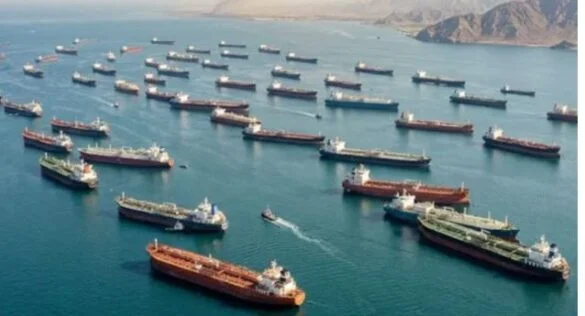
The Strait of Hormuz is one of the world’s most strategically important waterways. A significant share of global oil and LNG shipments passes through the strait, meaning prolonged restrictions on shipping can affect energy prices, international trade and the global economy.
Oman Talks on Temporary Shipping Route
At the same time, Iran and Oman have been negotiating a temporary maritime arrangement that could allow some shipping through the Strait of Hormuz.
Iranian Foreign Minister Abbas Araghchi has indicated that discussions with Oman are nearing an agreement on a temporary shipping route. Reuters reported on August 9 that the maritime arrangement was in its final stages.
However, Tehran has emphasized that an agreement on a temporary route would not automatically mean that the Strait of Hormuz has been fully reopened.
Iran considers the wider political and economic conditions with the United States to be separate from the temporary maritime arrangement.
Iran Seeks Resolution of Previous Disputes
Iran has also accused the United States of violating previous understandings between the two sides.
Tehran’s position is that Washington must first address those alleged violations before a broader agreement can be reached.
Iranian officials have repeatedly emphasized that any future arrangement should be based on mutual commitments, guarantees and implementation of previously agreed terms.
Hormuz Becomes Key Issue in U.S.-Iran Diplomacy
The latest Iranian conditions have made the future of the Strait of Hormuz a central issue in the diplomatic efforts between Tehran and Washington.
On one side, Iran and Oman are working toward a possible temporary arrangement for maritime traffic. On the other, Tehran is demanding broader political and economic changes before agreeing to fully restore normal shipping.
The situation remains highly significant for global energy markets because continued restrictions on one of the world’s most important energy routes could have consequences far beyond the Middle East.
The coming days may therefore determine whether the temporary maritime arrangement with Oman develops into a broader agreement or whether the six Iranian conditions become a major obstacle to the full reopening of the Strait of Hormuz.
