Muhammad Amanullah — September 4, 2026
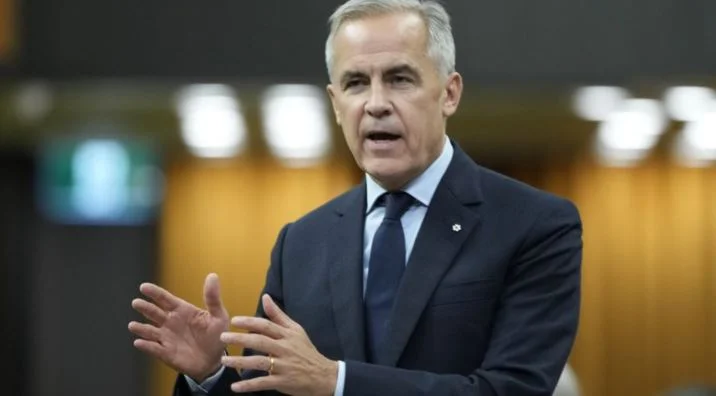
Canadian Prime Minister Mark Carney has rejected recent statements by members of the US cabinet regarding the collapse of trade negotiations between Canada and the United States, saying unelected American ministers are not experts on Canadian domestic politics.
Carney said Canada did not withdraw from trade negotiations with the United States last month for political reasons. Instead, he said, Ottawa pulled its negotiating team back after Washington introduced a number of last-minute conditions that Canada considered contrary to its national interests.
Carney made the remarks on Thursday while speaking in Thunder Bay, Ontario. He stressed that Canada remained prepared to negotiate a trade agreement with the United States, provided that any deal served the interests of both countries and remained sustainable over the long term.
Canada Withdraws From Talks
According to the Canadian government, the United States proposed several changes during the final stage of negotiations on the night of August 21 that Ottawa considered unfair and economically damaging.
Carney and Canada’s chief trade negotiator, Janice Charette, have repeatedly argued that some of the US demands could have restricted Canada’s ability to negotiate trade agreements with other countries in the future.
The Canadian government has also said the proposed changes could have affected policies designed to protect the French language as well as Canadian and Quebec culture. Ottawa also expressed concern that the measures could weaken the competitiveness of Canada’s automotive industry over the longer term.
US Ministers Present a Different Account
US Commerce Secretary Howard Lutnick rejected the Canadian government’s explanation last week, arguing that the trade talks did not break down because of last-minute American conditions.
Instead, Lutnick said Canada had decided to step away from the negotiations for political reasons.
He also rejected Canada’s reference to French-language and cultural protections, saying the United States had not raised those issues during the negotiations in the manner described by the Canadian government.
According to Lutnick, the French-language issue was politically constructed and used in connection with Quebec’s future politics and efforts to create a political environment favourable to federalism in Canada.
US Trade Representative Disagrees With Ottawa
US Trade Representative Jamieson Greer has also disputed Canada’s account of how the negotiations ended.
Greer said Canada had introduced additional demands and concerns during the final stage of the talks that Washington found difficult to accept.
He argued that Ottawa had presented additional requests during the negotiations that the United States considered excessive.
Carney Responds
Carney rejected the US officials’ version of events, saying Washington had established firm red lines on several issues during the negotiations and had continued to communicate until the final stages that Canada would have to accept those conditions.
The prime minister said statements now being made by American officials differed from the positions taken by the United States during the negotiations.
Carney stressed that Canada would protect its national interests regardless of the pressure surrounding the talks.
Protection of the French Language
The Canadian prime minister also made clear that Canada must retain its right to protect the French language and Canadian culture, particularly Quebec’s cultural identity.
He described these as fundamental issues for Canada and said his government would not compromise on them.
Carney said Canada had the full right to establish policies aimed at protecting its language and culture.
Trade With Other Countries
Carney also stressed that Canada would not surrender its ability to negotiate trade agreements with other countries while maintaining its sovereignty.
He said Canada could not accept an agreement that would prevent it from establishing independent trade relationships with other nations in the future.
The issue is particularly important as Canada continues to diversify its international trade relationships and reduce its dependence on any single market.
Protecting the Automotive Sector
Canada’s automotive industry has also remained a major issue in the trade negotiations.
Carney said that given the current global trading environment, Canada needed an agreement that would allow its automotive, steel and aluminium industries to remain competitive.
He said Canada was not expecting to simply return to the type of trade arrangement that existed in the past. However, he stressed that any new agreement must establish conditions under which Canadian industries could compete in the US market as well as internationally.
Trump Issues Strong Response
Following Carney’s remarks, US President Donald Trump also issued a strong response on social media.
Trump accused the Canadian prime minister of portraying him as an enemy for political advantage.
The US president warned that if the Canadian economy suffered as a result of the ongoing trade dispute, the political situation could become more difficult for Carney.
Door Remains Open for Negotiations
Despite the continuing disagreements, Carney made clear that Canada remained willing to return to negotiations with the United States.
However, he said renewed talks would require Washington to recognise Canada’s fundamental interests and respect the red lines established by Ottawa.
Carney said Canada wanted a durable trade agreement that would benefit both countries and prevent the spirit of the deal from being undermined through sudden new tariffs or trade restrictions in the future.
He said Canada was ready to return to the negotiating table, but the United States would also have to respect Canada’s national interests, cultural protections, trade sovereignty and concerns surrounding key industrial sectors.