Muhammad Amanullah
September 7, 2026
Iran has announced plans to establish a new restricted maritime zone outside the Strait of Hormuz, raising concerns that the already tense maritime situation in the region could become more sensitive.
Iranian senior security official Mohsen Rezaei said the formal announcement regarding the new maritime zone would be made within the next few days.
Speaking to Iranian state media, Mr Rezaei said the proposed restricted zone would be established outside the Strait of Hormuz and would extend into additional areas of the Gulf.
According to him, the zone would begin at the point where a blockade line established by the US Navy is currently located.
Iran moves to establish new maritime zone
The Iranian official said Tehran was taking practical steps to establish the new restricted maritime zone and that further details would be announced in the coming days.
Mr Rezaei clarified that vessels entering the proposed zone would not necessarily face direct action. Instead, Iran would place such vessels on a sanctions list.
He said any vessel entering the designated area could face sanctions from Iran.
The announcement is significant given the heightened tensions in the region and the strategic importance of the Strait of Hormuz to international trade and energy shipments.
Strategic importance of Strait of Hormuz
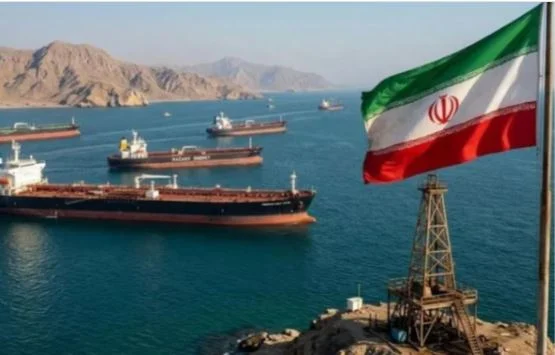
The Strait of Hormuz connects the Persian Gulf with the Gulf of Oman and the Arabian Sea and is one of the world’s most important maritime chokepoints.
A substantial share of global energy supplies passes through the waterway, meaning any major disruption or escalation in the area could affect international markets and global trade.
Security around the Strait of Hormuz has remained a particularly sensitive issue during periods of heightened tensions between Iran and the United States.
Against this backdrop, Iran’s plan to establish a restricted maritime zone outside the strait could lead to increased scrutiny of maritime activity and shipping movements in the region.
Warning for vessels
Mr Rezaei also issued a warning concerning vessels entering the proposed maritime zone.
According to the Iranian official, any vessel entering the new area would be placed on Iran’s sanctions list.
The statement comes at a time when naval deployments and maritime activities by several countries in the Gulf and around the Strait of Hormuz have made maritime security and monitoring increasingly important.
Iranian authorities have yet to provide full details regarding the exact boundaries of the proposed zone or how restrictions would be enforced.
However, Mr Rezaei’s remarks indicate that Tehran is preparing a formal mechanism to regulate maritime traffic in the designated area.
Iran working on new maritime route with Oman
The Iranian official also said Tehran was working with Oman on a new international maritime route.
Mr Rezaei said the proposed route had been determined following consultations with Omani officials and that further details would be released in the coming days.
Iran and Oman are both strategically located near the Gulf of Oman and the Strait of Hormuz and have maintained cooperation in areas related to maritime trade and regional connectivity.
The proposed new route could therefore become an important development in efforts to establish alternative arrangements for maritime traffic in the region.
Background to Iran-US tensions
Iran’s announcement comes as tensions between Tehran and Washington have already made the security environment in the Gulf highly sensitive.
US naval activities and Iran’s security measures in its coastal and maritime areas have contributed to increased monitoring of shipping routes.
Iran has long stressed the importance of protecting its maritime interests and territorial waters around the Persian Gulf and the Strait of Hormuz.
By establishing a new maritime zone, Tehran may seek to strengthen its maritime surveillance and increase its control over shipping movements in areas it considers strategically important.
The response from the United States and other regional countries will be closely watched as the details of the proposal emerge.
Potential implications for global energy markets
The Strait of Hormuz is critical to global energy supplies, with significant volumes of oil and gas transported through the waterway to international markets.
Any major disruption to maritime traffic could therefore have consequences for global energy markets.
Analysts have warned that a further escalation in regional tensions could put upward pressure on oil prices, shipping costs and insurance premiums.
The practical impact of Iran’s proposed maritime zone, however, will depend largely on its final boundaries, enforcement mechanism and the response of other countries.
Next few days could be significant
According to Mr Rezaei, further details about the new restricted maritime zone and the international maritime route agreed upon with Oman will be announced within the next few days.
Following the announcement, shipping companies, vessels operating in the region and the wider global maritime industry are expected to closely monitor the proposed zone’s boundaries and the way Iran intends to enforce its restrictions.
Iran’s move is likely to be viewed not simply as an administrative maritime measure but also in the broader context of geopolitical and security tensions in the region.
If implemented, the new zone could affect maritime traffic rules, the movement of commercial vessels and the activities of foreign naval forces operating in the Gulf.
The final implications will become clearer after Iran formally announces the maritime zone, specifies its boundaries and outlines its enforcement mechanism, as well as after the United States, Oman and other relevant countries respond to the proposal.