Muhammad Amanullah — September 17, 2026
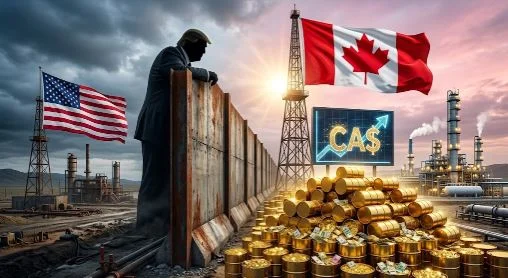
US President Donald Trump’s heavy tariffs on Canadian products have created economic challenges for Canada, but the renewed rise in global oil prices amid conflict in the Middle East could provide an unexpected financial boost to the country.
Higher crude oil prices could increase revenues for Canada’s energy sector and governments, potentially offsetting some of the economic damage caused by US tariffs.
Billions of Dollars in Tariffs
The Canadian economy is already facing pressure from US trade policies.
President Donald Trump has targeted approximately US$27.6 billion worth of Canadian products with tariffs, affecting businesses, consumers and exporters across several sectors.
At the same time, however, rising global oil prices have created a potential new source of revenue for Canada.
The United States obtained more than 60 per cent of its crude oil imports from Canada last year, meaning higher global oil prices could provide a significant boost to Canada’s energy sector.
Middle East Conflict Sends Oil Prices Higher Again
Global crude oil prices had started declining after tensions between Iran and its opponents eased.
During the summer, Brent crude rose above US$100 per barrel before falling to around US$72 per barrel by the end of July.
However, renewed fighting in the region and actions by groups allied with Iran have once again shaken global energy markets.
When trading began on Friday, Brent crude had climbed to approximately US$110 per barrel.
If elevated oil prices persist, Canada’s energy industry could generate significantly higher revenues.
Impact on Alberta’s Finances
Higher oil prices could have one of their most significant effects on oil-producing provincial economies, particularly Alberta.
Economists say stronger global oil prices can increase government revenues through royalties and other sources linked to the energy sector.
The Alberta government had previously projected a budget deficit. However, the renewed increase in oil prices could change the province’s fiscal outlook.
Additional energy revenues could help reduce the deficit or potentially contribute to a move toward a budget surplus in the future.
Saudi Arabia Faces Challenges
Another important aspect of the current situation in global oil markets is the pressure facing Saudi Arabia.
A significant portion of Saudi oil production is located in the country’s eastern region, close to the Persian Gulf, where the risk of drone and missile attacks has increased during the conflict.
Saudi Arabia has increasingly relied on a roughly 1,200-kilometre-long pipeline to transport oil from its eastern fields toward the western coast.
Oil reaching the western port of Yanbu can then be transported through the Red Sea to international markets.
Houthi Actions Add to Supply Concerns
Houthi operations in the southern Red Sea have created additional challenges for the transportation of Saudi oil.
Following the reported capture of the coastal Yemeni city of Mocha and control of a strategic island, concerns about the security of maritime routes in the region have increased.
Drone attacks on the pipeline have also affected an alternative route for transporting Saudi oil.
Energy experts say that if the pipeline remains closed or disrupted for an extended period, pressure could increase on the amount of oil available to global markets.
Potential Windfall for Canada
Jim Stanford, an economist with the Centre for Future Work in Vancouver, said that during an earlier period of rising oil prices, quarterly after-tax profits across Canada’s oil industry increased significantly, reaching approximately C$23 billion.
With oil prices now rising above US$100 per barrel again, Canadian energy companies and governments could see another increase in revenues.
However, higher oil prices also have a downside for Canadian consumers.
Expensive crude oil can contribute to higher gasoline prices, transportation costs and the cost of other goods and services.
The result is a complex economic situation for Canada.
While the Middle East conflict is increasing risks for the global economy and putting pressure on energy markets, higher oil revenues could provide some financial support to Canada and partially offset the economic impact of US tariffs.
The extent of any benefit will depend on how long oil prices remain elevated and how the higher energy revenues compare with the broader costs associated with trade restrictions, inflation and more expensive fuel.