Date: October 17, 2026
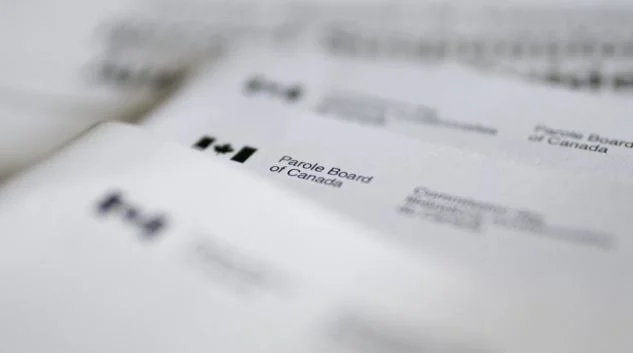
The True Post (Web News) —TORONTO Zakaria Amara, a central figure in the 2006 Toronto 18 terrorism plot, has been granted full parole in Canada after the Parole Board of Canada determined that he no longer showed signs of extremist ideology or an ongoing commitment to violent extremism.
Amara, 41, had been living in the community on day parole under strict conditions for approximately four years. Following a review of his case last week, the parole board decided to ease his release conditions and grant him full parole.
In a written decision released on Friday, a two-member panel said Amara had undertaken efforts to distance himself from extremist beliefs during his incarceration. The board noted that he had used his periods of supervised release to support his rehabilitation and had demonstrated positive changes in his behaviour.
Four Years of Strict Supervision
According to the parole board’s decision, Amara remained under close supervision while living outside prison during the day. His internet use, friendships and other personal relationships were monitored as part of his release conditions.
The board said no violations or incidents indicating a threat to public safety had been reported during that period.
Under his full parole arrangements, Amara intends to live in his own home and continue his full-time employment. He also plans to attend a mosque, maintain contact with family members and participate in appropriate recreational activities.
However, full parole does not mean that all restrictions have been lifted.
Amara remains prohibited from associating with individuals involved in criminal activity. The restriction also covers other people arrested during the June 2006 counterterrorism operation.
He is also barred from contacting individuals who hold extremist views, although limited exceptions may apply in connection with his specified counselling work.
Additional conditions require him to continue attending counselling sessions, accept financial monitoring and comply with restrictions governing his mobile phone and internet use.
The Toronto 18 Terrorism Plot
Amara was one of the principal figures in a terrorist conspiracy uncovered in 2006 that involved plans to attack Parliament Hill in Ottawa and carry out bombings at multiple locations in Toronto.
The case became known as the Toronto 18 plot and generated widespread concern across Canada about the threat of domestic terrorism.
Amara worked with an associate to recruit members for a group motivated by jihadist ideology. According to the case details, the group’s objective was to use terrorist attacks to pressure Canada into withdrawing its military forces from Afghanistan.
The group eventually split into two factions. Amara led one faction that planned to construct truck bombs and target significant government and financial institutions.
Potential targets included the headquarters of the Canadian Security Intelligence Service (CSIS), the Toronto Stock Exchange and a military base.
Amara was arrested on the day materials intended for bomb-making were delivered to a warehouse.
The planned attacks were disrupted before they could be carried out.
Life Sentence for Terrorism-Related Offences
Amara admitted his role in the terrorist conspiracy and in planning explosions that could have caused deaths or serious bodily harm.
He was sentenced to life imprisonment, with no eligibility for parole during the first 10 years of his sentence. He subsequently appealed his sentence, but the appeal court upheld the punishment.
According to the parole board’s records, Amara continued to struggle with extremist beliefs and behavioural issues during the early years of his imprisonment. He was also involved in several institutional disciplinary incidents.
The board said changes in his thinking began to emerge in 2014. In 2019, he was transferred to a medium-security institution, where correctional staff described his conduct as respectful, polite and quiet.
These developments formed part of the longer rehabilitation process considered during subsequent parole reviews.
Day Parole Began in 2022
Amara was initially granted day parole for three months in 2022. The arrangement was subsequently extended several times, allowing authorities to assess his conduct and adjustment to life outside prison under supervision.
In its latest decision, the parole board said Amara had continued to distance himself from extremist ideology and people associated with such beliefs during his final period in federal custody and his subsequent years in the community.
The panel considered his conduct under supervision, reported behavioural improvements and compliance with release conditions when deciding to grant full parole.
What Full Parole Means
The decision comes nearly 20 years after the Toronto 18 plot was uncovered, marking a significant development in the long-running case.
Full parole allows an eligible offender to serve the remainder of a sentence in the community, subject to applicable conditions and legal requirements. It does not erase the original conviction or automatically remove every restriction.
Amara will remain subject to the conditions imposed by the parole board, including requirements related to counselling, financial oversight and contact with certain individuals.
The decision reflects the board’s assessment of his rehabilitation and risk under the applicable parole framework. Continued compliance with the conditions of release remains essential.