Muhammad Amanullah
Date: October 17, 2026
The True Post (Web News) —
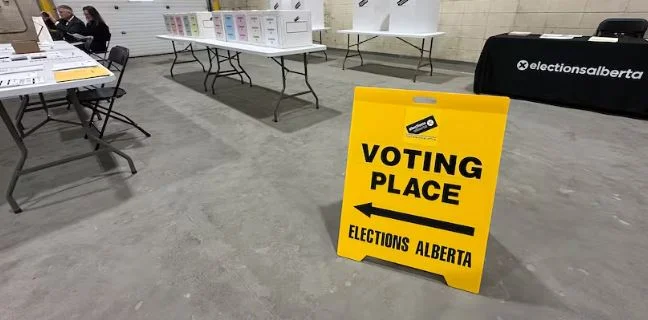
Alberta’s October 19 vote is entering a crucial phase, with voters preparing to express their views on a range of contentious issues, including immigration policy, provincial powers and the possibility of Alberta separating from Canada.
The referendum ballot contains 10 questions covering several major policy and constitutional issues. Five questions concern immigration, four deal with constitutional matters and the division of powers between Alberta and the federal government, while one concerns advancing the legal process toward a possible separation referendum.
The vote is expected to provide an important indication of public opinion on the province’s future relationship with Ottawa and the level of support for changes to Alberta’s political and constitutional arrangements.
Immigration and Provincial Powers at the Centre of Debate
The five immigration-related questions focus on how much authority Alberta should have over the arrival and settlement of newcomers. The debate reflects broader concerns about population growth, public services and the province’s ability to make decisions based on its own economic and social needs.
The constitutional questions, meanwhile, address proposals concerning the distribution of powers between provincial and federal governments.
Supporters of the referendum argue that Alberta should have greater control over decisions affecting its resources, population and public services. They believe increased provincial authority would allow the government to respond more effectively to local priorities.
Critics, however, warn that significant changes to the balance of federal and provincial powers could deepen political divisions and create uncertainty across Canada.
Separation Question Attracts the Most Attention
The most closely watched question concerns whether Alberta should remain part of Canada or move toward initiating the legal process for another referendum on separation.
An important distinction is that the current vote is not a direct decision on Alberta becoming an independent country. Instead, voters are being asked to express their views on advancing the process toward a future separation referendum.
Alberta Premier Danielle Smith has said she does not support separation. Nevertheless, dissatisfaction with certain federal policies has helped push the issue into the centre of provincial political debate.
Prime Minister Mark Carney has also emphasised the importance of maintaining Canadian national unity, as discussions about Alberta’s future relationship with the federal government continue.
The referendum therefore carries significance beyond the wording of the ballot questions, reflecting wider disagreements over provincial autonomy, federal authority and the future of the Canadian federation.
What Happens After the October 19 Vote?
Unofficial results are expected after voting on October 19, while the official results are scheduled to be announced on October 29.
The results will show how voters have responded to the individual questions and provide an indication of the level of public support for proposed changes, including the movement toward a possible separation referendum.
However, a vote in favour of any proposal would not necessarily mean that the policy or constitutional change would take effect immediately. Further legal and constitutional procedures may be required, depending on the question and the nature of the proposed change.
For that reason, the outcome could have implications for Alberta’s political direction, its relationship with Ottawa and the broader debate over national unity in Canada.
As the vote approaches, attention remains focused on whether Albertans favour greater provincial control, changes to immigration policy, or further steps toward considering separation from Canada.