Muhammad Amanullah | The True Post
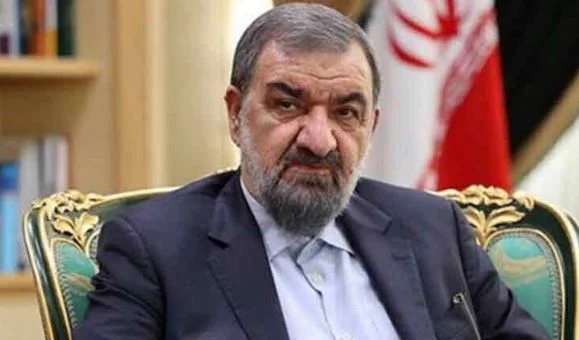
Iranian official Mohsen Rezaei has described the reported visit of senior officials from Pakistan, Türkiye, and Saudi Arabia to Tehran as evidence that US threats have failed to dictate the decisions of countries across the region.
According to the supplied report, Rezaei said regional governments were increasingly prioritising cooperation, diplomatic engagement, and coordinated strategies to address shared security challenges. He also argued that responsibility for peace and stability in West Asia should rest primarily with countries in the region.
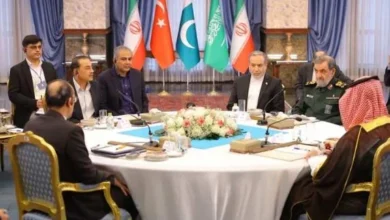
His remarks followed a reported four-country meeting in Tehran on October 26 involving representatives from Iran, Pakistan, Türkiye, and Saudi Arabia.
Regional Cooperation Seen as Essential
Rezaei reportedly said regional cooperation should have begun much earlier, stressing that countries in West Asia need to work together to address political and security crises.
He argued that sustainable peace requires regional governments to take greater responsibility for their own security arrangements, strengthen mutual trust, and resolve disagreements through consultation and diplomacy.
According to the report, discussions between officials from the four countries helped create a more positive atmosphere for regional engagement.
Rezaei also emphasised that security arrangements should reflect the needs, capabilities, and shared interests of regional states rather than being shaped primarily by outside powers.
Senior Officials Reportedly Attend Tehran Meeting
The reported meeting brought together senior representatives from the four countries.
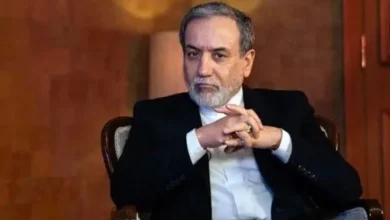
Iran was represented by Mohsen Rezaei and Foreign Minister Abbas Araghchi. Saudi Arabia was reportedly represented by Defence Minister Prince Khalid bin Salman, while Pakistan’s delegation included Chief of Army Staff and Chief of Defence Forces Field Marshal Asim Munir.
Türkiye was represented by Ibrahim Kalin, head of the country’s National Intelligence Organization, according to the supplied report.
The participation of senior officials from the four countries was presented as a sign of continued diplomatic engagement on regional security issues.
However, the exact agenda, any formal commitments, and the details of the meeting should be confirmed through official statements from the participating governments.
Security Concerns and Regional Tensions
According to the report, the discussions covered the broader security situation in West Asia, the implications of US and Israeli military actions against Iran, and developments in Palestine and Lebanon.
Participants reportedly discussed continuing diplomatic engagement and strengthening cooperation among the four countries to support regional stability.
The meeting was also described as an opportunity to explore common approaches to reducing tensions and addressing conflicts affecting the region.
The extent to which the discussions may lead to coordinated policies or practical agreements remains unclear based on the information provided.
Palestine and Lebanon Feature in Discussions
Rezaei also reportedly raised concerns about Israeli military operations in the region.
According to the Iranian position described in the report, Israel should halt its operations in southern Lebanon, southern Syria, Gaza, and the occupied West Bank.
The situation facing Palestinians, developments in Lebanon, and possible ways to reduce regional tensions were also reportedly discussed during the meeting.
The four countries were said to have highlighted cooperation as an important element in addressing regional challenges and promoting stability.
Their positions and any agreed measures, however, would need to be assessed through official statements and subsequent diplomatic developments.
Iran Calls for Regional Responsibility for Peace
Rezaei’s remarks reflect Iran’s longstanding emphasis on regional security arrangements led by countries in West Asia.
He reportedly argued that regional states should take a more active role in shaping their security environment, expanding consultation, advancing shared interests, and resolving disputes through dialogue.
Supporters of regional diplomacy argue that stronger cooperation among neighbouring countries could help reduce tensions and create more opportunities for political solutions.
At the same time, differences in national interests, foreign-policy priorities, and relationships with global powers could complicate efforts to establish a unified regional approach.
What Comes Next?
The reported Tehran meeting highlights continuing diplomatic efforts to discuss security concerns among Iran, Pakistan, Türkiye, and Saudi Arabia.
Iranian officials have portrayed the engagement as a positive step towards greater regional cooperation and a stronger role for West Asian countries in addressing their own challenges.
However, the supplied report does not identify a confirmed date or location for the next round of talks. It also does not provide enough detail to establish whether the meeting resulted in binding agreements or a formal joint declaration.
The practical significance of the discussions will depend on whether the participating countries follow up with further meetings, concrete diplomatic initiatives, or coordinated measures on regional security.