Muhammad Amanullah | The True Post
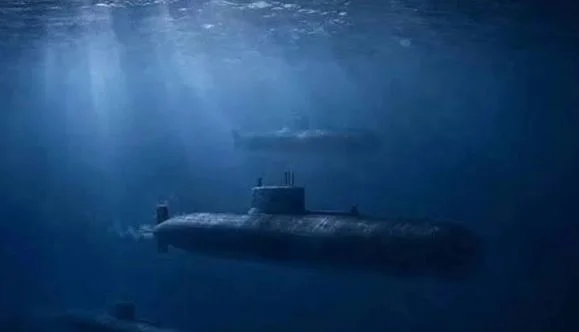
Date: October 29, 2026 Britain has sent three of its four Vanguard-class nuclear deterrent submarines to sea simultaneously for the first time in more than five years, an unusual development that has drawn attention to the readiness of the Royal Navy’s nuclear fleet amid heightened international security concerns.
The submarines reportedly at sea are HMS Vanguard, HMS Vigilant and HMS Vengeance. The fourth vessel, HMS Victorious, is undergoing maintenance at the Devonport naval base.
At least one of the three submarines is understood to be carrying ballistic missiles equipped with nuclear warheads and conducting a routine deterrent patrol. However, the British government has not publicly confirmed the individual missions of all three vessels or explained the precise reason for their simultaneous deployment. (Sky News; Al Jazeera)
Why the Deployment Is Unusual
Britain operates four Vanguard-class submarines, which form the backbone of its sea-based nuclear deterrent. The vessels carry the Trident II D5 ballistic missile system and are designed to maintain the country’s ability to respond to a nuclear attack.
Under the UK’s Continuous At-Sea Deterrent policy, at least one nuclear-armed ballistic missile submarine remains on patrol at all times. The arrangement is intended to ensure that Britain retains a retaliatory capability even if its territory and other military assets come under attack.
The Royal Navy’s continuous deterrent patrols have operated without interruption since 1969. However, having three of the four submarines at sea simultaneously is not considered routine.
The unusual deployment has prompted questions about whether the movement reflects improved fleet availability, normal operational scheduling or a wider change in Britain’s defence posture. No official explanation has established that the submarines were sent to sea in response to a specific threat. (Royal Navy; Sky News)
Possible Reasons Behind the Simultaneous Deployment
Defence reporting has suggested that the submarines may be performing different tasks rather than participating in a single coordinated operation.
One vessel is understood to be carrying out the regular nuclear deterrent patrol. Another may be preparing to take over patrol duties, while the third could be conducting sea trials or other activities following maintenance.
These explanations remain assessments rather than confirmed details of the submarines’ current missions. The Royal Navy generally does not disclose operational information about its nuclear deterrent patrols.
The deployment may also indicate an improvement in the availability of the submarine fleet, which has faced maintenance difficulties in recent years. Such problems have contributed to lengthy patrols, placing additional demands on crews and vessels.
HMS Vanguard reportedly spent more than 200 days at sea during a patrol last year. The longest publicly known deployment cited in recent reporting was a 207-day patrol by HMS Victorious in 2021.
The presence of three submarines at sea could provide greater flexibility in managing patrol rotations, although the precise operational benefit will depend on their respective readiness and assignments. (Sky News; Nukewatch UK)
Defence Secretary’s Warning Adds to the Attention
The deployment has attracted additional attention following remarks by Defence Secretary Wes Streeting that Britain must be prepared for war.
The timing has led to questions about whether the submarine movements signal a shift in the country’s defence preparations. However, the available reporting does not establish a direct connection between Streeting’s remarks and the deployment.
There has been no publicly confirmed indication that the submarines were sent to sea because of an imminent attack or a specific military emergency. Analysts have also suggested that routine patrol arrangements, training and sea trials could account for the movements.
Ministry of Defence Reaffirms Britain’s Nuclear Deterrent
A spokesperson for the UK Ministry of Defence described the country’s nuclear deterrent as a cornerstone of national security.
“Our nuclear deterrent is the cornerstone of our national security, protecting the UK and our NATO allies every moment of every day,” the spokesperson said, according to Sky News.
The ministry also emphasised Britain’s commitment to extending the protection of its nuclear deterrent to NATO allies. It did not provide a detailed explanation of why three submarines were at sea at the same time.
What the Deployment Means for Britain’s Security
The simultaneous deployment highlights the importance Britain places on maintaining a credible nuclear deterrent and ensuring that its submarine fleet remains operationally available.
It has also renewed attention to the condition of the ageing Vanguard-class fleet, the demands placed on submarine crews and the challenges of maintaining continuous patrols while vessels undergo repairs and upgrades.
For now, the significance of the deployment remains uncertain. While three submarines at sea represent an unusual operational development, the available evidence does not establish that Britain has changed its nuclear policy or is preparing for an immediate military confrontation.
Further official clarification would be needed to determine whether the deployment reflects routine scheduling, improved operational readiness or a broader adjustment to Britain’s defence posture.