Iran has made its seven-point proposal a central condition for reaching a possible agreement with the United States, warning that no final deal will be possible unless its demands are accepted.
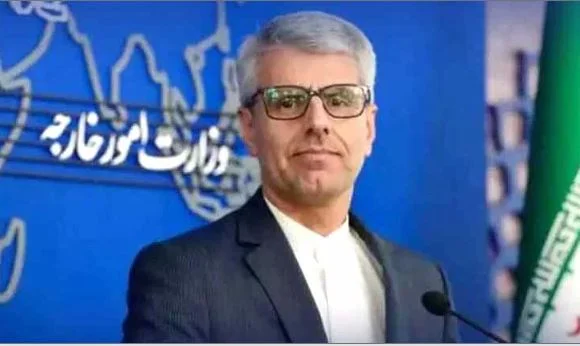
Iranian Foreign Ministry spokesperson Esmaeil Baghaei said indirect negotiations and diplomatic contacts between Tehran and Washington had intensified through the mediation efforts of Pakistan and Qatar. However, he stressed that the future of any agreement would depend on the political decisions and seriousness of the US administration.
Baghaei said Iran preferred a diplomatic solution but was also prepared for every possible scenario, including military confrontation. He added that Tehran had clearly communicated what it considered reasonable demands to Washington, leaving the next decision to the American government.
Iran Proposes Implementing Seven-Point Plan Within Two Days
According to Baghaei, Iran has proposed shortening its previously presented seven-point plan and limiting the proposed implementation period to just two days.
The plan is primarily aimed at restoring maritime traffic through the Strait of Hormuz, ending the US naval blockade of Iranian ports and creating a diplomatic framework for resolving other outstanding disputes.
Tehran maintains that the United States must first lift its naval blockade of Iranian ports before normal shipping can resume through the strategic waterway.
Iran argues that Washington cannot simultaneously call for regional peace and maritime security while continuing measures that restrict access to Iranian ports.
Baghaei said Iran had already communicated its demands to the US government and that accepting them would be essential to reaching a final agreement. He emphasised that Tehran would not accept unilateral conditions or an arrangement that required concessions only from Iran.
Pakistan and Qatar Step Up Diplomatic Mediation
Pakistan and Qatar are playing important roles in efforts to reduce tensions between Iran and the United States. Both countries have been facilitating the exchange of messages between Tehran and Washington as diplomatic efforts continue.
Iranian Deputy Foreign Minister Kazem Gharibabadi also travelled to Doha for consultations and meetings with Qatari mediators.
According to Iranian officials, these contacts are intended to narrow differences between the two sides and explore the possibility of a workable agreement.
Reports have also indicated that a proposed draft agreement has been circulating following discussions between the Iranian delegation and Qatari mediators in Doha. Further meetings are also being considered.
Baghaei said diplomatic communications remained active, with messages continuing to be exchanged on several issues. However, he acknowledged that the dispute was complicated and that the passage of time had added to the challenges.
He reiterated that Iran had presented its position and that Washington now needed to make a practical decision.
Iran Rejects Transfer of Enriched Uranium to Another Country
Iran has also maintained a firm position on its nuclear programme and its stockpile of enriched uranium.
Baghaei said Tehran would not agree to transfer its enriched uranium to another country and would not compromise on this issue.
He stated that Iran was not prepared to make concessions concerning its nuclear assets or national interests. Tehran maintains that its nuclear programme has been intended for peaceful purposes and continues to reject demands it considers contrary to its rights.
Iranian officials argue that progress on nuclear and other disputed matters requires the United States to recognise Tehran’s fundamental demands first.
From Iran’s perspective, restoring maritime traffic through the Strait of Hormuz and ending the naval blockade are among the key elements of an initial agreement. Nuclear issues could then be addressed in subsequent stages of negotiations.
Iran Says It Is Prepared for Every Possible Scenario
Baghaei stressed that Iran had not abandoned the possibility of a diplomatic settlement, but would not limit its preparations to negotiations alone.
He said Tehran had to remain prepared for all possible developments, particularly because ending regional tensions would require practical measures rather than statements alone.
According to the spokesperson, Iran had presented what it considers legitimate and reasonable demands. The next step, he said, would test the political judgement of the US administration.
If Washington demonstrates seriousness, a path towards an agreement could emerge. However, ignoring Iran’s demands could make further diplomatic progress difficult.
Strait of Hormuz Remains Central to the Dispute
The maritime passage through the Strait of Hormuz, the US naval blockade, economic sanctions and Iran’s nuclear programme remain among the main sources of disagreement between Tehran and Washington.
Although Pakistan and Qatar are continuing their mediation efforts, substantial differences between the two sides remain unresolved.
Iran’s insistence on its seven-point proposal has made the US response particularly important to the future of negotiations.
The coming diplomatic exchanges will indicate whether the two countries can move towards an agreement or whether tensions will continue. For now, the possibility of a settlement remains closely tied to Washington’s willingness to respond to Tehran’s demands.