Date: November 14, 2026
The True Post (Web News)The United Nations has expressed serious concern over rising tensions around the Strait of Hormuz and the Bab el-Mandeb Strait, warning that attacks on commercial vessels and growing instability along these critical maritime routes pose significant threats to international peace, regional security and the global economy.
The UN cautioned that restrictions on maritime movement and continued attacks in these waterways could disrupt international trade, energy supplies and the global distribution of food and other essential commodities.
According to Anadolu Agency, Khaled Khiari, the UN Assistant Secretary-General for the Middle East, Asia and the Pacific, addressed a Security Council meeting virtually and said maritime incidents were being reported across the region on an almost daily basis.
He noted that commercial vessels were facing different forms of attacks, while several ships and their crews had remained stranded in the Gulf for months.
Khiari stressed that civilian and commercial vessels must never become targets in armed conflicts. He said protecting maritime trade was essential under international law and played a fundamental role in maintaining global economic stability.
He warned that restrictions and uncertainty along major shipping routes had made maritime operations increasingly dangerous.
Attacks on Commercial Ships Increase, 25 Maritime Personnel Killed
Khiari revealed that, according to figures from the International Maritime Organization (IMO), incidents involving commercial vessels reached their highest level since February in October 2026.
He said that by November 11, a total of 134 confirmed incidents involving commercial ships had been recorded in the Strait of Hormuz and the wider Middle Eastern maritime region.
These incidents had resulted in the deaths of 25 maritime personnel, while several others were injured and a number remained missing.
The UN official emphasised that the situation was not simply a matter of disruptions to shipping schedules. It was directly connected to the protection of international maritime trade and human lives.
Attacks on vessels have placed crews at serious risk and increased uncertainty throughout the global shipping industry.
Energy Exports Recover, but Maritime Trade Remains Disrupted
Khiari said that although a significant portion of energy exports from the Gulf region had reportedly resumed through alternative routes, this should not be interpreted as a return to normal conditions.
Cargo transportation through maritime routes remained below pre-conflict levels.
According to the UN official, shipping restrictions and security concerns were creating difficulties for international trading companies in managing vessel movements, transporting goods and making future commercial arrangements.
The uncertainty has also placed additional pressure on global supply chains.
He warned that if restrictions and security threats along major maritime routes continued for an extended period, the economic damage could become increasingly severe and restoring confidence in international trade would become more difficult.
Rising Oil, Transportation and Insurance Costs Could Fuel Inflation
The UN Assistant Secretary-General said current maritime arrangements in the Middle East were expensive, unpredictable and unsafe.
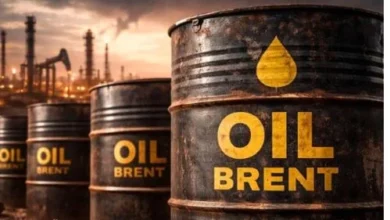
Disruptions to shipping operations were increasing energy, transportation and insurance costs, potentially creating additional inflationary pressure around the world.
Khiari also expressed particular concern about interruptions to fertiliser shipments, warning that the situation could threaten global food security.
Delays in the delivery of fertilisers and other agricultural supplies could put pressure on farming operations, agricultural production and international food supply chains.
He stressed that strategic waterways such as the Strait of Hormuz and Bab el-Mandeb were fundamental to the global trading system.
These international shipping routes, he said, must not be used as instruments of political pressure or as leverage against any country or party.
UN Calls for Immediate Restoration of Safe Shipping Routes
Khiari urged all relevant parties to fully respect international law and regulations governing maritime navigation.
He called for an immediate end to all attacks against civilian and commercial vessels.
The UN official also stressed that the transportation of food, energy, fertilisers and other essential goods must not be obstructed under any circumstances.
Restoring free, safe and uninterrupted navigation through international waterways is essential for regional stability and the wider global economy.
He further highlighted the importance of cooperation with the International Maritime Organization to strengthen maritime security and reduce risks to vessels and their crews.
UN Raises Concerns Over Tensions Between US and Iran
During his address to the Security Council, Khiari also discussed the broader situation in the Middle East, particularly tensions between the United States and Iran.
He said the absence of reports of major military operations between the two countries since early September was encouraging. However, recent statements and concerns about the possibility of renewed military confrontation continued to raise serious questions.
Khiari described the restoration of diplomatic contacts between Washington and Tehran as a positive development.
He urged both sides to take advantage of existing opportunities for dialogue and continue negotiations with sincerity and a genuine commitment to reaching an understanding.
The UN official also welcomed the resumption of diplomatic activities in Doha and other locations across the region.
He expressed hope that mediation efforts would help the United States and Iran reach a peaceful and lasting agreement.
Khiari also acknowledged regional countries’ efforts to strengthen maritime security, emphasising that governments across the region could contribute through confidence-building measures, continued diplomatic engagement and efforts to reduce tensions.
He warned that a renewed military confrontation could have devastating consequences for Iran, the Middle East and the international community.
A prolonged conflict involving some of the world’s most important maritime trade routes, he said, would serve no one’s interests.
The United Nations maintains that a sustainable solution to the current crisis can only be achieved through diplomacy, negotiations and political understanding.
Khiari stressed that all parties must take immediate steps to protect commercial shipping and ensure the uninterrupted movement of goods through these vital international waterways.