Denmark’s parliament has voted unanimously to approve a security agreement with the United States covering Greenland, taking the final step in a deal that expands the American military role on the Arctic island while keeping it under Danish sovereignty.
All 109 lawmakers present in the 179-seat Folketing voted in favour on Thursday, with none against. The vote followed the bill’s second reading and took place without a debate.
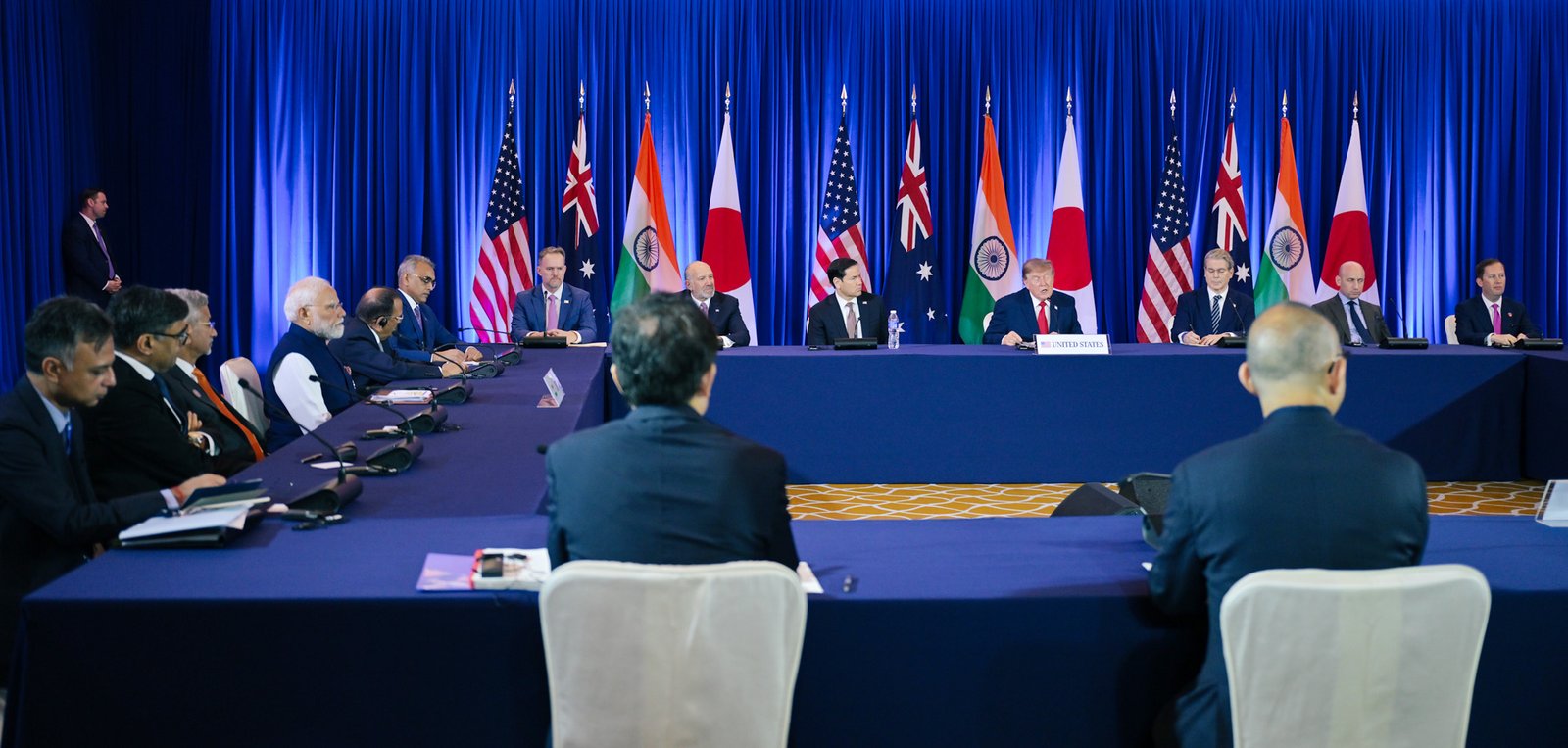
The agreement was signed in New York on September 22 by US President Donald Trump, Danish Prime Minister Mette Frederiksen and Greenland’s premier, Jens-Frederik Nielsen. Greenland’s own parliament approved the deal earlier this month.
A unanimous vote in Copenhagen
The 109 to 0 result reflected broad political support in Denmark for the agreement, which had been negotiated over months of quiet talks. Lawmakers from across the political spectrum backed the deal, and no party voted against it.
The vote amounts to the final domestic step on the Danish side. The deal will enter into force once Denmark and Greenland formally notify Washington through a diplomatic note that all necessary procedures have been completed.
What the deal changes on the ground
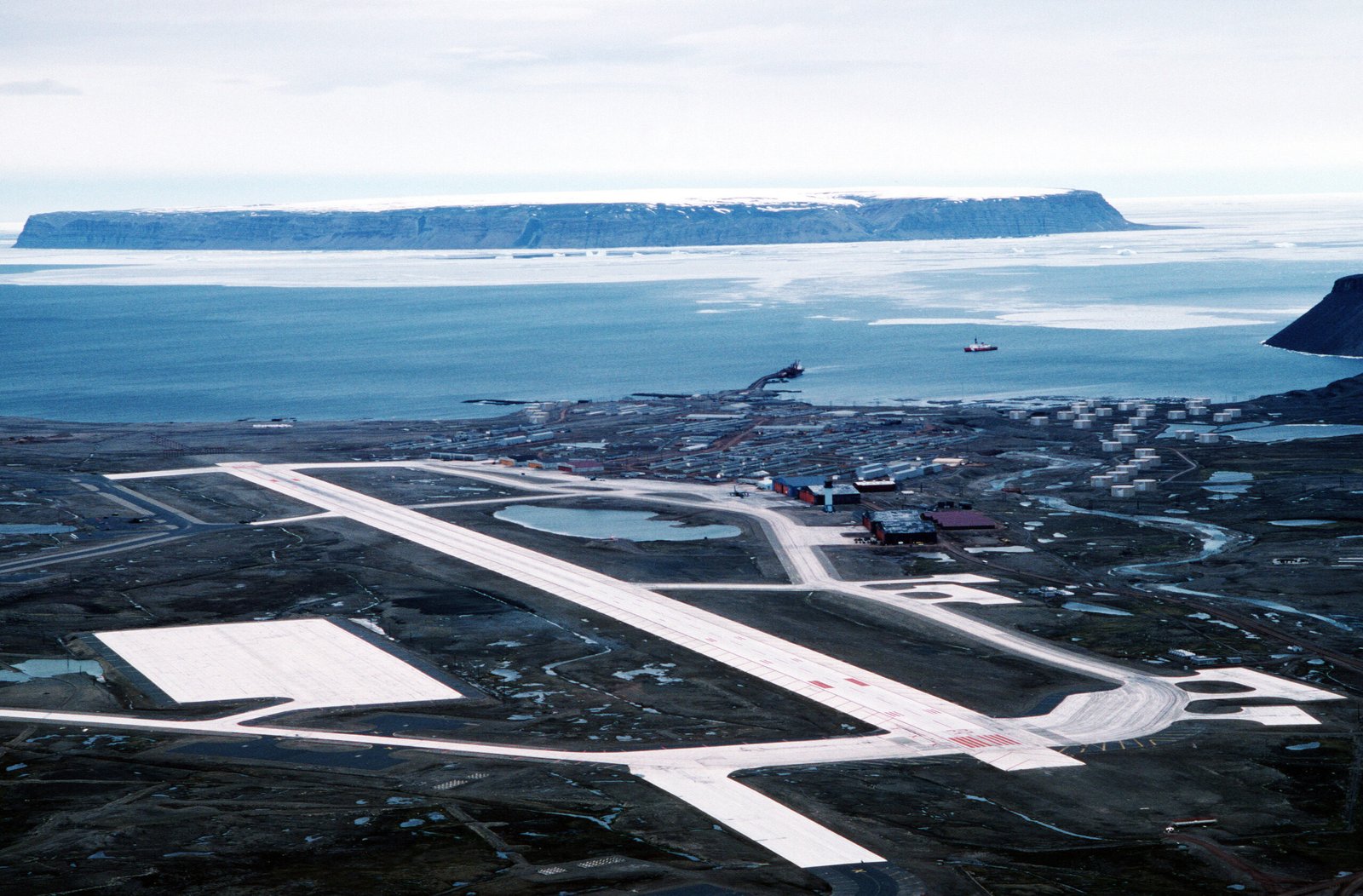
Under the agreement, the United States will be able to expand and modernise its Pituffik Space Base in northwestern Greenland and to establish new defence areas at Narsarsuaq in the south and Mestersvig in the northeast. The specific terms for the new sites still have to be agreed between Denmark, Greenland and the United States.
The deal also gives the United States permission to establish a Golden Dome missile defence system on the island. It supplements a 1951 defence accord that has governed the American military presence in Greenland for 75 years.
Because the agreement is an executive deal rather than a treaty, it does not require a vote in the US Senate.
Why the deal matters now
The agreement is intended to strengthen security in the Arctic and the North Atlantic at a time of growing competition in the region. It also aims to ease tensions that followed President Trump’s repeated calls for Greenland to become part of the United States.
For Copenhagen and Nuuk, the central gain is the written reaffirmation of Danish sovereignty and of Greenlanders’ right to self-determination. Greenland, home to about 57,000 people, is a self-governing territory of Denmark, and its government has repeatedly said the island is not for sale.
The deal leaves the question of how large the expanded American presence will become to later talks, but with both parliaments now behind it, the framework for a bigger US role in Greenland is in place.