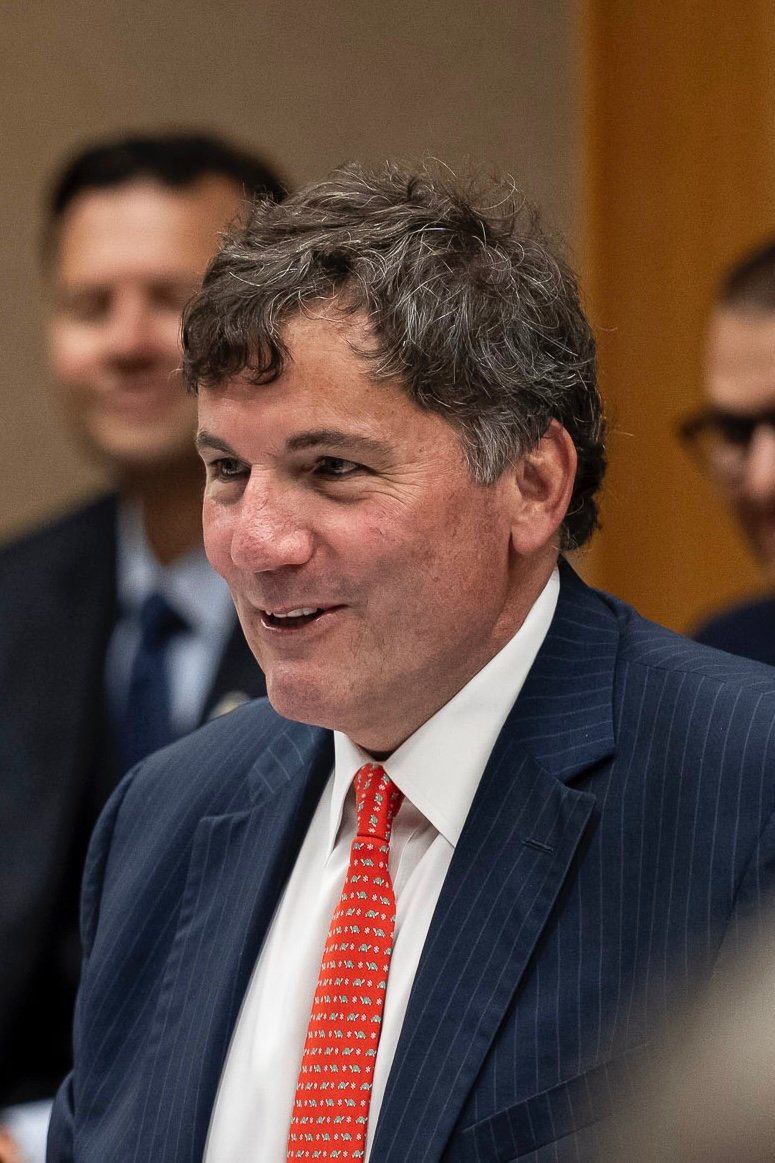
Canada is still seeking an interim arrangement with the United States to ease tariffs on Canadian goods, but Washington has shown little movement so far. Trade Minister Dominic LeBlanc gave that assessment to a federal advisory committee on Thursday, according to two people familiar with the briefing.
LeBlanc told the Advisory Committee on Canada US Economic Relations that Ottawa wants at least a partial deal before the end of the year. His office confirmed that he briefed the committee on the state of the talks and reaffirmed Canada’s commitment to strike a mutually beneficial agreement with the United States.
Talks stalled since August
There has been little progress since trade talks broke down in August, the two people said. LeBlanc told the committee he is in regular contact with his American counterparts, but the two sides have yet to put anything in writing.
LeBlanc has been speaking with US Commerce Secretary Howard Lutnick, whose department plays a central role in administering the tariffs, and with US Trade Representative Jamieson Greer, who led most of the dialogue in August before the talks collapsed.
Tariffs set to rise in January
The stakes are rising. US tariffs on Canadian steel, autos and lumber are set to rise in January to 50 percent from 25 percent.
Ottawa is seeking relief from the Section 232 tariffs on steel, aluminum, autos and lumber, along with the Section 338 tariffs imposed on Canadian goods in August after the earlier talks broke down. Those tariffs cover more than 20 billion dollars worth of Canadian goods.
Ottawa aims for a deal by year end
CBC News reported that Ottawa is aiming for an interim tariff agreement with the Trump administration before the end of the year. Nothing has been put in writing so far, and neither side has announced a formal package.
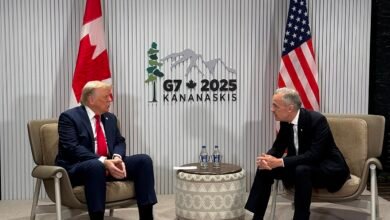
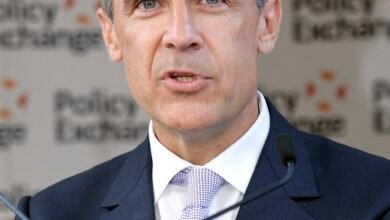
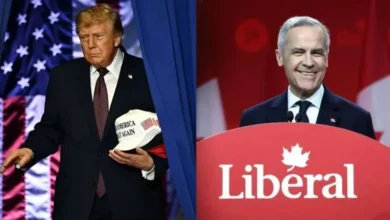
Prime Minister Mark Carney said at the DealBook Summit on Wednesday that talks had made progress in recent weeks, though the two sides had yet to put anything in writing. Carney met with US President Donald Trump on the sidelines of the APEC summit in Shenzhen, but that discussion ended without a trade breakthrough.
Election result changes nothing
The US midterm elections, in which President Donald Trump’s Republican Party lost control of the House of Representatives and the Senate to the Democrats, have not changed the course of the trade negotiations, one of the people familiar with the briefing said.
The government believes a window exists to reach a deal before the end of the year, ahead of Democrats taking control of Congress. For now, Canadian exporters face months more uncertainty, with higher tariffs scheduled to take effect in January.