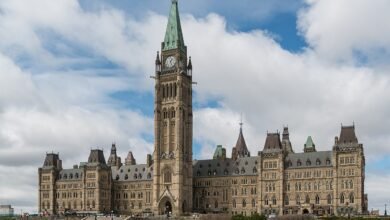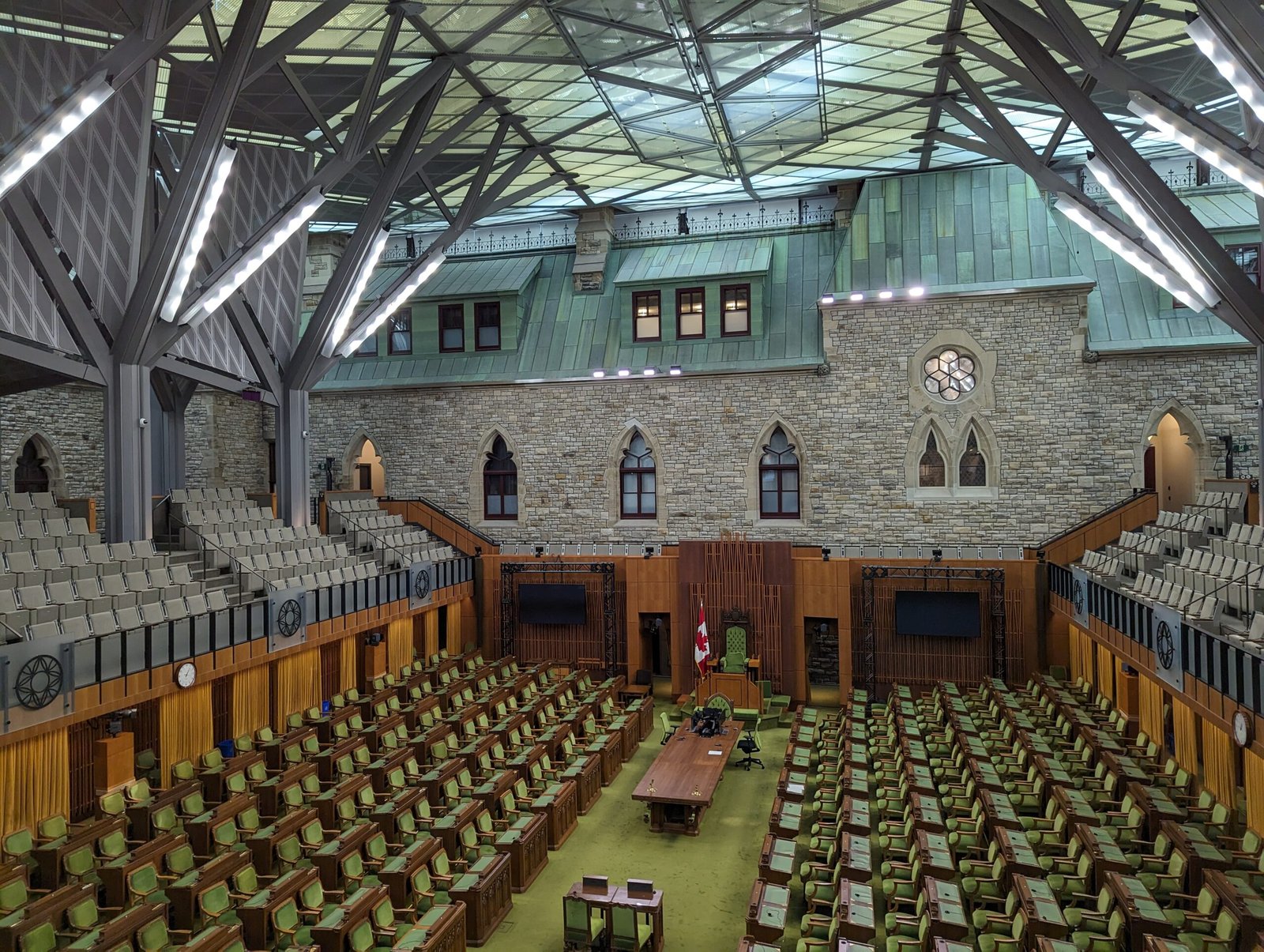
The House of Commons has passed the federal government’s 2026 budget, giving Prime Minister Mark Carney’s Liberals a major win and removing the threat of an early election over the spending plan.
Members of Parliament voted 162 to 151 on Thursday evening to approve the budget, which Finance Minister François-Philippe Champagne tabled on November 5. Liberal MPs cheered and applauded as the Speaker announced the result, and Champagne raised his arms in triumph as his colleagues clapped.
The budget, titled Maîtres Chez Nous, or Masters of Our Destiny, sets out billions of dollars in new borrowing and tax measures aimed largely at stimulating infrastructure construction and other capital projects.
A Majority Changes the Math
Last year’s budget vote was a tense affair. The minority Liberal government of the day needed members of other parties to back its agenda or abstain, and Green Party leader Elizabeth May cast the crucial vote that allowed Budget 2025 to pass.
That picture has changed. A series of byelections and floor crossings over the last year has given the Liberals a majority of seats in the Commons, meaning the government can now pass much of its agenda without the support of other parties.
What Is in the Budget
Budget 2026 plans 151.5 billion dollars in new spending over five years. Ottawa will spend about 602 billion dollars in the coming year, and the deficit will run to roughly 62 billion dollars a year for the next two years. The federal debt stands at 1.366 trillion dollars, or 39.9 per cent of gross domestic product.
The centrepiece is a 36 billion dollar productivity mega deduction, designed to convince businesses to invest in new machinery and lift worker productivity.
The budget also tops up the Groceries and Essentials Benefit for lower income families, provides 11.2 billion dollars over four years for a plan to end homelessness, and creates a Canada Creative Credit that offers tax recognition on up to 45,000 dollars of annual income from original artistic work.
Parliamentary budget officer Annette Ryan published a series of reports this week scrutinizing the budget. She raised red flags about the total amount of borrowing on the horizon but found the government is narrowly on track to maintain its fiscal anchors.
Opposition Reaction and What Comes Next
Conservative Leader Pierre Poilievre has railed against the scale of the proposed borrowing, arguing it passes on costs to Canadians and fails to make life more affordable.
NDP Leader Avi Lewis told reporters his party’s MPs would vote against the budget, which he argues caters to the needs of big business. He said Canadians need a budget that delivers real solutions to lower the cost of living, including groceries, cellphones, housing and health care.
Bloc Québécois Leader Yves-François Blanchet has criticized the Liberals’ use of the budget title, which borrows a phrase from Quebec’s Quiet Revolution, arguing the budget does not give the province more control over its own affairs.
Champagne defended the plan in a Senate committee appearance this week, saying the budget meets an uncertain moment by leveraging Canada’s relatively strong fiscal position. Confident countries invest, he said, adding that Canada is one of the very few countries in the G7 that can afford to invest in growth while supporting Canadians with affordability measures.
Passing the budget vote is not the final step. The government will go on to table one or more budget implementation bills, which must go through committee studies and votes and may be amended before passing into law.