The leaders of the United States, China and Russia held their first ever trilateral summit on Thursday and issued a joint declaration on peace, pledging dialogue on nuclear risks, reform of the United Nations and greater energy security.
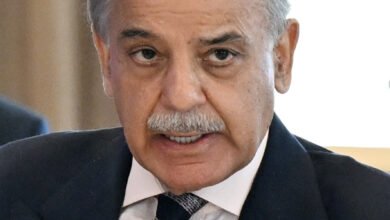
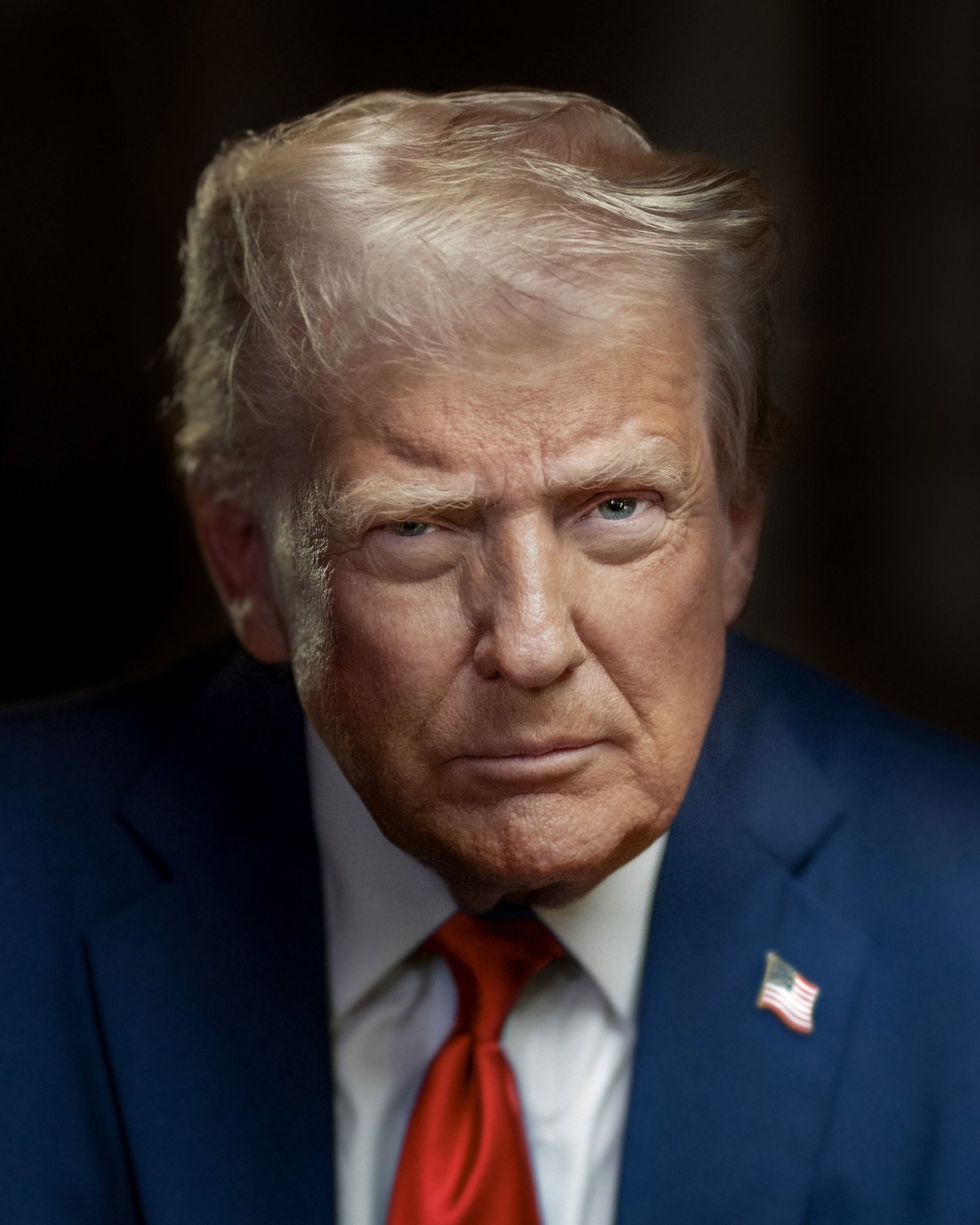
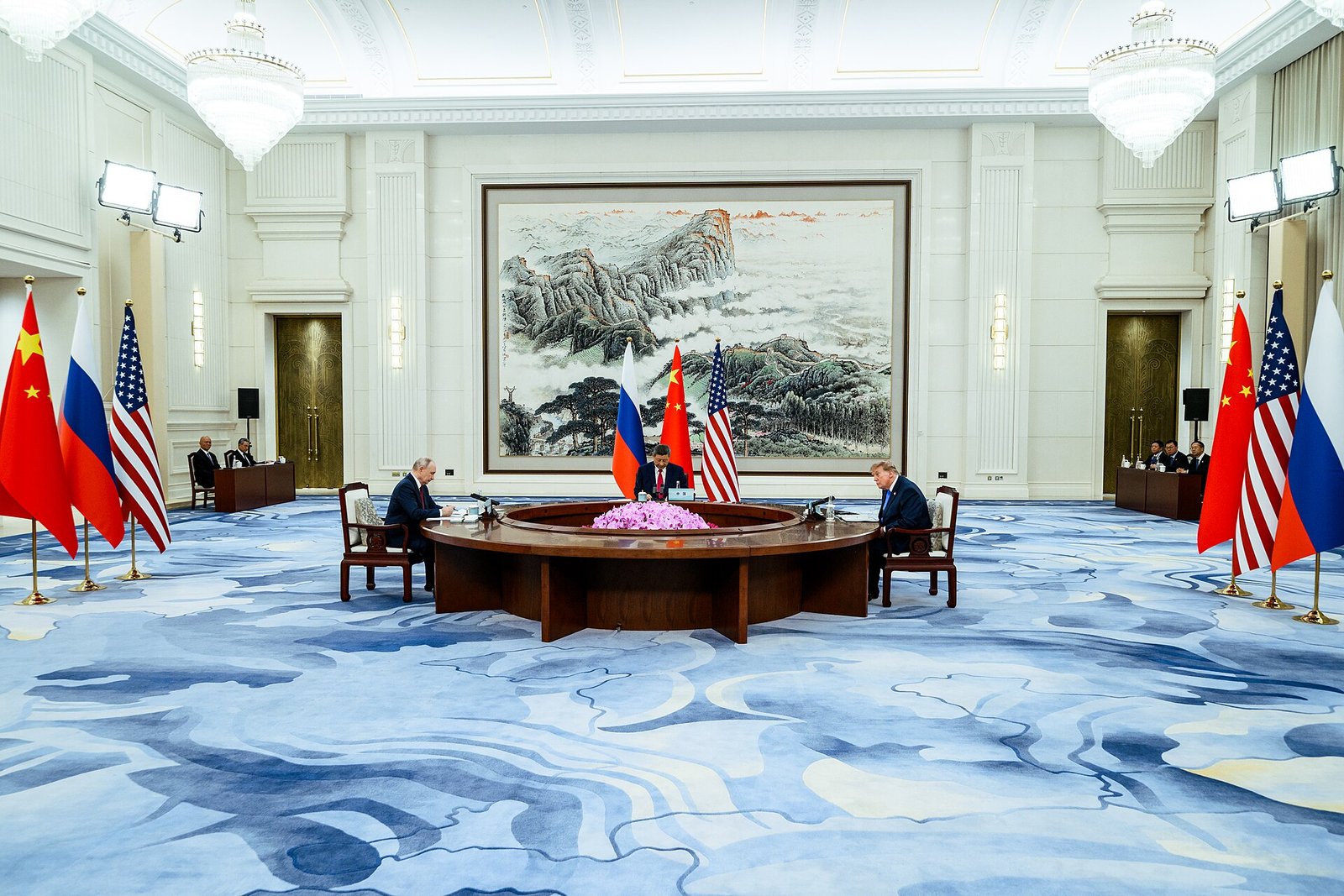
President Donald Trump, President Xi Jinping and President Vladimir Putin met for about 90 minutes at the Kylin Villa in Shenzhen, on the sidelines of the Asia Pacific Economic Cooperation summit. It was the first time the top leaders of the three countries had met together, and the first time they had set out their positions in a joint declaration.
Xi, who hosted the meeting, told the other two leaders that when major powers are at peace, the world is secure, and when major powers fight, the world is in turmoil. Trump told Xi and Putin at the start of the meeting that they were really making history. Trump later told Reuters that the summit was bigger than Yalta, referring to the 1945 conference between the United States, Britain and the Soviet Union.
Four points, but no mention of Ukraine
The four point declaration, titled the Declaration toward Peace, covered four areas of agreement. The three countries committed to reform the United Nations so it can respond more effectively to global challenges. They agreed to increase the production and supply of refined petroleum products for the benefit of all nations, and reaffirmed the importance of stable energy flows.
The leaders also said the principle of state consent and respect for the immunities of state officials is of paramount importance, and agreed that the International Criminal Court and similar bodies must not abuse their jurisdiction.
On nuclear weapons, the three leaders reaffirmed that a nuclear war cannot be won and must never be fought. They agreed to conduct a dialogue on reducing nuclear risks and preventing the proliferation of nuclear weapons, but gave no timetable for talks.
Notably, the declaration made no mention of Russia’s war in Ukraine or of the conflict with Iran, even though Trump said the discussions had covered the war in Ukraine. It also set out no plan for a trilateral nuclear arms reduction treaty, something Trump has pushed since his first term and which China has consistently rejected, arguing that its arsenal is much smaller than those of the other two powers. Putin acknowledged after the meeting that the declaration did not set ambitious goals and that nobody would be forced to comply with its decisions. The leaders did not agree to hold similar meetings regularly.
Reactions divided
Reaction to the summit was sharply divided. Chuck Schumer, who leads the Democrats in the United States Senate, called the trilateral summit a historic embarrassment that people will remember long into the future. Analysts said Trump came to Shenzhen seeking to bolster his standing after his Republican Party lost control of Congress in midterm elections this month. For Putin, whose economy is barely a tenth the size of China’s and whose businesses are largely barred from trading with the West by sanctions, the meeting itself was seen as a diplomatic coup.
China’s Foreign Minister Wang Yi said the countries would maintain coordination at working level after the meeting. Chinese scholars described the summit as the start of a new format for consultation among major powers, while cautioning that whether the consensus can be put into practice remains uncertain.
What comes next
Trump is expected to address the Shenzhen meetings at a press conference on Friday, the first time his administration will put its version of the summit on the record. For now, the declaration is the summit’s principal published result. It contains no ceasefire, no arms reduction timetable and no binding settlement for any conflict. Whether the first ever meeting of the three leaders leads to concrete steps will only become clear in the months ahead.