The International Court of Justice has ruled that Myanmar committed genocide against its Rohingya minority, the first time in the court’s 80 year history that it has found a state guilty of the crime.
The ruling was delivered in The Hague on Thursday, 19 November, by a majority of nine judges to six. It brings to a close a case brought by The Gambia in 2019 under the 1948 Genocide Convention.
What the court found
The court found that Myanmar’s security forces killed thousands of Rohingya civilians during the so called clearance operations in northern Rakhine State in 2017. Presiding judge Yuji Iwasawa said forces carried out indiscriminate killings, widespread sexual violence against women and extreme violence against children, and attacked Rohingya as they fled in large numbers to Bangladesh.
The court said the evidence pointed to around 10,000 people killed. Rohingya villages were systematically destroyed and replaced with non Rohingya inhabitants. The judges concluded that the only reasonable inference was that Myanmar intended to destroy the Rohingya population in northern Rakhine State, in whole or in part.
Reparations and return ordered
The court ordered Myanmar to provide reparations to the Rohingya, including allowing and facilitating their safe, voluntary and dignified return to their homes and the reunification of families. It also ordered Myanmar to investigate those reasonably suspected of involvement, prosecute and punish them where warranted, pass laws giving full effect to the Genocide Convention, and report back to the court within two years.
Myanmar rejects the ruling
Myanmar’s government called the ruling unfair. A government spokesperson said the decision was not unanimous and that Myanmar had been unjustly accused. The ruling is final and binding, but the court has no power to enforce its decisions, so it remains to be seen whether Myanmar’s rulers will comply.
A landmark for international justice
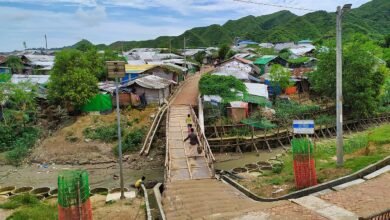
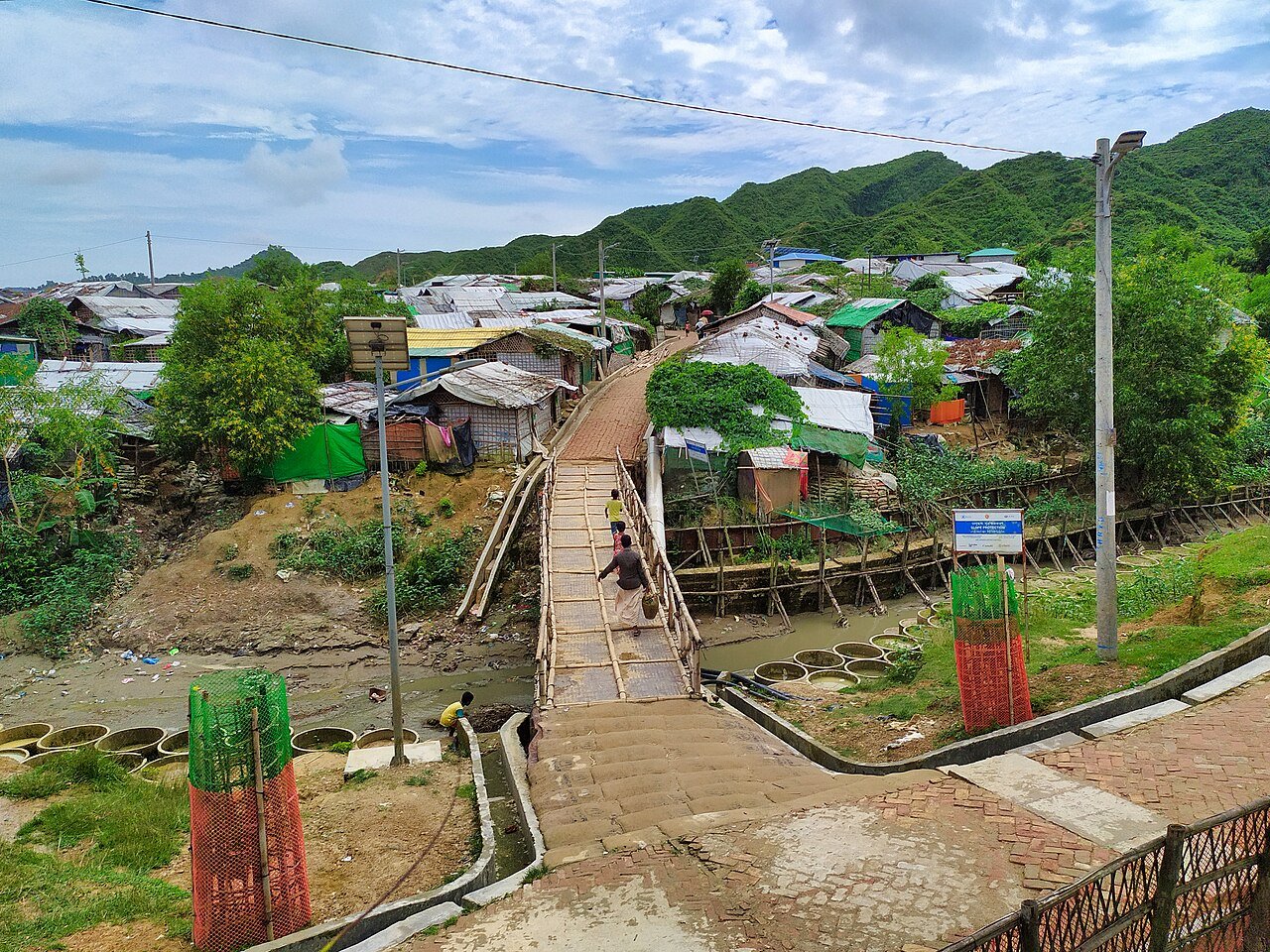
The judgment is the first time the court has held a state responsible for committing genocide, and legal experts say it will shape other cases before the court. Human rights groups welcomed the decision as a turning point for the Rohingya, hundreds of thousands of whom fled to Bangladesh in 2017 and still live in refugee camps there.