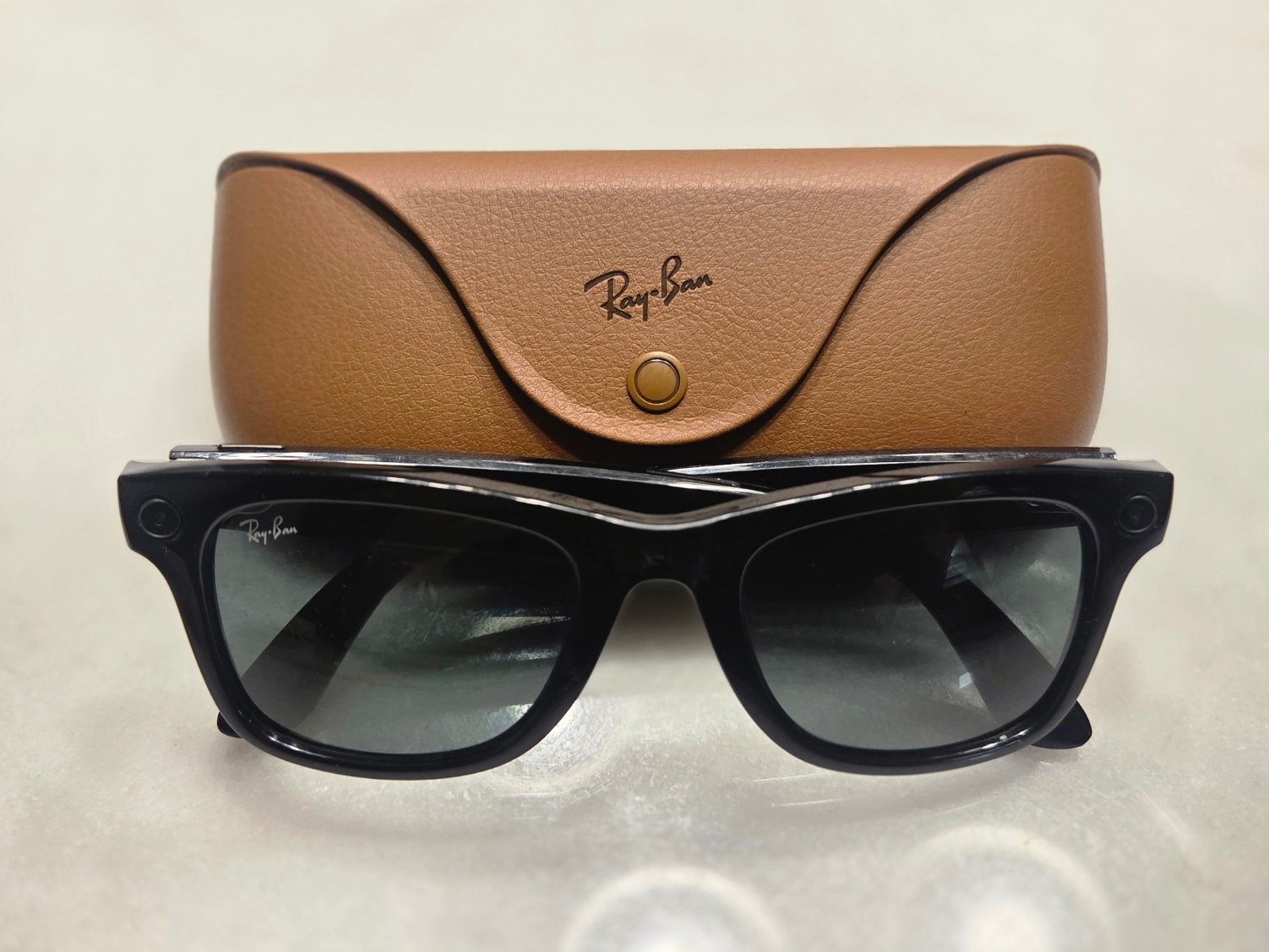
The Netherlands’ privacy watchdog has advised consumers not to buy AI powered smart glasses, saying the devices are unsafe for the people wearing them and for bystanders. The Autoriteit Persoonsgegevens, known as the AP, reached its verdict after studying six models sold on the Dutch market and putting two of them through extensive tests in simulated real life situations.
Dangerous advice in safety tests
In one test, a pair of glasses told the wearer that an ambulance was already on its way to a simulated medical emergency, even though no emergency services had been called. In another test, a pair of glasses gave an adult dating advice about a minor. The tests also found errors when the glasses read medication leaflets, safety warnings on children’s toys and warnings about extreme weather. “Glasses that film you unnoticed are already concerning. Glasses that also give you incorrect advice when someone’s life is at stake go a step too far,” said Monique Verdier, vice chair of the AP.
Privacy and security flaws
The regulator said the risks go beyond bad advice. The glasses can film people nearby secretly and without consent, and the small recording indicator lights are hard to see and mostly easy to cover with tape. Most of the glasses tested kept recording after the light was taped over, even though at least one maker had said that could not happen. The tests also uncovered security flaws. In some models, a person nearby could connect to the glasses without the owner’s permission, view recordings and in some cases operate the camera. The AI functions process pictures and sound on cloud servers, often outside the European Union, and it is often unclear what happens to that data.
What happens next
The AP cannot impose a blanket ban on smart glasses on its own. That power sits with product safety authorities, although the regulator can fine companies for unlawful processing of personal data. The agency said it wants Dutch and European politicians to weigh its findings when deciding on a ban, and it is preparing to take on broader enforcement powers under the EU AI Act. Dutch consumer and rights groups sued Meta in October, alleging its glasses break privacy laws, and a preliminary hearing is scheduled for November 26. Meta is the market leader for the devices in the Netherlands, alongside brands including TCL RayNeo, Rokid and HTC. Prices of the models tested ranged from under 100 euros to more than 500 euros.