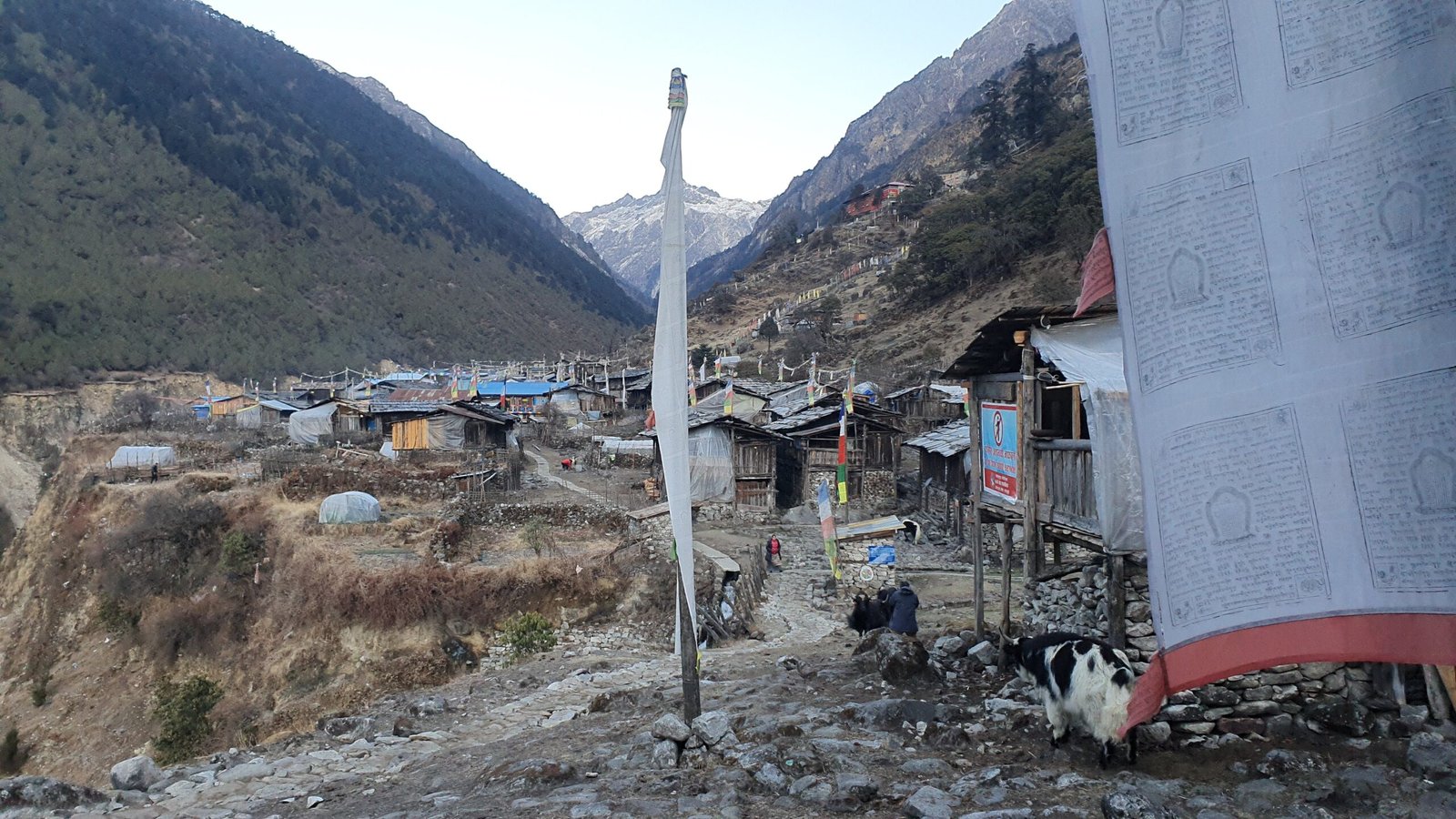
A magnitude 5.6 earthquake struck eastern Nepal early on Tuesday morning, shaking the remote Himalayan district of Taplejung near the border with Tibet and sending tremors across parts of India, Bhutan, Bangladesh and China. No casualties or major damage had been reported by mid morning, officials said, though checks were still under way in the high mountain villages around the epicentre.
Tremors felt across the region
Nepal’s National Earthquake Monitoring and Research Centre said the quake struck at 7.17am local time, with its epicentre near Olangchung Gola, a high Himalayan village in Taplejung district in Koshi Province, about 275 kilometres east of Kathmandu.
International agencies recorded a slightly lower reading. The European-Mediterranean Seismological Centre and India’s National Centre for Seismology both put the magnitude at 5.3, with the EMSC estimating a shallow depth of about 10 kilometres. The United States Geological Survey also recorded the quake at 5.3.
Tremors were felt in Sikkim and Darjeeling in India, and in parts of Bhutan, Bangladesh and China. Residents in several towns moved outdoors as a precaution, and people in hillside homes from Gangtok to Darjeeling reported strong shaking.
No casualties reported so far
Taplejung’s chief district officer, Umesh Kumar Dahal, said the administration had no information on damage, while assistant chief district officer Yadav Bhattarai said no casualties or major damage had been reported and that officials were still gathering updates from police posts and local representatives.
The epicentre lies in a sparsely populated mountain area close to the borders with Tibet and the Indian state of Sikkim, which can slow the flow of information in the first hours after a quake. Authorities said they would continue to check villages in the area through the day.
A region that knows earthquakes
Nepal sits on the fault line where the Indian and Eurasian tectonic plates meet, making it one of the most earthquake prone countries in the world. A devastating quake in 2015 killed nearly 9,000 people and damaged or destroyed about a million homes across the country.
Tuesday’s quake was far smaller, and its remote location limited the risk to people and buildings. Even so, seismologists say shallow quakes in the Himalayas are closely watched, because the same fault system has produced some of the deadliest earthquakes in the region’s history.