Muhammad Amanullah | August 9, 2026
Scientists have reportedly used artificial intelligence to design new viruses capable of targeting specific bacteria, marking another significant development in the rapidly expanding field of AI-assisted biological research.
The development has sparked debate within the scientific community, with experts warning that the growing use of artificial intelligence in biology must be accompanied by stronger biosafety and biosecurity measures.
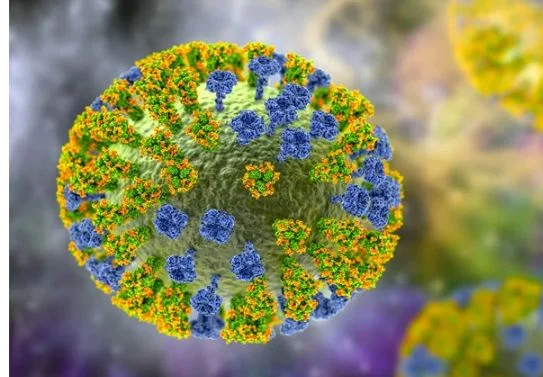
Researchers used an AI-based system to design new bacteriophages, viruses that specifically infect bacteria and can sometimes destroy them. The technology could eventually contribute to the development of new approaches for tackling bacteria that are difficult to treat with existing methods.
What Are AI-Designed Viruses?
The newly designed viruses are bacteriophages, meaning they are viruses that target bacteria rather than humans.
According to researchers, the AI-designed viruses were capable of targeting strains of E. coli that were not effectively affected by some naturally occurring viruses.
The significance of the research lies in the ability of artificial intelligence to analyze large amounts of biological information and help researchers propose new genetic designs that could be difficult to develop using conventional approaches.
If developed under strict safety standards, the technology could potentially support research into treatments for bacteria that have developed resistance to existing drugs and other therapies.
Johns Hopkins Experts Raise Warning
The development has also prompted concerns from experts associated with the Johns Hopkins Center for Health Security, including Tom Inglesby and Moritz Hanke.
The experts have warned that AI-assisted biological research is advancing rapidly, while the systems needed to monitor and regulate these capabilities are not necessarily developing at the same pace.
They said the increasing use of AI in biology could bring major scientific benefits, but without appropriate oversight, it could also create unexpected and potentially serious risks.
Rather than stopping AI-based biological research altogether, experts say stronger rules and safety procedures are needed to ensure that the technology can continue to be used for beneficial purposes while reducing opportunities for misuse.
Researchers Urged to Involve Safety Experts Early
Scientists involved in this type of research have also emphasized the importance of addressing safety and security concerns from the beginning of research projects.
Researchers working with AI in biological science have been encouraged to involve biosafety and biosecurity specialists during the early stages of projects. This could help identify potential risks before research progresses and allow appropriate safeguards to be put in place.
Experts say scientific success alone should not be the only consideration when developing AI-assisted biological technologies. Researchers must also examine potential consequences and possible avenues for misuse.
Potential for New Medical Treatments
Despite the concerns, AI-assisted bacteriophage research could open new possibilities in medical science.
The ability to develop viruses that specifically target certain bacteria could eventually become an important area of research, particularly in cases where conventional medicines have become less effective because of bacterial resistance.
However, experts stress that the potential medical benefits will depend on research being conducted under strong and carefully designed safety standards.
AI and the Future of Biological Research
Artificial intelligence is increasingly being used in areas including disease research, drug development, medical diagnostics and biological science.
The development of AI-designed bacteriophages highlights the growing potential of combining artificial intelligence with biology. Researchers may be able to use AI to analyze complex biological systems and explore possibilities that would otherwise take considerably more time.
At the same time, the development demonstrates why biosafety and biosecurity are becoming increasingly important as AI capabilities expand.
Experts argue that effective oversight, specialist consultation and updated safety regulations will be essential to ensure that advances in AI-assisted biological research are used responsibly.
The latest development therefore represents both an important scientific opportunity and a warning. AI could help researchers discover new ways to combat difficult-to-treat bacteria, but the technology must advance alongside strong safeguards designed to prevent misuse and protect biological security.