Muhammad Amanullah
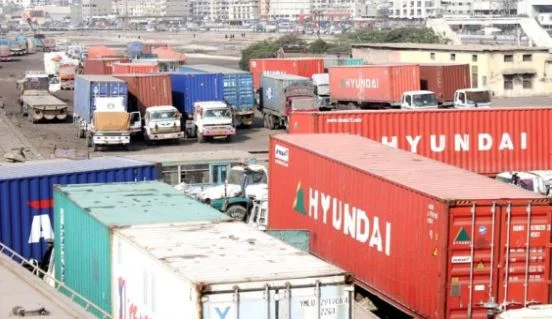
Date: September 19, 2026 The True Post (Web News) —The impact of rising petroleum prices in Pakistan is no longer limited to fuel stations, with higher fuel costs increasingly affecting the transportation of essential goods and the overall cost of doing business.
The All Pakistan Goods Transport Alliance has announced a 7 per cent increase in freight charges following a sharp rise in diesel and petrol prices. Transporters say the latest increase in fuel costs has made it increasingly difficult to continue transporting goods at existing rates. (The Express Tribune)
7% Increase in Freight Charges Announced
Alliance President Malik Shehzad Awan announced the 7 per cent increase in a video statement.
According to Awan, diesel prices have increased by Rs26.88 per litre over the past seven days, while petrol prices have risen by Rs20 per litre during the same period.
Transporters say fuel represents one of the major components of their operating costs. They argue that sudden and repeated increases in petroleum prices directly affect the cost of transporting goods, leaving operators with little choice but to revise freight rates.
The government also increased the price of diesel by another Rs3.47 per litre, taking its price to Rs424.92 per litre, according to reports published following the latest adjustment. (The Express Tribune)
Growing Pressure on Commodity Prices
The increase in freight charges could have wider implications for the prices of goods across Pakistan.
Food items, vegetables, fruits, construction materials, industrial raw materials and other products are transported between cities largely through road freight. As transportation costs rise, businesses and suppliers may pass some of the additional expenses on to consumers.
This creates the possibility that higher fuel and freight costs could contribute to additional pressure on the prices of essential commodities.
The actual impact on consumer prices, however, will depend on how much of the increased transportation cost is passed through the supply chain.
Transporters Object to Frequent Fuel Price Changes
Malik Shehzad Awan has also criticised the government’s policy of repeatedly changing petroleum prices.
Transporters argue that frequent changes make it difficult to plan operating costs because freight rates for long-distance routes are often agreed in advance, while fuel prices can change during the period in which goods are being transported.
The transporters’ alliance has previously raised similar concerns over frequent fuel-price adjustments and warned that continued increases could make the sector financially difficult to sustain. (Business Recorder)
Demand for Relief from Government
The goods transport alliance has demanded relief from the federal government, including subsidies and reductions or relief in toll taxes, withholding tax and other levies.
Transporters say that if fuel prices continue to rise while tolls and other operating costs remain unchanged, maintaining existing freight rates becomes increasingly difficult.
The alliance has argued that government support is necessary to prevent the rising cost of transportation from putting additional pressure on businesses and the wider supply chain. (The Express Tribune)
Earlier Agreements Remain a Major Issue
Transporters have also renewed their demand for implementation of agreements reached with federal and provincial governments following the nationwide strike held in August.
Goods transporters launched a nationwide strike on August 8, 2026, citing rising fuel costs, frequent fuel-price revisions, taxation and other regulatory concerns. The strike was later deferred following negotiations with the government. (Geo News)
According to the transporters’ alliance, the governments were given a 40-day period to implement the agreements reached with the transport sector. The deadline is due to expire next week, according to statements by the alliance. (The Express Tribune)
Nationwide Strike Warning
Transporters have warned that if the agreed measures are not implemented within the given timeframe and the sector does not receive the requested relief, they could launch another nationwide strike.
Such a development could affect Pakistan’s supply chain because goods transportation is essential for moving industrial raw materials, agricultural products, food supplies and other commodities between different parts of the country.
A prolonged disruption could therefore create difficulties for businesses and markets while potentially increasing transportation-related costs.
Who Will Ultimately Bear the Cost?
The latest increase raises a broader question about where the additional cost created by higher fuel prices will ultimately fall.
Transporters are increasing freight charges to cover their higher operating expenses, while businesses and suppliers may incorporate increased transportation costs into the prices of their products.
This could eventually place additional pressure on consumers if higher logistics costs are passed through to retail prices.
At the same time, the government faces the challenge of balancing petroleum prices, tax revenues, transport-sector costs and the potential impact of higher prices on consumers.
A Critical Week Ahead
The coming week could prove important for relations between the government and goods transporters.
If progress is made on the agreements reached earlier and transporters receive relief on taxes, tolls or other costs, the possibility of another nationwide strike could be reduced.
However, if negotiations fail to produce results, the combination of higher freight charges and a potential strike could create further pressure on the country’s supply chain and commodity prices.
The latest 7 per cent freight increase therefore extends beyond the transport sector. Rising petroleum prices are now affecting logistics costs, with potential consequences for businesses, supply chains, essential commodities and ultimately household budgets across Pakistan. (The Express Tribune)