Muhammad Amanullah
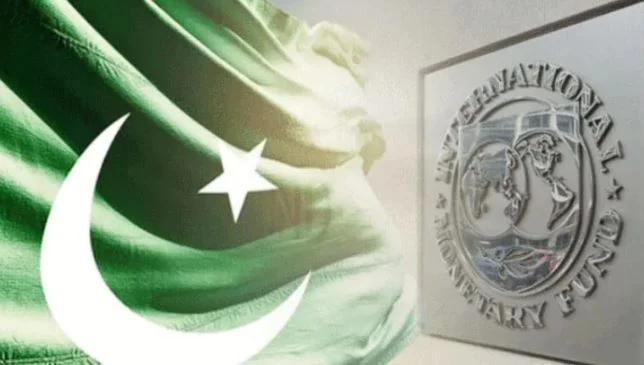
Date: October 6, 2026 The True Post (Web News) —The International Monetary Fund (IMF) is considering lowering the spending target set for Pakistan’s provincial governments in the health and education sectors. The current target is more than Rs4.2 trillion, and a proposal is under consideration to reduce it to approximately Rs3.9 trillion.
Provincial Financial Pressure
According to sources, provincial governments are facing severe financial pressure, making it difficult to achieve the prescribed spending target for health and education during the current fiscal year as well. Last fiscal year, the combined spending by all four provinces on these two sectors was approximately Rs370 billion below the target set by the IMF.
Condition Not Met
Federal Finance Secretary Imdadullah Bosal told a parliamentary committee last month that the IMF condition relating to health and education spending had continuously not been met during the current programme.
$7 Billion Programme
Under the $7 billion loan programme, provincial governments are required to spend more than Rs4.2 trillion collectively on health and education. However, the total amount allocated for these sectors in provincial budgets for the current fiscal year is approximately Rs500 billion below the IMF’s prescribed target.
Revised Target
According to sources, even if the IMF lowers the health and education spending target to Rs3.9 trillion, there would still be a gap of approximately Rs200 billion between the allocations in provincial budgets and the revised target.
Negotiations in Final Stage
Negotiations between the IMF and Pakistani authorities have now entered their final stage. Both sides are currently discussing the finalization of the draft Memorandum of Economic and Financial Policies (MEFP).
Next Loan Tranche
If a staff-level agreement is reached, Pakistan is expected to receive $1 billion under the $7 billion programme. The country may also receive additional financing of more than $200 million under the climate financing facility.
Indication of Stricter Condition
According to sources, at one stage the IMF had indicated that it could make the condition regarding health and education spending stricter and turn it into a quantitative performance criterion. In such a situation, failure to meet the prescribed criterion would require Pakistan to obtain a formal waiver from the IMF Executive Board.
Punjab and Sindh’s Position
Sources said Sindh and Punjab informed the IMF that their provincial budgets were already under severe financial pressure, making it difficult to further increase spending on health and education.
Khyber Pakhtunkhwa’s Assurance
Khyber Pakhtunkhwa has so far not promised the federal government a cash grant. However, the provincial government has assured authorities that it will meet the prescribed targets for health and education spending.
FBR Revenues
According to Finance Secretary Imdadullah Bosal, the federal government had asked the provinces to limit their expenditures because the Federal Board of Revenue’s tax collection targets were not being met. As a result, the prescribed spending target for health and education was also affected.
Provincial Budgets
For the current fiscal year, Punjab has allocated approximately Rs3.1 trillion for health and education out of its total provincial budget of Rs9.5 trillion. Sindh has allocated approximately Rs1.1 trillion collectively for the two sectors.
Khyber Pakhtunkhwa has allocated more than Rs800 billion for health and education, while Balochistan’s budget includes Rs268 billion for the two sectors.
Important Stage
The issue of health and education spending has become an important part of the ongoing negotiations between the IMF and Pakistan. A possible reduction in the target could ease some of the financial pressure on provincial governments. However, a significant gap is still expected to remain between existing budget allocations and the new potential target.