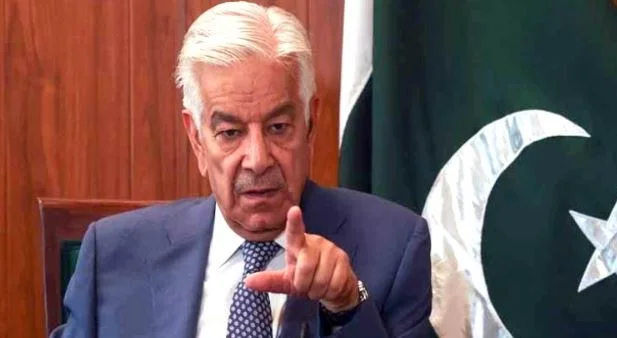
Pakistan’s Defence Minister Khawaja Muhammad Asif has described certain overseas-based YouTubers as the biggest enemies of Pakistan Tehreek-e-Insaf (PTI), accusing them of earning money while living safely abroad as party leaders and workers in Pakistan bear the consequences of their provocative social media content.
In a statement posted on the social media platform X, Asif strongly criticized YouTubers who support PTI while residing outside Pakistan. He alleged that these commentators were making money in the relative safety of foreign countries, while the consequences of their statements and online posts were being faced by PTI leaders and supporters at home.
The defence minister said he had rarely seen a situation in which people claiming to support a political leader used that leader’s difficulties and hardships as an opportunity to earn dollars.
Allegations of Profiting From PTI’s Political Struggles
Asif alleged that the overseas YouTubers had benefited financially during PTI’s time in government and continued to earn money even after the party lost power.
Criticizing their activities, he suggested that these commentators had enjoyed considerable financial success when PTI was in office but were continuing to profit from the party’s political difficulties.
According to the minister, some overseas content creators were turning PTI’s political circumstances and challenges into a source of income, while the party and its supporters inside Pakistan faced the repercussions.
His remarks focused on what he portrayed as a gap between the financial benefits enjoyed by overseas commentators and the political risks faced by people associated with the party in Pakistan.
Khawaja Asif Criticizes Overseas PTI Supporters
The defence minister further alleged that overseas YouTubers had harmed PTI and contributed to the difficulties the party was currently facing.
His criticism centred on the responsibility of social media commentators and online political supporters to consider the potential consequences of their statements and content.
Asif argued that political messaging produced outside the country could have consequences for party leaders and workers living in Pakistan, even when those creating the content remained beyond the country’s borders.
He also accused some overseas commentators of placing financial interests ahead of the political cause they publicly claimed to support.
However, his statement did not identify any specific YouTuber by name or provide details of individual earnings, financial records or particular incidents to substantiate the allegations.
Debate Over Political Commentary on Social Media
Asif’s remarks come amid ongoing political debate in Pakistan over the role of social media commentators, particularly those living abroad who publicly support PTI or criticize the government.
Online political commentary has become an important part of the country’s political discourse, with YouTubers and other digital creators reaching audiences both inside Pakistan and overseas.
The minister’s statement raises questions about the responsibilities of political content creators, the financial incentives associated with online commentary and the potential consequences of political messaging for supporters within the country.
His claims, however, remain allegations expressed in a political statement and should not be treated as independently established facts without supporting evidence or responses from the individuals concerned.