Muhammad Aman Ullah
July 29, 2026
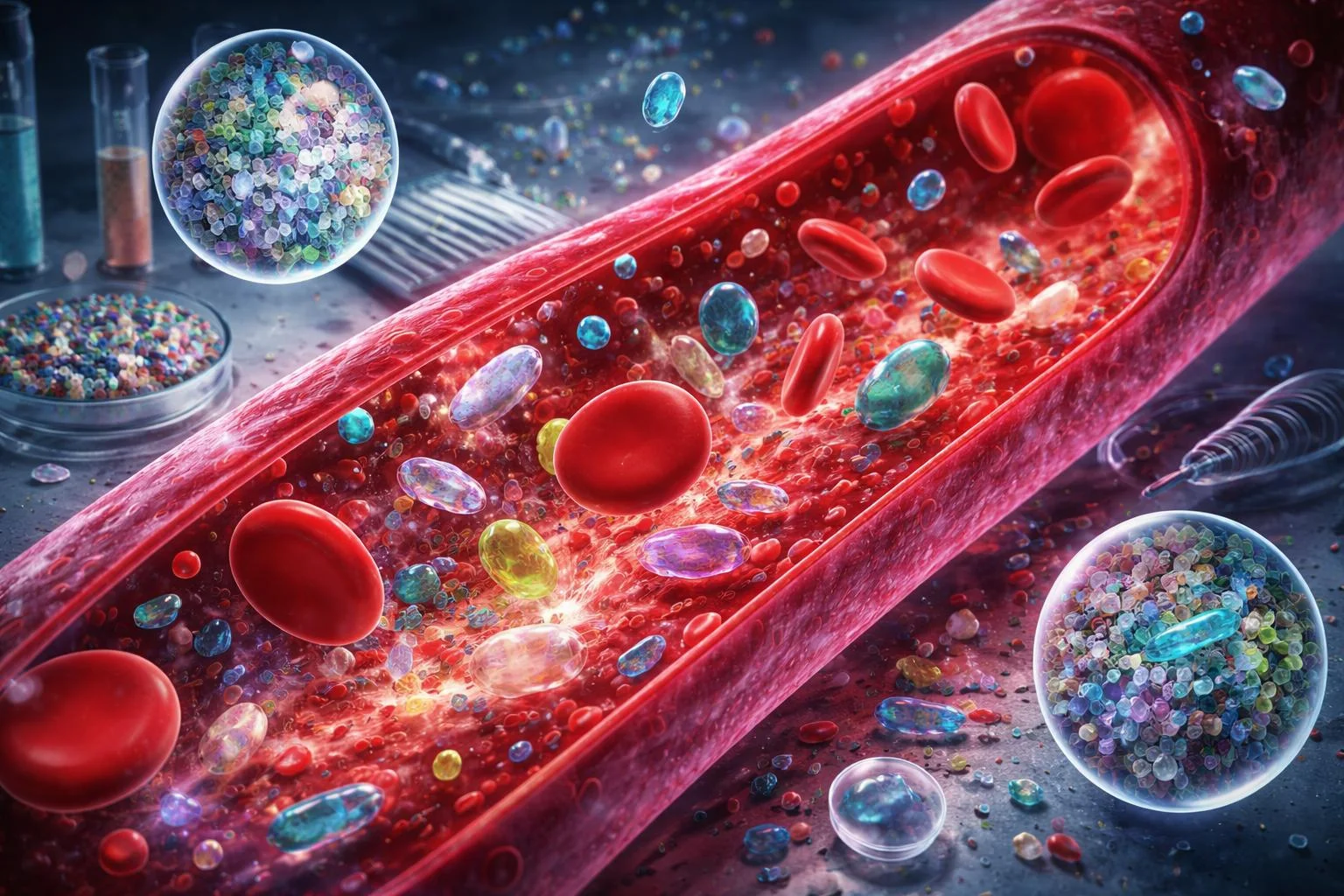
The True Post | Health News: A new study conducted by researchers at Italy’s Sapienza University has raised fresh concerns about the impact of microplastics on human health. According to the research, microscopic plastic particles can enter the bloodstream, accumulate in the arteries, and may increase the risk of heart attacks, strokes, and other serious cardiovascular conditions.
Scientists explained that these tiny plastic particles enter the human body through contaminated food, drinking water, and polluted air. Once inside the bloodstream, they can travel to different organs, including the heart, where they may contribute to inflammation and damage.
Equivalent of a Credit Card’s Worth of Plastic Every Week
Researchers noted that previous estimates suggest the average person may unknowingly ingest or inhale the equivalent of a credit card’s worth of plastic each week. While the exact amount varies depending on lifestyle, diet, and environmental exposure, the widespread presence of microplastics has become a growing global health concern.
Because these particles are too small to be seen with the naked eye, many people remain unaware of their potential long-term health effects.
Study Examined Patients Undergoing Angiography
The research involved three groups of people undergoing angiography:
- Patients who had suffered a heart attack
- Individuals with narrowed coronary arteries
- Apparently healthy participants
Using advanced laboratory techniques, scientists analyzed arterial tissue to detect and measure the presence of microplastic particles.
Highest Levels Found in Heart Attack Patients
The findings were striking:
- 84% of heart attack patients had microplastics in their arteries.
- 40% of patients with narrowed arteries also showed microplastic accumulation.
- 32% of otherwise healthy individuals were found to have the particles as well.
Researchers reported that polyethylene, one of the world’s most commonly used plastics found in shopping bags and packaging materials, was the most frequently detected type.
Possible Link to Heart Attacks and Stroke
According to the researchers, microplastics may trigger inflammation inside blood vessels, contribute to plaque instability, and interfere with normal blood flow. These changes could increase the likelihood of:
- Heart attacks
- Stroke
- Blocked arteries
- In severe cases, sudden cardiac death
However, scientists emphasized that while the study demonstrates a significant association, it does not conclusively prove that microplastics directly cause cardiovascular disease. Further long-term research is needed.
Smoking and Air Pollution May Worsen the Risk
The study also suggests that smoking and prolonged exposure to polluted air may increase the amount of microplastics entering the body, potentially raising cardiovascular risks even further.
Experts Recommend Reducing Plastic Exposure
Health experts recommend several practical steps to reduce exposure:
- Limit the use of single-use plastics whenever possible.
- Drink clean, filtered water.
- Reduce exposure to polluted environments.
- Avoid smoking.
- Maintain a heart-healthy lifestyle with a balanced diet and regular exercise.
A Growing Public Health Challenge
Researchers say the findings reinforce that microplastics are no longer just an environmental issue—they are emerging as a significant public health concern. They are urging governments, industries, and individuals to work together to reduce plastic pollution and better understand its long-term effects on human health.
Editor’s Note: The study identifies a strong association between microplastics and cardiovascular disease, but additional research is needed to establish a direct cause-and-effect relationship.