Muhammad Amanullah | The True Post
Date: October 29, 2026
A Toronto family has donated $35 million to University Health Network (UHN) to establish a new institute dedicated to organ transplantation, medical research and improving outcomes for patients who need life-saving transplants.
The donation from the Ajmera family is being described as a landmark contribution to transplant medicine in Canada. The new Ajmera Transplant Institute will bring together transplant specialists, researchers and medical innovators to improve treatment before and after transplantation and advance research into new approaches to patient care.
According to UHN Foundation, the need for organ transplants continues to grow, making investment in research and clinical innovation increasingly important. The foundation says the Ajmera family’s contribution will support efforts to improve treatment and help more patients benefit from transplantation.
Julie Quenneville, chief executive officer of UHN Foundation, said members of the Ajmera family have personal experience with transplantation and have received care at the institution. Their experiences helped inspire the family to support initiatives that could create lasting improvements in transplant medicine.
With the latest contribution, the Ajmera family’s total donations to University Health Network have reached $62 million.
New Ajmera Transplant Institute to Advance Patient Care
The new Ajmera Transplant Institute will operate under University Health Network in Toronto. It is intended to bring together expertise from different areas of transplantation, helping clinicians and researchers work more closely on improving patient outcomes.
Its priorities will include refining existing transplant procedures, developing new medical techniques and expanding treatment possibilities for patients who depend on donated organs.
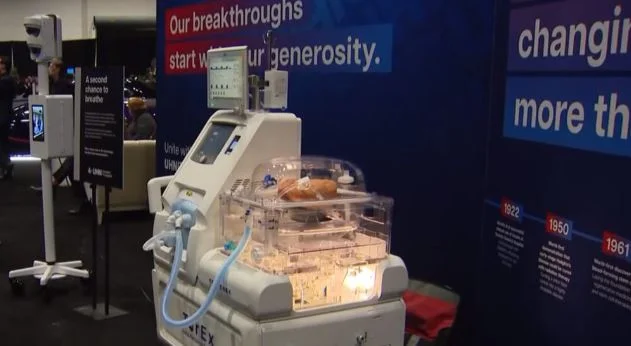
The institute is also expected to build on UHN’s established experience in transplant medicine. According to the supplied report, the network performed a record 820 organ transplants during 2025–2026, including lung transplants.
The new centre aims to strengthen this expertise and support further advances in transplantation, although its eventual impact will depend on research progress, clinical implementation and the availability of donated organs.
Research Could Reduce Reliance on Long-Term Medication
One of the important areas of transplant research involves finding ways to reduce patients’ dependence on immunosuppressive medications.
After receiving a transplanted organ, patients generally need medicines that suppress the immune system to prevent their bodies from rejecting the donated organ. Although these drugs are essential for many transplant recipients, long-term use can cause side effects and increase the risk of certain complications.
UHN Foundation CEO Julie Quenneville said researchers are exploring approaches that could eventually reduce the need for lifelong immunosuppression in some patients.
Another research priority is finding ways to make more donated organs suitable for transplantation. Improving the usability of donated organs could expand treatment options and help more people receive transplants.
UHN has a significant history in transplant medicine, including pioneering lung transplantation procedures. Continued research is intended to build on that experience and improve survival and recovery for patients.
Doug Ford Highlights the Importance of Medical Research
Ontario Premier Doug Ford attended the donation announcement on Wednesday alongside healthcare leaders.
In a written statement, Ford said the new institute would bring leading experts together to advance medical research and develop innovative techniques.
He also highlighted UHN’s ambition to reach 1,000 life-saving organ transplants annually. The institute is expected to support that broader goal by strengthening research, clinical expertise and transplant care.
The announcement reflects the importance of continued investment in specialised medical facilities as healthcare institutions work to respond to growing demand for complex treatments.
UHN Foundation Launches $100 Million Fundraising Campaign
Alongside the Ajmera family’s donation, UHN Foundation announced a wider fundraising campaign with a target of $100 million to advance transplant medicine, research and treatment.
The campaign is intended to support discoveries and innovative approaches that could benefit patients in Canada and internationally.
Adam Halpern of Halpern Enterprises said the initiative would also help raise public awareness of University Health Network’s work and encourage more people to support its mission.
He noted that many people only fully appreciate the importance of specialised healthcare services when they or someone close to them faces a serious medical condition. Raising awareness earlier, he said, could encourage broader public participation in supporting medical research and patient care.
Toronto Aims to Strengthen Its Global Transplant Leadership
The Ajmera family’s $35 million donation represents a major investment in Toronto’s transplant research and healthcare infrastructure.
Through the new institute and the broader fundraising campaign, University Health Network aims to advance medical discoveries, improve treatment outcomes and expand the possibilities available to patients awaiting organ transplants.
The long-term success of these efforts will depend on continued research, clinical innovation, funding and the availability of donated organs. For patients and their families, the central goal is to improve access to life-saving treatment and achieve better outcomes after transplantation.