A young cancer patient in Ontario has spent nearly three years fighting not only a life-threatening illness but also a challenging healthcare approval process to access potentially life-extending treatment.
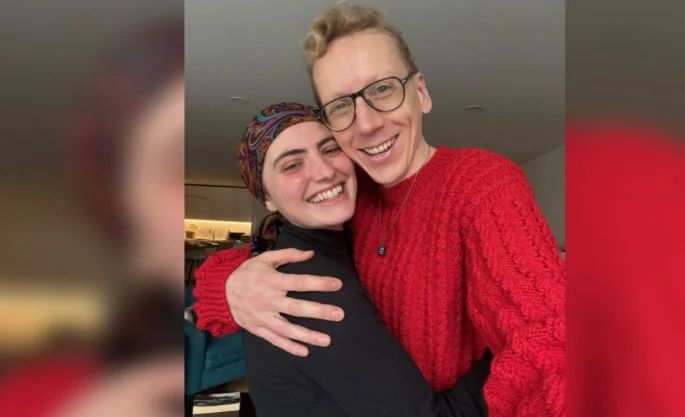
Sabrina Aptz Grossman was diagnosed with cancer at the age of 28. Her struggle became even more complicated after the disease returned and spread to her lungs. Despite medical recommendations for an advanced therapy, the Ontario government rejected her request for financial assistance to receive the treatment in the United States.
Grossman said she initially believed that the pain in her knee was caused by a muscle injury. However, medical examinations revealed that she had cancer.
She recalled that she was just 28, felt healthy and happy, and never expected her life to change so dramatically.
According to Grossman, the past three years have involved two separate battles: fighting cancer and struggling to obtain access to the treatment she needs.
Patient Seeks Access to Treatment Available in the United States
Grossman’s medical team recommended a specialized treatment available in the United States. Reviews conducted by Ontario Health specialists also reportedly identified the therapy as an appropriate option.
According to government documents, one official wrote that trying the alternative treatment was worth considering. An email also indicated that both clinical expert reviews supported the proposed therapy.
However, a few weeks later, Grossman received an official letter from the provincial Ministry of Health informing her that her funding request had been rejected.
She said that the specialists involved in reviewing her case had expressed support for the treatment, yet she remained unable to access it.
Grossman questioned why medical experts could recognize the potential value of a treatment while the healthcare system continued to prevent her from receiving it.
Specialized Tecelra Therapy Costs US$727,000
The treatment Grossman is seeking is called Tecelra, an advanced personalized cancer therapy developed using a patient’s own T-cells.
T-cells are a type of white blood cell that plays an important role in the body’s immune system. The specialized treatment is designed to help these immune cells recognize and attack cancer cells.
According to her oncologist, approximately half of patients in situations similar to Grossman’s experience a positive response to the treatment.
Among patients who respond to the therapy, reported survival rates stand at approximately 90 per cent after one year and 70 per cent after two years.
However, the treatment comes with a price tag of approximately US$727,000, making it extremely difficult for Grossman to afford privately.
She is therefore seeking financial coverage from the Ontario government to receive the treatment outside Canada.
Cancer Treatment Dispute Reaches Ontario Legislature
Grossman’s case reached the Ontario Legislature on Thursday, where MPP Robin Lennox accused the Health Minister of providing misleading information about the treatment approval process.
The Speaker ordered Lennox to leave the chamber after the MPP refused to withdraw the allegation against the Health Minister.
Lennox argued that Grossman qualifies for the treatment and meets the requirements of the province’s out-of-country medical treatment coverage program.
The MPP also claimed that written government documents contradicted the Health Minister’s position regarding the recommendations made by medical experts.
Liberal health critic Adil Shamji also expressed concern, arguing that continued delays in the decision-making process were costing patients like Grossman valuable time.
Health Minister Jones, meanwhile, defended the government’s position on Thursday, stating that treatment approval decisions are never made on political grounds but are based on expert assessments and recommendations.
Patient Plans Legal Action After Funding Appeal Rejected
After the Ontario Health Services Appeal and Review Board rejected her appeal, Grossman decided to take the matter to court.
Given the seriousness of her medical condition, the legal proceedings have reportedly been expedited, with a hearing expected within the coming weeks.
Grossman says she wants the opportunity to live many more years. She hopes to celebrate her 40th and 50th birthdays and perhaps even reach the age of 90.
Her case has sparked renewed debate in Ontario over access to expensive and advanced cancer treatments, government funding decisions and the challenges patients face when medical specialists support a treatment but public funding is denied.
For Grossman, however, the issue is much more personal. She is fighting for access to a treatment that could give her more time and another chance at the future she hopes to experience.