Muhammad Irfan Ullah
Publication Date:
July 31, 2026
THE TRUE POST (Web News) – The Government of Pakistan has decided to begin the gradual deregulation of the petroleum sector, marking a significant shift away from the current controlled fuel pricing system toward a more market-driven model.
Officials say the proposed reforms aim to increase competition, improve pricing transparency, strengthen supply chains, and ultimately provide better services for consumers.
Proposal to Let the Market Play a Greater Role
According to official sources, the reform package includes reducing the High-Speed Diesel (HSD) crack spread from the current US$70 per barrel to between US$35 and US$40 per barrel.
Authorities believe the adjustment would make fuel pricing more transparent and allow changes in international oil markets to be reflected more accurately in domestic prices.
Fewer Oil Depot Points Recommended
As part of broader IFEM (Inland Freight Equalization Margin) reforms, the government is also considering reducing the number of petroleum depot points across the country.
The proposal recommends cutting the existing 22 depot points to 11, a move officials say would streamline logistics, lower transportation costs, and improve the efficiency of Pakistan’s fuel distribution network.
Government Says Consumers Will Benefit
Government officials argue that Pakistan’s experience shows deregulation can benefit consumers when supported by healthy market competition.
They pointed to High Octane Blending Component (HOBC) fuel, whose pricing is already deregulated, allowing oil marketing companies to compete on both pricing and service quality.
According to officials, greater competition could provide consumers with more choices, improved services, and fairer pricing.
Telecom Sector Cited as a Successful Example
Officials also referenced Pakistan’s telecommunications sector, where liberalization replaced strict government price controls with market competition.
They said those reforms led to lower prices, better service quality, increased investment, and faster adoption of new technologies.
The government believes similar reforms could deliver long-term benefits in the petroleum sector.
Prime Minister’s Committee Reviews Reforms
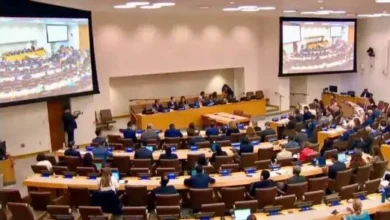
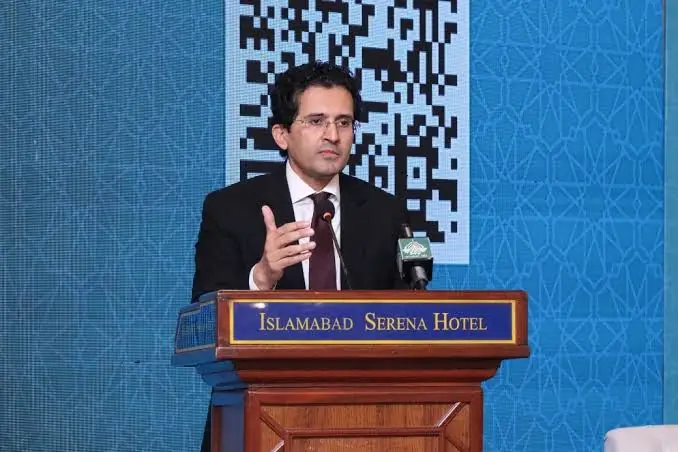
The fifth meeting of the Prime Minister’s committee on petroleum pricing reforms was chaired by Federal Minister for Petroleum Ali Pervaiz Malik.
During the meeting, participants agreed in principle on a phased transition from the current regulated pricing model to a deregulated market-based system.
Various subcommittees also presented recommendations covering fuel pricing, market structure, and regulatory reforms.
Measures to Improve Transparency
Officials said an international comparison of petroleum pricing and taxation systems prepared by KPMG was also presented during the meeting.
Participants welcomed proposals aimed at improving transparency, reducing unnecessary price volatility, and reviewing daily pricing mechanisms.
Authorities further announced that OGRA has activated a digital dashboard on its website where the public will be able to access daily petroleum prices, pricing formulas, and related market data.
Push for Digital Fuel Supply Chain
Petroleum Minister Ali Pervaiz Malik emphasized that oil marketing companies should be required to fully digitize the petroleum supply chain.
He said digital systems would improve transparency, traceability, operational efficiency, and accountability throughout the industry.
Review of Market Competition and Tax Policy
The committee also reviewed restrictions on licensing new oil marketing companies and discussed measures to encourage greater competition and investment in the sector.
Participants agreed that the existing IFEM pool mechanism requires further review.
The meeting also examined the issue of a potential windfall tax, with the Ministry of Finance, the Federal Board of Revenue (FBR), and the Petroleum Division expected to submit recommendations at a future session after further consultations.
Senior government officials, including National Coordinator NCMC Lieutenant General Zafar Iqbal and Minister of State for Finance Bilal Azhar Kayani, also attended the meeting.