Baasma Wafa | August 27, 2026
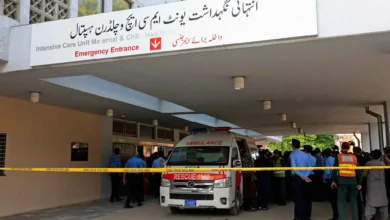
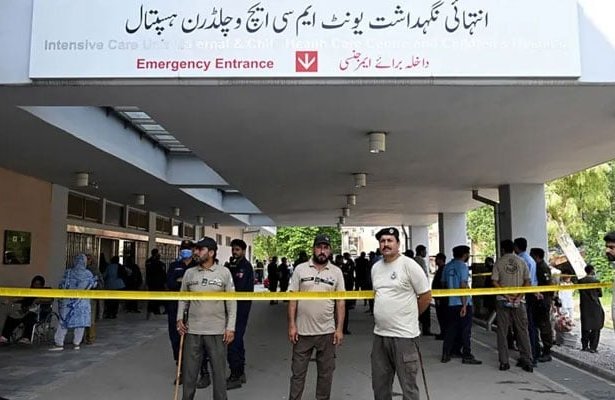
The True Post (Web News) The deaths of 14 newborns in the PIMS hospital fire have left Pakistan facing a question that goes beyond the cause of the blaze. Who was responsible for making sure such a tragedy did not happen in the first place?
A fire may start because of an electrical fault. However, the scale of a disaster inside a hospital depends greatly on how prepared the institution is for an emergency.
At PIMS, questions now surround the fire safety arrangements, emergency exits, location of the neonatal nursery and the ability of staff to evacuate critically ill newborns. Lawmakers have also questioned the initial explanation that an electrical spark caused the fire. They have raised concerns about whether the nursery was suitable for vulnerable babies.
What Happened After the Fire?
Senior management and government officials have responded with condolences, promises of an investigation and assurances of accountability.
Prime Minister Shehbaz Sharif ordered an inquiry and suspended the federal health secretary. Health Minister Mustafa Kamal also said that officials responsible for negligence would face consequences, including himself if necessary.
But accountability cannot begin only after lives have been lost.
One of the most troubling parts of the incident is the difference between the official account and statements from families and witnesses.
PIMS says its emergency exits were operational and that staff responded quickly when the fire started. Some witnesses have given a different account. They have described locked doors, problems reaching the nursery and desperate attempts to escape through windows.
These conflicting accounts need clear answers. An independent investigation should establish exactly what happened inside the hospital.
Questions About Fire Safety
Senior management must also answer questions about the hospital’s preparedness.
According to the health minister, the affected nursery did not have a sprinkler system. That raises serious concerns because neonatal units care for some of the most vulnerable patients in a hospital.
Newborns cannot walk out of a burning building. Many depend on medical equipment and constant attention from staff. Even a short delay during an emergency can have devastating consequences.
This is why questions about inspections, maintenance and safety standards matter. Someone was responsible for checking whether the nursery had adequate protection. Someone was also responsible for addressing any problems found during those checks.
Accountability Should Go Beyond One Official
There is a risk that the entire discussion will focus on finding one person to blame.
Suspending an official may respond to public anger, but it does not necessarily fix the system. A proper investigation should examine the entire chain of responsibility.
Who inspected the facility? Were safety concerns reported before the fire? Did hospital management know about any problems? Were emergency drills conducted? Did staff receive proper training?
These questions matter more than simply identifying one person who can carry the blame.
A Wider Problem in Healthcare
The PIMS tragedy also highlights a wider weakness in Pakistan’s public healthcare system.
Emergency preparedness cannot be treated as paperwork or a routine administrative requirement. Hospitals care for people who may not be able to move, speak or protect themselves during a crisis.
That responsibility becomes even greater inside a neonatal unit.
A hospital can face an unexpected fire, power failure or other emergency at any time. Management cannot prevent every incident, but it can prepare for what happens when one occurs.
What Families Deserve
The strongest response from senior management now would not be another press conference. It would be transparency.
Families deserve clear answers about what happened inside the ward. They deserve to know how quickly staff raised the alarm, how the evacuation unfolded and whether the hospital had adequate firefighting equipment.
Most importantly, they deserve to know why 14 newborns could not be rescued.
The government has promised an investigation. However, the real test will come after the headlines disappear.
If the inquiry produces only suspensions and another set of promises, the tragedy could become another moment of public anger that eventually fades from attention.
If investigators identify institutional failures and authorities fix them, the tragedy could lead to meaningful reform.
For the families who lost their children, no administrative action can undo what happened. Their demand is simple. They want the truth.
They also deserve to know who was responsible for protecting their children when they could not protect them themselves.